A kitchen remodel is one of those projects that feels exciting at first glance as you consider colors, textures, and materials to refresh the space. Yet, it can quickly become a difficult process if the main design elements aren’t clearly defined and balanced from the start.
For homeowners who want to create a kitchen that looks well-planned and effortlessly beautiful, there are exactly four key design elements that make all the difference. Let’s take a closer look at what they are and how each one helps shape a space that feels polished, inviting and visually complete.
Cabinetry and Storage Design
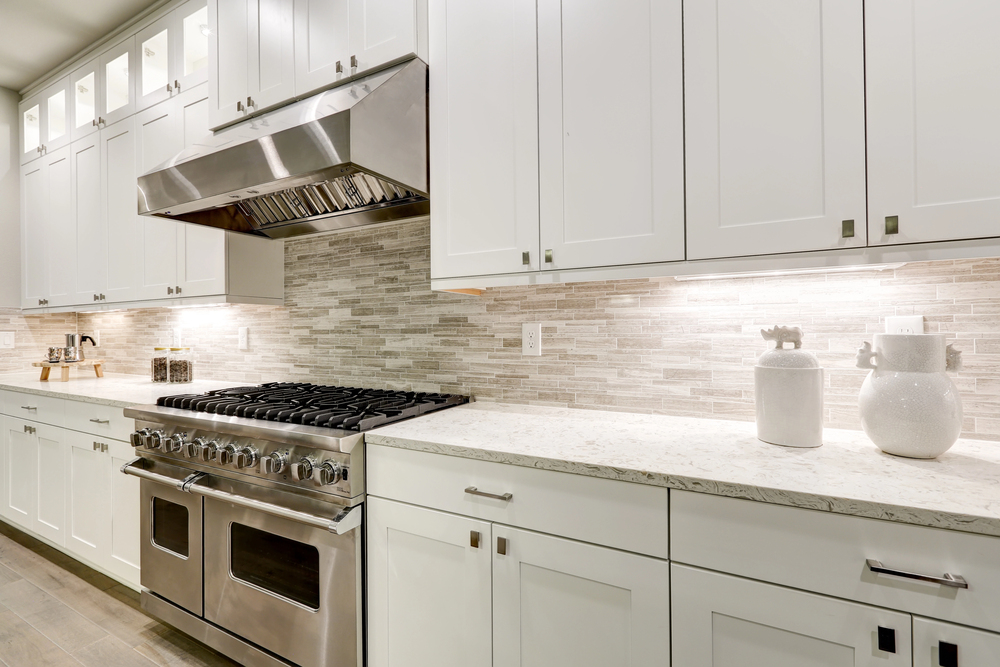
Without doubt, cabinetry is the element that sets the visual foundation for the entire kitchen and determines how every other detail will come together. Cabinets take up the most visual space in the room and shape the color balance, material contrast, and overall sense of proportion. They also play a major role in creating an efficient kitchen design, since the right cabinet placement can improve storage, workflow, and everyday functionality.
Throughout the US, different regional traditions influence the design and craftsmanship of custom-made kitchen cabinets. Some of the most popular options include:
- Mission-style craftsmanship, which defines the custom cabinets made in Galena, IL; they feature sturdy oak frames and simple detailing that match the town’s historic Midwestern homes.
- Shaker-style designs, as seen in custom cabinets in Lewisburg, PA, where clean lines and balanced proportions reflect the area’s Colonial and farmhouse heritage.
- Raised-panel cabinetry, which epitomizes the custom cabinets built in Franklin, TN, with warm finishes and decorative molding that complement the region’s classic Southern interiors.
To create a kitchen that feels cohesive and timeless, it is essential to find the cabinetry style that complements your home’s architecture and personal sense of design.
Countertops and Work Surfaces
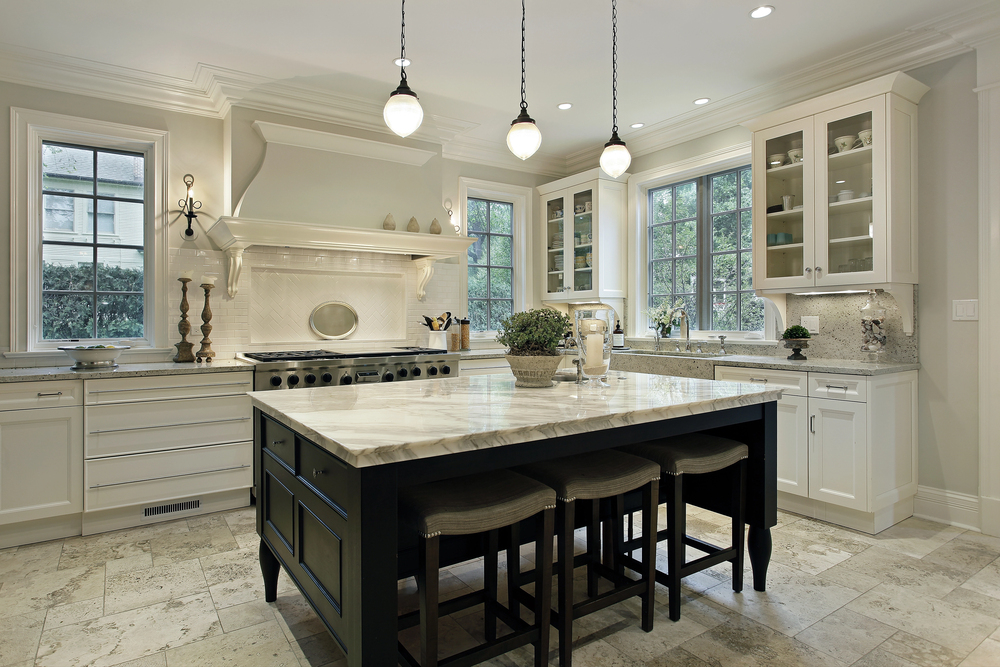
In addition to cabinetry, the countertops and work surfaces are another major visual feature in any kitchen remodel. These elements set the overall tone of the design and influence how color, light and texture interact throughout the space.
Some of the most popular countertop options include:
- Granite countertops, valued for their natural variation, durability, and timeless appearance that adds elegance to both traditional and modern kitchens.
- Quartz countertops, admired for their uniform color, low maintenance, and stain resistance, making them a reliable choice for busy households.
- Marble countertops, known for their luxurious veining and cool touch, often used to introduce a refined, classic element to the kitchen.
Each of these materials offers its own design character and performance benefits, so choosing the right one depends on how you want your kitchen to look, feel and function every day.
Backsplash and Wall Finishes
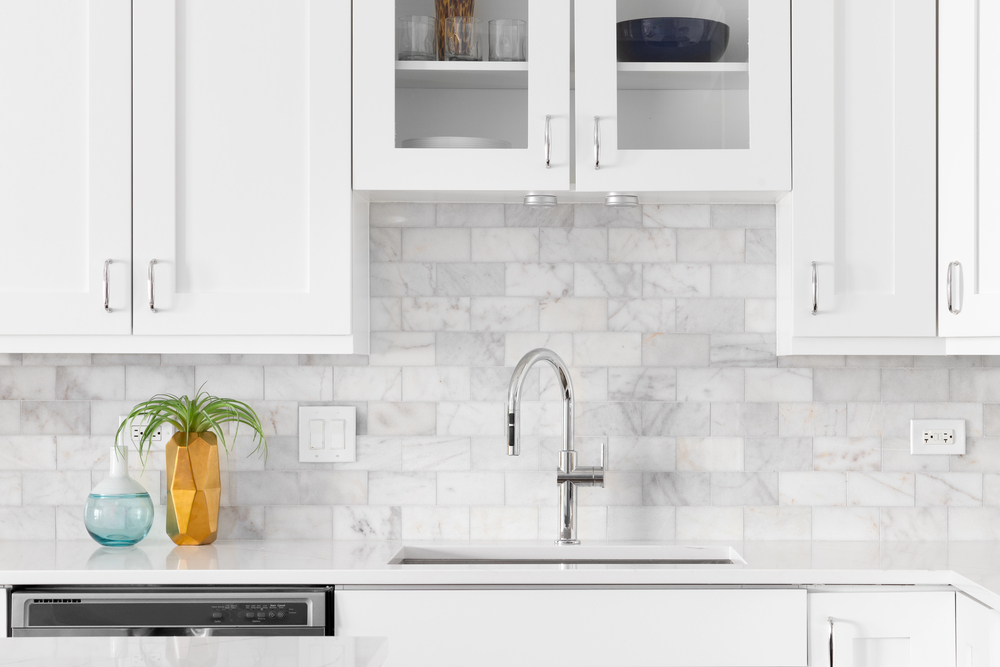
Given that the backsplash and wall finishes sit between major focal points like the cabinets and countertops, it is only natural that they play a key role in tying the entire kitchen design together.
When selecting these surfaces, it is important you consider how their color, texture and pattern interact with the surrounding materials and ensure a smooth and consistent transition.
The most common types of wall finishes used today include:
- Ceramic tile, which remains a popular choice for its durability, versatility, and wide range of styles that can complement any kitchen design.
- Glass tile, appreciated for its reflective surface that brightens the space and adds a touch of modern elegance.
- Natural stone, chosen for its organic texture and variation that brings depth and character to both contemporary and traditional interiors.
Depending on your design vision and your home’s overall style, you can choose the wall finish that best enhances the kitchen’s atmosphere and creates a balanced connection between the upper and lower sections of the space.
Lighting and Fixtures
The last key element that completes the visual composition of a kitchen is lighting and fixtures. In addition to enhancing visibility and creating ambiance, these elements also determine whether the entire space feels bright and balanced or dull and uneven.
There are several lighting options and fixture styles you can choose from, including:
- Recessed ceiling lights, which provide consistent, overall illumination and keep the focus on the kitchen’s design details.
- Pendant lights, often installed above islands or peninsulas to add both task lighting and a decorative focal point.
- Under-cabinet lighting, perfect for brightening countertops, highlighting backsplash textures, and creating a warm, layered glow throughout the space.
Once again, your best choice depends on the kind of atmosphere you want the lighting to create within your kitchen.
If your design leans modern and minimal, recessed or under-cabinet lighting will keep the look clean and streamlined, but if your kitchen has a more traditional or decorative feel, you may be better off with pendant fixtures that add warmth and visual charm.
Putting It All Together
The kitchen is the heart of the home, so your design choice should reflect how you want the space to feel and function. Cabinetry sets the tone, countertops and backsplashes build depth and texture, and lighting ties everything together with warmth and balance.
By choosing colors, materials and finishes that complement one another, you can create a kitchen that not only looks cohesive but also feels effortlessly elegant every day.