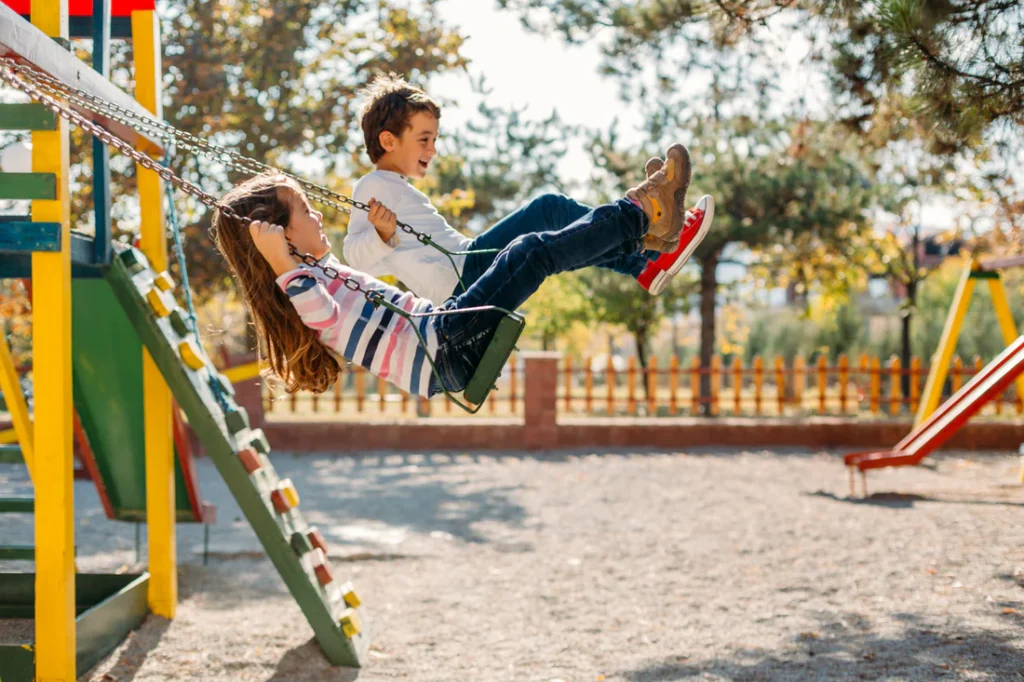
Creating an engaging outdoor space involves thoughtfully combining backyard projects like climbing structures, sensory zones, and natural features that work together to support your child’s physical and mental growth.
With the right mix of structured activities and free play areas, your backyard can become an enriching environment where children develop crucial life skills while staying active and having fun.
Through careful planning and creative design choices, you can craft an outdoor haven that grows alongside your children, fostering their independence, imagination and connection with nature.
Essential Elements for Child-Focused Landscapes
Creating engaging outdoor spaces for children involves thoughtful planning and diverse elements that spark joy and development. Sand pits, climbing structures, and shaded areas work together to form an environment where kids can thrive physically and mentally.
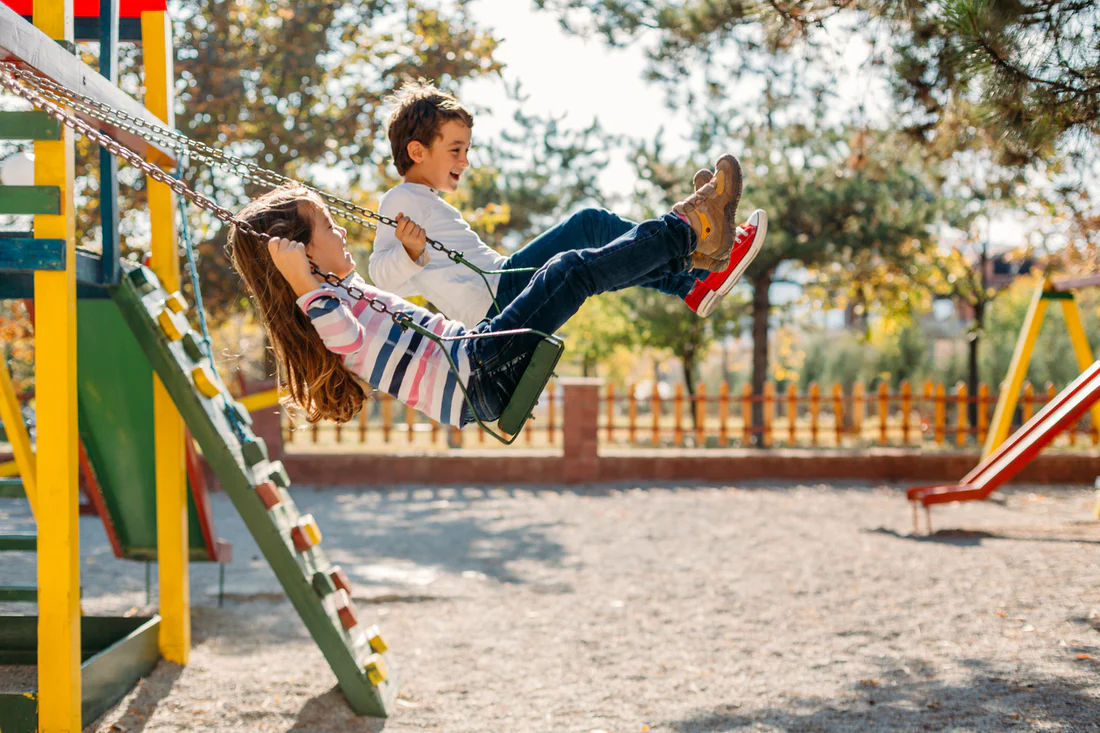
These carefully selected features encourage children to move, create, and connect with others in meaningful ways. Access to safe playground equipment is essential in supporting children’s overall well-being and growth.
A well-designed outdoor space should include these key elements:
- Dynamic climbing structures that challenge motor skills
- Sand play areas for sensory exploration
- Comfortable shaded spots for rest and social interaction
- Safe surfaces that allow for active movement
- Natural elements that stimulate imagination
The impact of outdoor play on children’s development is significant. Children who play outside show improved physical strength, happiness, and overall health.
By combining safety features with opportunities for adventure, these spaces become perfect settings for children of various ages and abilities to explore and grow. The key lies in creating a balanced environment that promotes structured activities and free play, allowing young minds to develop naturally through exploration and discovery.
Designing for Discovery and Flexibility
Creating flexible outdoor spaces lets kids explore their imagination and develop crucial life skills. Open-ended play elements allow children to shape their environment and discover new possibilities.
Whether building with natural materials or turning a space into a pretend kitchen, these unstructured activities boost problem-solving abilities and nurture independence.
Kids who spend time playing outdoors show improved health outcomes and display more positive behaviors. The magic happens when children can freely interact with their surroundings, making choices and learning from natural consequences.
Here’s what makes an outdoor space truly adaptable for growing kids:
- Movable blocks and loose parts for building and creating
- Multi-purpose areas that can transform from art spaces to reading nooks
- Adjustable garden beds at different heights for various age groups
- Portable art stations and creative materials
Creating spaces that can change alongside your child’s interests and abilities is key. Adaptable designs allow the space to grow with your family, eliminating the need for significant changes later.
Simple additions, such as mobile storage units and flexible seating options, help transform areas quickly for different activities and age groups.
Nurturing Children’s Connection with the Natural World
Creating outdoor spaces filled with natural elements sparks a child’s innate curiosity about the world around them. Kids develop a deeper bond with nature by mixing different textures, scents, and sounds through carefully picked materials like wood, stones, and plants.
This connection is backed by scientific evidence. Lisa Nisbet, PhD, a psychologist at Trent University in Ontario, Canada, explains:
“There is mounting evidence, from dozens and dozens of researchers, that nature has benefits for both physical and psychological human well-being.”
Wild gardens and butterfly patches don’t just make the space pretty; they turn your backyard into a living classroom where kids can watch insects, birds, and small animals go about their daily lives.
Let’s explore how to bring nature closer to your kids through landscape choices. Here are key elements that make outdoor spaces more engaging:
- Garden beds at child height for hands-on plant care
- Water features like small streams or splash zones
- Natural climbing elements using logs and boulders
- Butterfly gardens with native flowering plants
- Sensory paths with different ground textures
Adding wildlife-friendly features and sensory experiences helps children form meaningful connections with the environment. Simple additions like bird feeders, herb gardens, or a small pond can transform any outdoor space into an adventure zone.
These natural play areas encourage kids to slow down, observe their surroundings, and develop a lasting appreciation for the natural world—skills that will serve them well throughout their lives.
Balancing Structure with Creativity in Outdoor Spaces
Creating well-organized outdoor spaces means striking the perfect balance between structured areas and free-play zones. Space planning allows children to flow between different activities while maintaining safety and supervision seamlessly.
The key is establishing distinct zones catering to various developmental needs and play preferences. Dedicated spaces help children understand boundaries and make choices about their play activities.
Productive play helps children develop essential life skills and emotional intelligence. Here’s how to create distinct zones in your outdoor space:
- Reading nooks with comfortable seating and shade for quiet reflection
- Art stations with washable surfaces for creative expression
- Open areas for running, jumping, and group games
- Sensory zones with sand, water, or texture-rich materials
- Social spaces with small tables for collaborative activities
A balanced outdoor environment supports children’s natural inclination to explore while providing structure through thoughtfully placed elements. This approach lets kids develop independence while feeling secure in their surroundings, creating an ideal setting for growth and learning.
Encouraging Family Bonding and Community Spirit
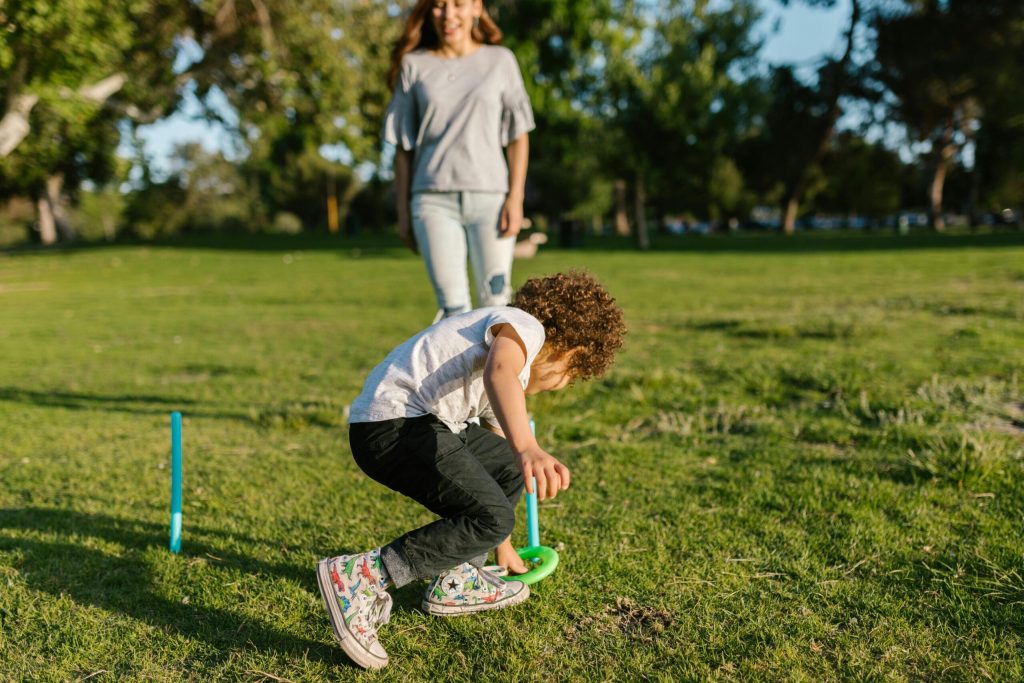
Transforming outdoor spaces into welcoming hubs for family activities creates lasting connections and meaningful experiences.
Layout choices in your backyard can turn simple gatherings into cherished traditions, while thoughtfully placed amenities make the space inviting for everyone.
Comfortable seating areas, wide pathways, and shared activity zones help bridge generational gaps and build stronger family bonds. The right mix of outdoor features can inspire frequent family interactions and neighborhood friendships.
Here’s what makes outdoor spaces perfect for bringing people together:
- Centrally located picnic areas with shade coverage for shared meals
- Smooth, well-lit paths that connect different activity zones
- Cozy conversation nooks with comfortable seating arrangements
- Multi-purpose play areas that appeal to various age groups
- Garden spaces where families can grow food together
By creating inclusive environments that cater to different abilities and interests, outdoor spaces become natural settings for strengthening family relationships.
Regular outdoor time improves communication, reduces stress, and fosters deeper emotional connections between family members. Adding social spaces like fire pits or outdoor kitchens encourages extended family gatherings and helps forge lasting memories that span generations.
Creating Childhood Memories
Creating a kid-friendly outdoor space is more than just installing playground equipment. It involves crafting an environment that nurtures growth, sparks imagination, and builds lasting family connections.
Parents can create outdoor sanctuaries that grow alongside their children through thoughtful design incorporating natural elements, flexible play zones, and safe exploration areas.
By investing time in designing these spaces, we’re not just building playgrounds – we’re laying the foundation for healthier, happier childhoods filled with discovery, wonder, and cherished family memories.