

Hallways are where family life lands first. Muddy boots from football practice. Wet umbrellas dropped against the wall. Backpacks abandoned mid-stride before anyone says hello. That narrow strip handles all of it, every day, without a break.
Getting it right matters more here than anywhere else in the house. Not for looks. For survival. The hallway is the one space in a home that never gets a quiet day.
Why Hallways Bear the Brunt of Family Traffic
Every muddy shoe lands here first. Every damp coat, every bag dropped in a hurry. Outdoor debris works into the floor surface with each step and the center strip wears faster than the edges. That worn line shows up within a couple of seasons in a busy household. Not years. Seasons.
Wet boots by the entrance, coats that drip, umbrellas that take an hour to dry. Dampness left long enough works into the padding under the carpet. Odor follows, slowly and persistently. Checking under entry mats occasionally is the kind of thing most people skip until it becomes a real problem rather than a potential one. By then, the damage is already done.
Family hallways also take the impact of growth. A toddler becomes a school-age child, who becomes a teenager with a sports kit, and the hallway absorbs every stage of that. The floor that handled one child’s traffic needs to handle three childrens’ traffic a few years later. Planning for that from the start saves money and disruption later.
Flooring Materials That Handle Moisture and Movement

Vinyl and tile are waterproof. Also cold, noisy with door traffic, and unforgiving when small children fall. Which they do, often, in hallways specifically. The missing cushioning becomes obvious within the first month.
Carpet lands differently. Footsteps soften. Sound gets absorbed. The space starts feeling like part of the home rather than a passage between rooms. Construction matters as much as material. Axminster and Wilton weaves pack tightly and resist crushing under repeated wear. Structural decisions, not decorative ones.
A good underlay beneath does two things. It buffers moisture rising from the subfloor. It also gives the carpet surface proper support so the pile recovers rather than compressing permanently over time. Wool fibres manage moisture better than many synthetic options and help the surface recover after damp foot traffic.
Dirt stays near the surface of tightly woven constructions rather than working deep into the base. Ulster Carpets gives busy family hallways a more practical carpet choice, especially where wool-rich construction, dense weave, and proper underlay all affect how the floor handles wet shoes and daily traffic.
Comparing Fiber Performance in Wet Conditions
Wool absorbs dampness without staying soggy. Dries evenly. In a hallway that gets wet several times a week through autumn, that difference becomes noticeable fast. First season, usually. It is not a marginal distinction once the weather turns.
Nylon releases moisture quickly but locks in odor from repeated getting wet. One wet winter makes that clear. Polypropylene costs less and handles stains adequately, but pile flattening in busy entrances is a complaint that comes up consistently from installers and homeowners alike. Two years of heavy use and the center strip looks obviously different from the edges. (The edges always look newer. Every time.)
Wool-rich blends hold up through seasons of door traffic and unpredictable weather. There is a reason they keep coming up in busy family homes. They look settled for longer, even when the hallway takes wet shoes, school bags and repeated traffic every day.
Maintenance Strategies That Actually Work for Busy Households
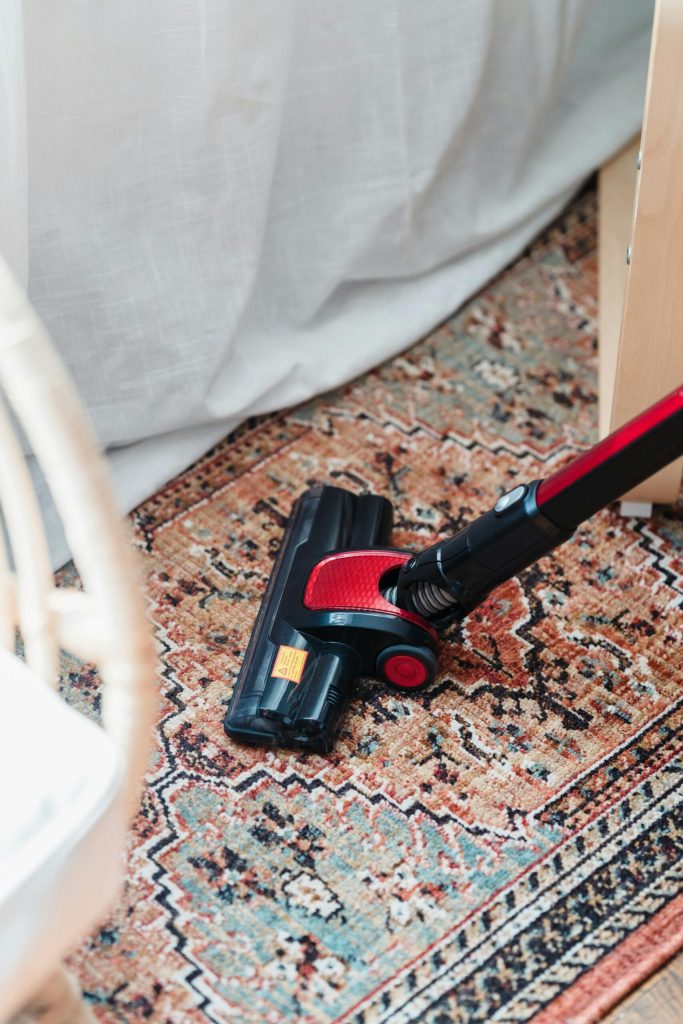
Vacuuming regularly removes dirt before it embeds. One habit, more impact than any cleaning product available. Entry mats outside and inside the door stop debris reaching the carpet in the first place. Two mats work better than one. Most households only ever use one. (The outside one, which does roughly half the job.)
Wet spots: Blot them immediately. Do not rub. Blotting pulls moisture up before it sets. Rubbing drives it deeper into the fibers. A wet patch left to dry naturally leaves a mark that develops slowly and stays longer than expected. Weeks, sometimes.
Annual professional cleaning removes particles that home vacuums never reach. It also resets the appearance of zones that have lost freshness gradually, with no single incident to blame. Moving furniture positions, shifting where mats sit, varying where people turn distributes wear across the whole floor rather than grinding the same line down year after year.
Shoe removal at the door changes the maintenance load considerably. Families who adopt it notice cleaner hallways and less frequent deep cleaning. Three weeks to become automatic for everyone in the household. Children included, eventually.
Design Choices That Hide Wear While Staying Practical
Medium-tone colors with subtle patterns hide daily dirt better than pale or plain carpets. A light grey hallway carpet looks right on installation day. By February, after three months of school runs and wet weekends, it looks like a chore. Mid-tones with pattern woven in absorb the visual impact of everyday marks without needing constant attention.
Multi-level loop pile distributes pressure across several height layers rather than concentrating it at one point. Heavy flattening along the central traffic line becomes less obvious. The carpet holds its appearance longer under regular use. Not indefinitely. Longer.
Darker shades hide spots well but show dust and lint faster. A medium-dark base with pattern that breaks up the surface visually balances both concerns. Borders or runners along the central walkway add protection right where the floor takes the most punishment, not spread evenly across an area that mostly stays clean.
Matching hallway flooring to surrounding rooms connects the space to the rest of the house. A corridor that reads as part of the home rather than a utility zone feels finished. More welcoming. Less like something everyone just moves through without noticing.
Hallway flooring does not need replacing every few years. The right material, proper installation and a good underlay can carry a busy family through years of wet shoes, school runs, pets and daily traffic without the floor looking worn out too soon. Regular care matters too. It stops dirt settling deep into the fibers and delays the kind of damage that leads to early replacement.
The hallway is the first thing visitors see and one of the last spaces the family passes through at the end of the day. Getting it right is worth the attention. Getting it wrong means dealing with the same problem every day, until replacement becomes the only option left.