Most families rarely think about their plumbing until something goes wrong. Water flows when you need it, drains carry it away without a second thought, and appliances work quietly in the background. Yet some of the most expensive home repairs often begin with small amounts of moisture that go completely unnoticed.
Water doesn’t need to flood a room to create damage. In many homes, the real problems develop gradually and out of sight. By understanding where hidden moisture begins and how it spreads, homeowners can take simple steps to protect their living spaces before minor concerns turn into major repairs.
The Problem With What You Cannot See
Water is persistent. It follows gravity, seeps into porous materials, and settles into dark areas where it can remain unnoticed for months. Unlike a burst pipe that demands immediate attention, hidden moisture issues often gives no dramatic warning.
Small drips inside wall cavities can dampen insulation and framing materials. Condensation in poorly ventilated areas can quietly saturate drywall. Even slight pipe joint failures can release enough water to weaken surrounding materials over time.
Because these issues progress slowly, families usually notice the consequences rather than the cause. Discoloration, soft flooring or a lingering damp smell may be the first clues that something deeper needs attention.
Why Moisture Matters for Family Living
Homes are more than structures. They are environments where children play, relax and spend most of their time. Persistent moisture can compromise indoor comfort in subtle ways.
Excess humidity can make rooms feel stuffy. Damp materials can create odors that are difficult to trace. Over extended periods, moisture exposure may contribute to surface deterioration, peeling finishes and warped wood.
Protecting a home from water intrusion is not just about avoiding repair bills. It’s about maintaining a healthy and comfortable living space for everyone in your household.
High Risk Areas That Deserve Attention
Certain parts of a home naturally face more exposure to moisture than others.
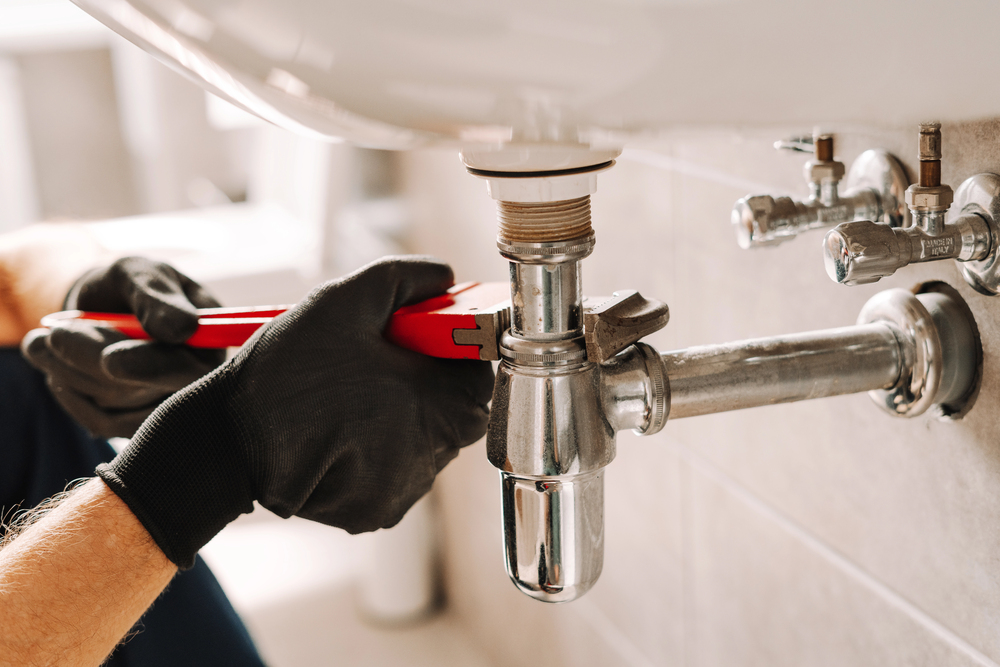
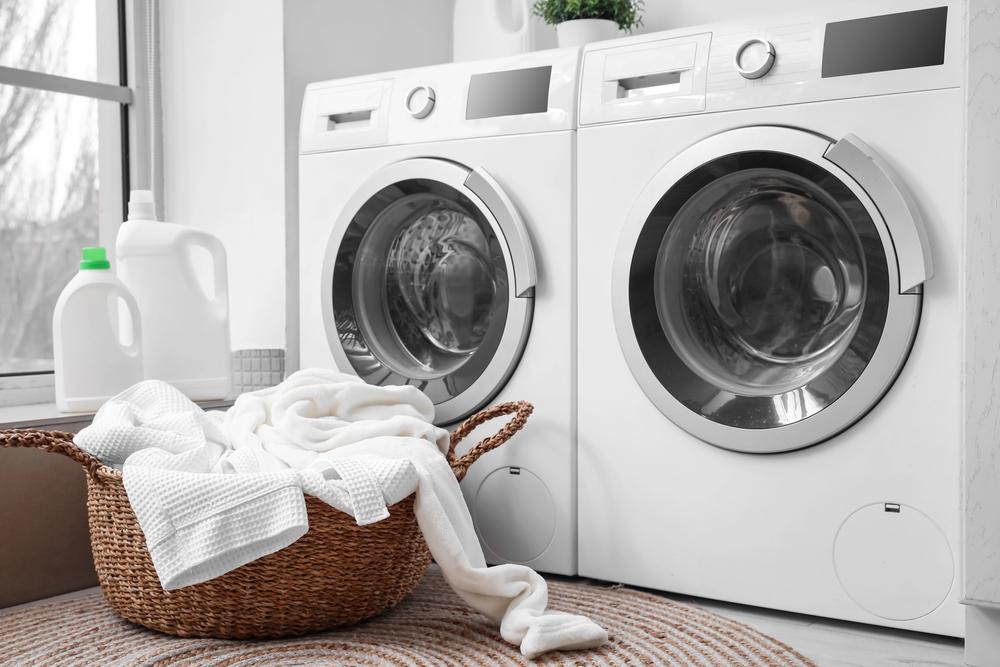
Under sinks and behind cabinetry are common trouble spots because fittings and supply lines experience constant pressure changes. Laundry areas also deserve attention since hoses and valves are frequently used but rarely inspected.
Lower levels of a home, such as a basement, require special awareness as well. Groundwater pressure and heavy rainfall can stress foundation walls and drainage systems. Even without visible flooding, moisture can collect along concrete surfaces and gradually migrate inward.
Kitchens and bathrooms see daily water use, which means seals around fixtures and connections must remain intact to prevent seepage behind surfaces.
Simple Upgrades That Offer Real Protection
The encouraging news is that homeowners do not need complex renovations to improve their home’s resistance to water damage. A few targeted improvements can significantly reduce risk.
One effective upgrade is installing a main water monitoring system that tracks unusual flow patterns. These systems can identify irregular activity and notify homeowners before a hidden leak escalates.
Backflow prevention devices are another practical measure. They help ensure that wastewater does not re-enter a home during periods of heavy system strain. This added layer of protection can prevent contamination and expensive cleanup.
Battery-supported sump pump systems provide additional security during power interruptions. When severe weather affects electricity service, backup support allows critical drainage equipment to continue operating.
Together, these types of advanced plumbing solutions create a proactive defence rather than a reactive response.
Rethinking Appliance Connections
Modern homes rely heavily on appliances connected directly to water lines. Dishwashers, washing machines and refrigerators operate daily with minimal attention.
Replacing older rubber supply hoses with reinforced alternatives can reduce the likelihood of sudden splits. Securing connections properly and checking them periodically is a small task that can prevent significant water release. Running washing machine cleaner tablets through an empty hot cycle clears the fur and residue that build up whenever you wash pet bedding.
Installing drip pans beneath appliances and adding moisture alarms nearby provides another layer of early warning. These precautions may seem minor, but they help identify problems before water spreads across the flooring or beneath the cabinetry.
Drain Performance and Long-Term Pressure
Drainage issues often begin gradually. Water that empties more slowly than usual may indicate a buildup forming within the pipes. While this may appear to be a minor nuisance, restricted flow can increase internal pressure and strain connections.
Scheduling occasional professional drain cleaning helps maintain consistent water movement through the system. Combined with thoughtful daily habits such as avoiding grease disposal and using sink strainers, this reduces stress on the plumbing network.
Maintaining healthy drainage supports the entire system and minimizes the chances of unexpected overflow events.
Water Heater Awareness
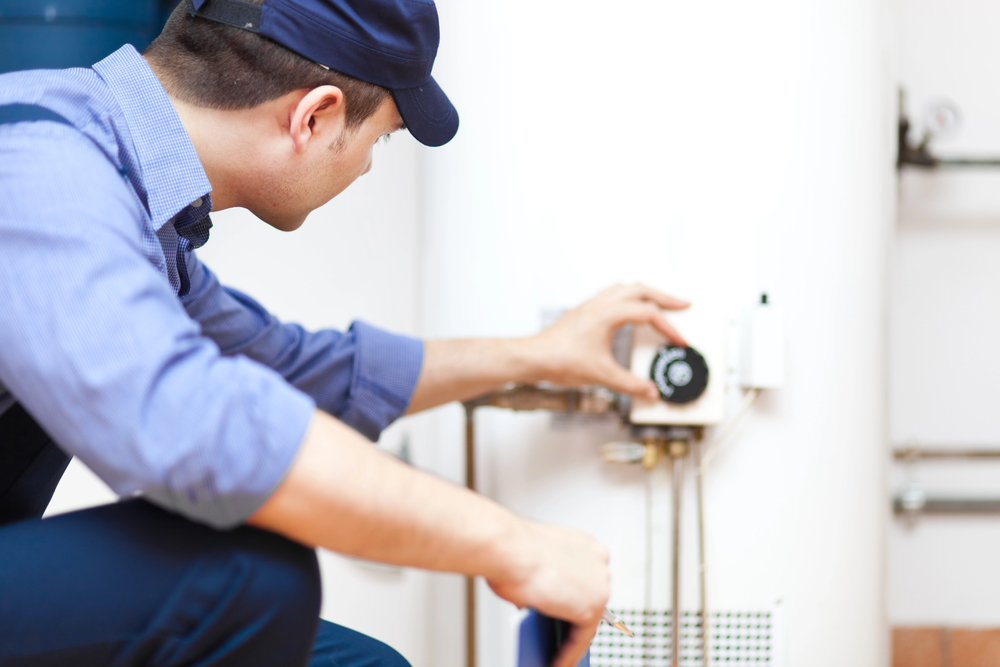
Hot water systems operate continuously in family homes. Over time, mineral accumulation inside the tank can reduce efficiency and affect performance.
Routine maintenance keeps the unit functioning properly and extends its service life. Homeowners who pay attention to unusual sounds, inconsistent heating or visible corrosion are better positioned to address concerns early.
Upgrading to newer equipment when necessary can also improve energy efficiency and reliability, reducing both operational costs and future repair risks.
Prevention Is Less Stressful Than Restoration
Major water damage rarely begins as a dramatic event. More often, it results from small oversights that compound over time. A neglected fitting, an aging hose or a minor drainage issue may seem harmless at first.
Once moisture infiltrates structural materials, repair becomes more complex. Flooring replacement, drywall removal and surface restoration can disrupt family routines and create unexpected expenses.
Approaching plumbing with a preventative mindset shifts the focus from crisis management to long-term stability. Regular inspections, modest upgrades and awareness of subtle warning signs help families stay ahead of potential problems.
Building a More Resilient Home
A resilient home is not defined by its size or style but by how well it withstands everyday wear and environmental stress. Water management plays a central role in that resilience.
By strengthening key components of the plumbing system and incorporating thoughtful safeguards, homeowners can create layers of protection that support the entire structure.
Hidden water risks don’t need to become costly surprises. With practical improvements and steady attention, families can protect their homes, preserve their comfort and avoid unnecessary disruption.