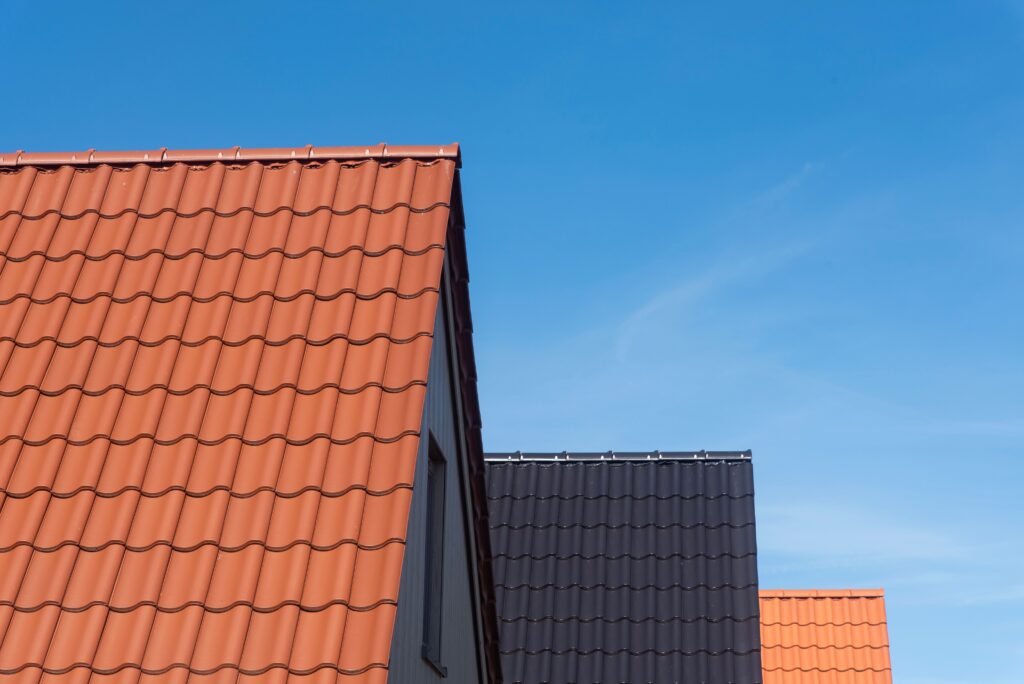
Placitas sits in the foothills of the Sandia Mountains at elevations often above 6,500 feet, and that elevation changes the math on roofing in ways a lot of homeowners moving from lower altitudes don’t expect. The combination of intense UV exposure, dramatic temperature swings, and summer monsoon storms puts a specific kind of stress on roofing materials that’s different from what you’d see even elsewhere in the Albuquerque metro.
Why Elevation Changes Everything
At Placitas’s altitude, the atmosphere provides noticeably less filtering of UV radiation than it does at sea level. That means roofing membranes, shingle granules, and stucco coatings all degrade faster here than the same products would in a lower-altitude climate, even one with similar overall sun exposure. Manufacturers’ lifespan estimates are typically based on testing conditions that don’t fully account for this kind of high-altitude UV load, so materials in Placitas often show wear ahead of schedule.
Layered on top of that is a daily temperature swing that can exceed 30 to 40 degrees between daytime highs and overnight lows. That constant expansion and contraction stresses seams, flashing, and fasteners in a way that milder, more stable climates simply don’t produce.
Monsoon Season Adds a Different Kind of Stress
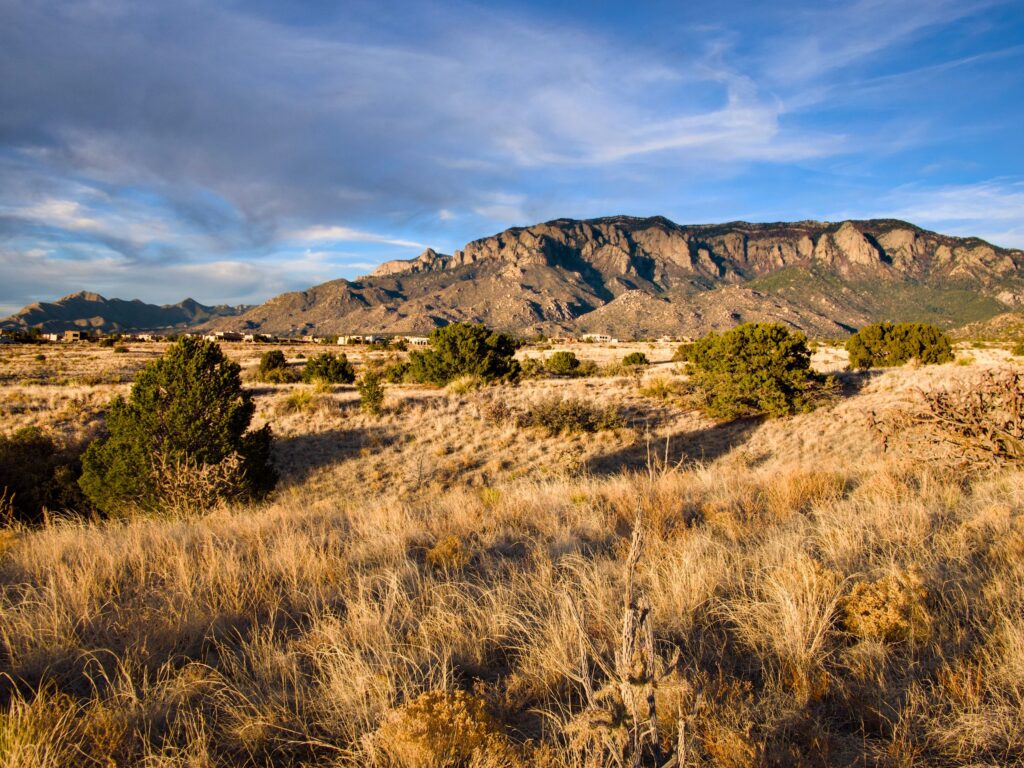
Summer brings Placitas’s monsoon season, typically running from June through September, with intense but short-duration storms that can drop significant rain in a concentrated burst. Mountain thunderstorms that build along the Sandia ridgeline can also bring hail, sometimes large enough to dent metal roofing or crack tile.
For the many Placitas homes with flat or low-slope roofs, a common architectural feature in this region’s Southwestern and Pueblo-revival style homes, monsoon storms create a specific risk: ponding water. If drainage through scuppers or canales isn’t functioning properly, water can pool on the roof surface and accelerate membrane deterioration at exactly the spots where it collects.
What This Means for Material Choice
Given these conditions, a few materials consistently perform better for Placitas homes:
- TPO membrane for flat roof sections, since its reflective white surface reduces heat absorption in an already intense UV environment and its heat-welded seams hold up well against monsoon downpours
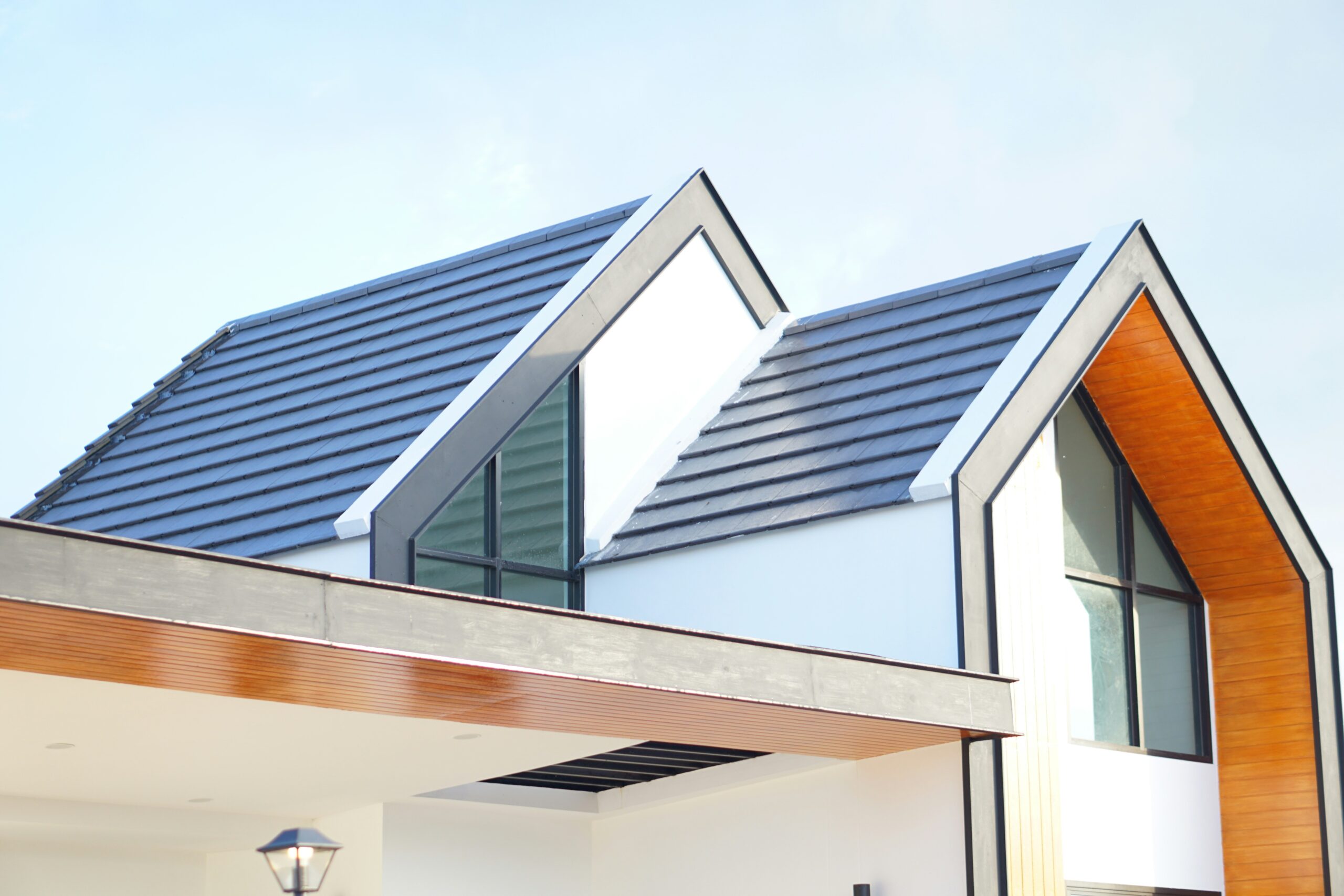
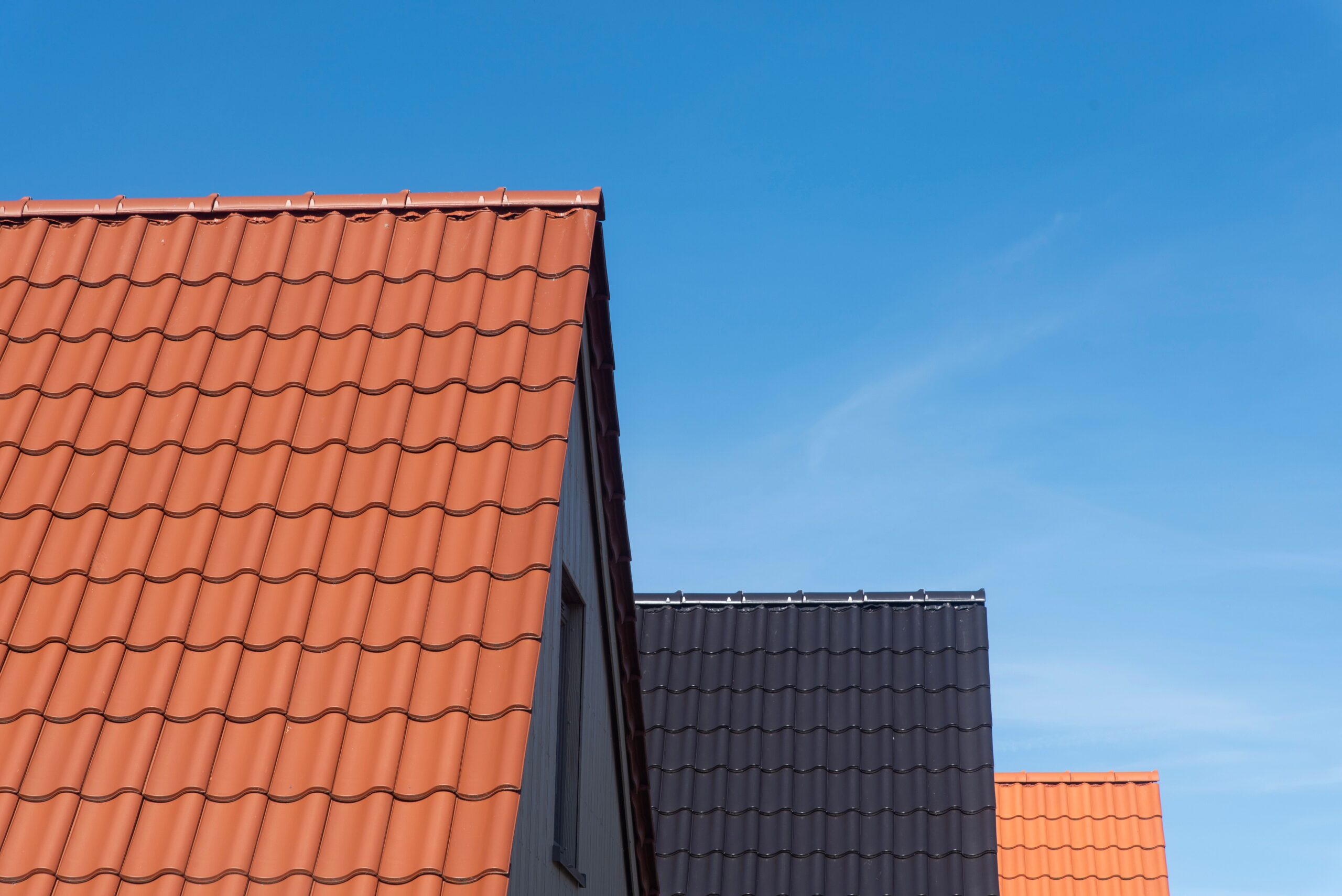
- Metal or tile roofing for pitched sections, both of which resist the UV degradation that shortens asphalt shingle lifespans at this elevation
- High-quality modified bitumen as a mid-range option for flat roofs, though it still requires more frequent inspection than TPO in this climate
Standard three-tab asphalt shingles tend to be the weakest performer here, showing granule loss and cracking well ahead of their rated lifespan because of the elevation’s UV intensity.
Why Inspection Timing Matters
Because of the seasonal pattern, a twice-a-year inspection schedule makes particular sense in Placitas: once before monsoon season in late spring, to catch any winter freeze-thaw damage and clear drainage points before the heavy rains arrive, and once after monsoon season in early fall, to assess any storm damage before winter sets in.
This matters more here than in a lot of climates because damage from UV degradation and hail impact doesn’t always show up as an obvious leak right away. A hail-bruised shingle or a slightly compromised membrane seam can look intact for months before it finally fails during the next storm.
The Custom Architecture Factor
Many Placitas homes feature complex rooflines that follow steep terrain, along with traditional elements like parapet walls, canales, and scuppers that interact with modern roofing materials in ways a generic installation approach doesn’t always account for. A roof repair or replacement here benefits from a contractor who understands both the climate and the specific architectural details common to this area, rather than someone applying a standard lower-elevation approach to a high-desert home.
Finding the Right Fit for Your Roof
If you’re dealing with a leak, planning a replacement, or just want a professional opinion on how your roof is holding up under Placitas conditions, working with experienced local Placitas, NM roofing contractors who understand this specific elevation and climate will save you from mismatched materials and repairs that don’t account for what this environment actually demands.