Why the Outside of a Home Matters More Than People Think
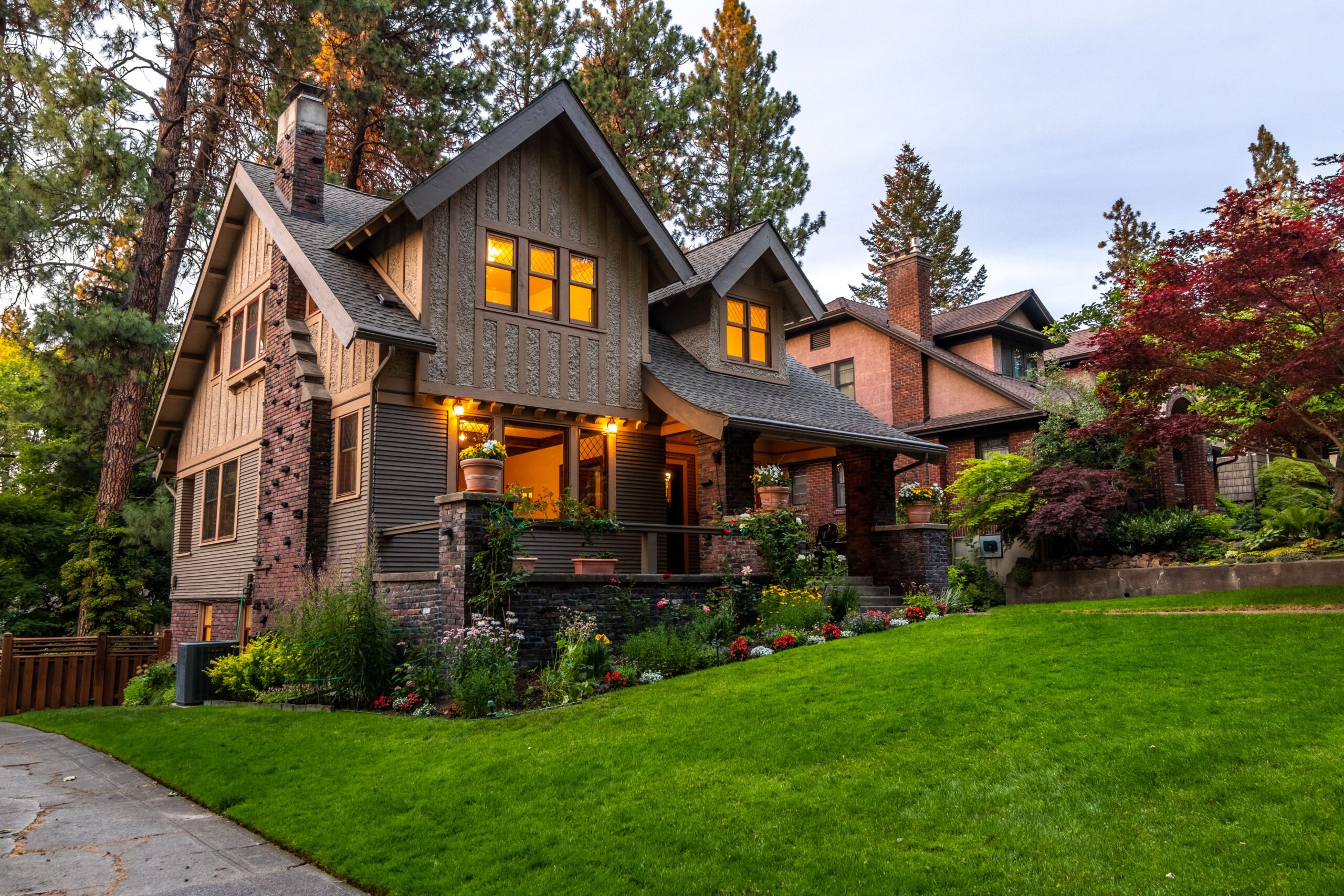
A home’s exterior shapes how people experience the property before they step inside. The roofline, siding, windows, doors, trim, porch, deck, and landscaping all create an immediate impression. A clean, balanced exterior suggests care and stability, while a worn or mismatched one can make even an updated interior feel less inviting.
The exterior also affects everyday living. It protects the structure from weather, supports indoor comfort, reduces maintenance concerns, and gives renters, buyers, owners, and property managers clues about how well the home has been maintained.
Thoughtful exterior design means looking at the home as a complete system. Roofing, siding, windows, doors, gutters, trim, decks, and entry areas all serve different roles, but they work best when planned together.
Comfort Starts With the Shell of the Home
Interior comfort is often associated with furniture, lighting, floor plans, or heating and cooling systems. Those details matter, but the shell of the home has a major influence on how comfortable the space feels throughout the year. Drafty windows, aging doors, damaged siding, weak insulation, and roofing issues can all make indoor spaces harder to regulate.
Windows and doors are especially important because they connect the interior with the outdoors. Well-fitted windows can reduce drafts, soften outside noise, and improve natural light. A quality front door can support security, weather resistance, and curb appeal. When these features are outdated or poorly installed, the home may feel less comfortable even after interior upgrades.
Siding protects exterior walls from rain, wind, heat, and cold. If it is cracked, warped, faded, or poorly sealed, moisture and air can reach areas behind the surface. That can increase maintenance needs and reduce comfort.
Roofing protects the structure below it, including insulation, framing, ceilings, and living areas. When roofing materials are chosen and installed with long-term performance in mind, they help preserve the home and support a more reliable indoor environment.
For homeowners who want the exterior to function as one connected system, working with experienced exterior professionals such as Choice Exteriors can help bring roofing, siding, windows, doors, trim, decks, and related features into a cohesive improvement plan.
Curb Appeal Comes From a Coordinated Exterior
Curb appeal is the result of many details working together. It does not depend on one expensive feature. It comes from balance, proportion, maintenance, and consistency.
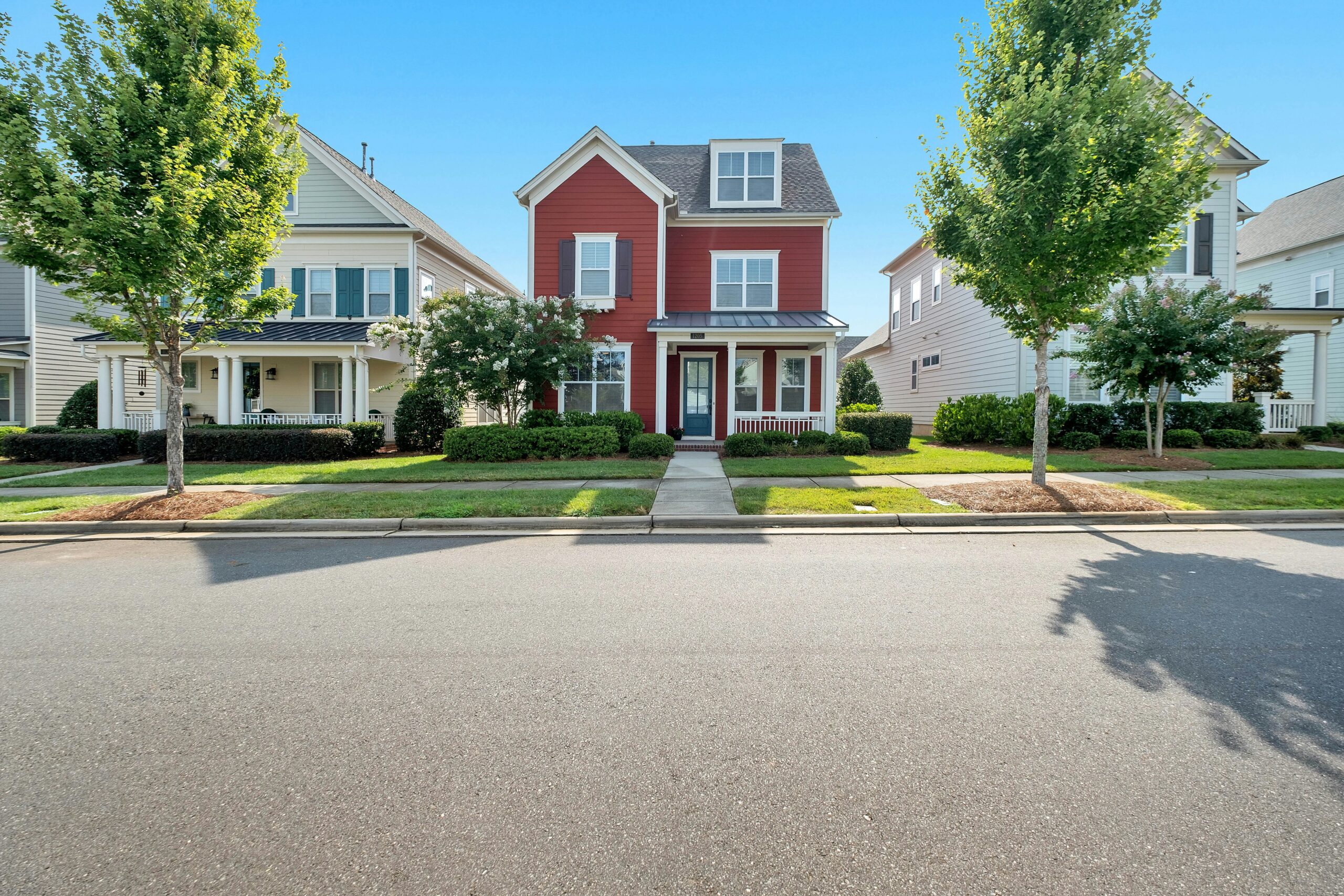
The roof color should work with the siding. The siding should complement the trim. The windows should match the style of the home. The front door should feel intentional. Porches, decks, railings, shutters, walkways, and outdoor lighting should add to the overall look rather than compete with it.
A coordinated exterior also helps a home feel complete. New siding may look less effective if the trim is damaged or the entryway looks dated. A new front door may stand out for the wrong reasons if the surrounding steps, paint, or lighting need attention. A deck can add useful space, but it should still match the scale and character of the property.
Exterior updates are most effective when each element supports the others. The goal is to highlight the home’s best features while creating a clean, polished, and durable appearance.
Exterior Upgrades Can Support Long-Term Value
Exterior improvements can influence how people judge a property’s value. A home that looks clean, updated, and structurally sound often feels more desirable than one with faded siding, worn roofing, old windows, or damaged trim.
Value includes more than resale price. It can also mean lower maintenance stress, stronger weather protection, better energy performance, and a more enjoyable living environment. A homeowner who updates exterior features before they fail may avoid larger repair costs later. A landlord who maintains the exterior may attract more confident tenants. A buyer may feel more comfortable choosing a property when the outside appears well cared for.
Research on remodeling value often shows that exterior improvements influence buyer perception because they are visible, practical, and closely tied to home condition. Projects such as roofing, siding, windows, doors, and outdoor living updates frequently appear in remodeling impact reports, reflecting the role exterior condition plays in real estate decisions.
The best exterior upgrades combine appearance with function. New siding can refresh the home while improving protection. Replacement windows can update the style while helping with comfort. A new roof can sharpen the home’s profile while protecting the structure. A deck or porch can improve outdoor enjoyment while making the property feel more complete.
Long-term value comes from choosing improvements that fit the home, climate, neighborhood, and way the space is used. A strong exterior project should solve real needs while improving the home’s overall character.
Outdoor Living Spaces Add Practical Appeal
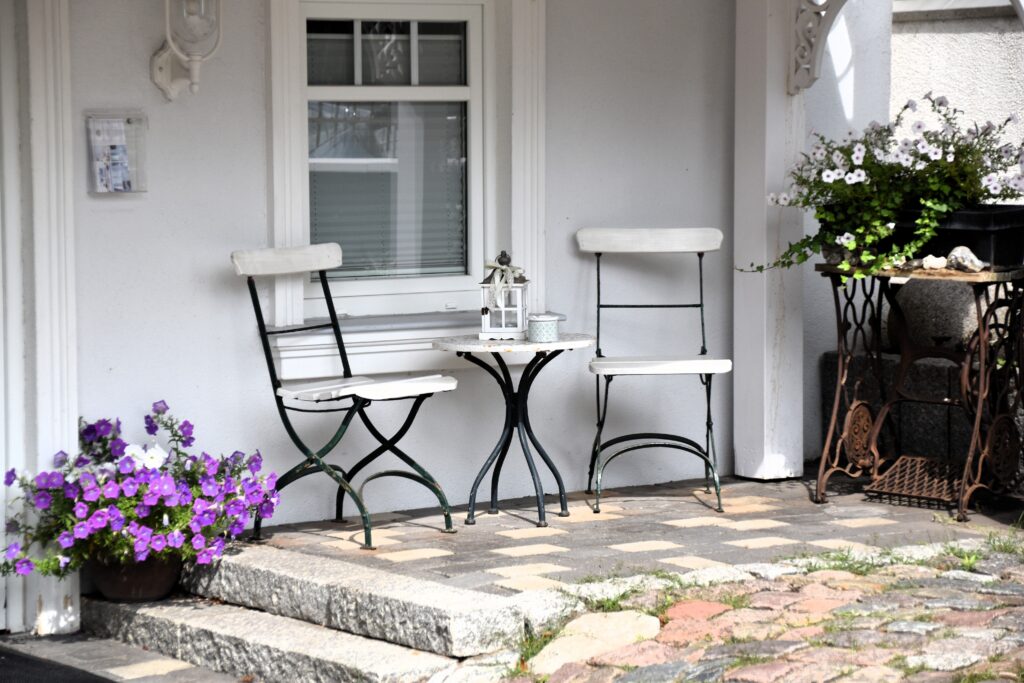
Outdoor living areas make a property feel larger and more flexible. A deck, porch, patio, or improved entry area can create space for morning coffee, outdoor meals, quiet evenings, container gardens, family gatherings, or a smoother transition between indoors and outdoors.
These areas also affect curb appeal. A front porch can make a home feel more welcoming. A back deck can make the yard more usable. A clean entry area can help the property feel organized and cared for. Railings, steps, lighting, and trim details influence whether these spaces feel safe, attractive, and practical.
Durability matters because outdoor features are exposed to weather throughout the year. Materials should suit the local climate and the level of maintenance the homeowner is prepared to handle. A deck that requires constant repairs may become frustrating, while a sturdy, well-planned porch can add value and enjoyment for years.
Outdoor living spaces should also fit the scale of the home. A deck that is too large can overwhelm a small yard. A plain porch can feel unfinished. A patio with poor drainage can create long-term problems. The best designs feel natural, useful, and connected to the architecture.
For rental properties and apartment-style homes, exterior gathering areas can make the property feel more livable. Even modest improvements can influence how comfortable and appealing a place feels to residents.
Smart Improvements Balance Beauty and Performance
A strong exterior improvement plan should improve both appearance and performance. That means better weather protection, easier maintenance, stronger durability, and more consistent comfort.
Quality siding can improve the look of a home while protecting it from moisture. Updated windows can make the exterior cleaner while helping with drafts and temperature control. A well-built porch can improve the entrance while adding useful outdoor space. A durable roof can sharpen the home’s appearance while protecting everything inside.
Maintenance should guide material choices. Wood details may offer warmth and character, but they often need regular care. Some siding options provide a lower-maintenance solution. Roofing materials vary in lifespan, cost, and appearance. Window and door choices can affect energy performance, cleaning needs, and long-term reliability.
Budget also matters. The best project is not always the largest one. Replacing a worn entry door, repairing trim, updating windows, refreshing siding, or improving a deck may create a stronger result than making several disconnected cosmetic changes.
For people comparing priorities, it helps to think in terms of home improvements that actually add value. The most worthwhile updates usually improve daily living while supporting the property’s condition over time.
What to Consider Before Planning Exterior Updates
Before beginning exterior updates, homeowners should assess the current condition of the property. Structural and weather-related concerns should come before decorative changes. Roofing problems, damaged siding, rotting trim, failing windows, and unsafe deck areas should be addressed early.
The home’s style should also guide the plan. A colonial, ranch, craftsman, townhouse, farmhouse, or modern home may call for different exterior choices. Colors, materials, trim profiles, window styles, and entry details should feel connected to the design rather than added at random.
Climate is another practical factor. A home exposed to heavy rain, snow, humidity, wind, or strong sun needs materials that can handle those conditions. Exterior improvements should be chosen for real-world performance as well as appearance.
Timing can affect the final result. Some projects are easier to coordinate together. Replacing siding and windows at the same time may allow for cleaner finishing details. Updating trim during a siding project can create a more polished look. Planning a deck or porch alongside other exterior changes can help the property feel unified.
Long-term plans should shape priorities. Someone preparing to sell may focus on visible improvements that appeal to buyers. Someone planning to stay may prioritize durability, comfort, and personal enjoyment. A landlord may care most about low-maintenance materials and tenant appeal.
A Better Exterior Creates a Better Everyday Home
A thoughtful home exterior improves comfort, curb appeal, maintenance planning, outdoor enjoyment, and long-term value. When roofing, siding, windows, doors, trim, decks, and entry areas are considered together, the home feels stronger, more complete, and more inviting.
The best exterior improvements are practical and attractive. They protect the structure, support daily comfort, and create a polished first impression.
A home’s exterior is the first thing people see, but its value goes deeper than appearance. With careful planning, it can become one of the property’s strongest assets.