The modern parenting landscape often feels like a masterclass in organized chaos. Between managing school schedules, navigating demanding career paths, and trying to carve out a few precious moments for family bonding, the logistical hurdles can quickly get overwhelming.
Honestly, there are nights when you stare at the calendar and wonder how you’re going to pull off the next day. For generations, standard solutions relied heavily on traditional childcare structures, such as daycare centers or local babysitters.
But as family dynamics change and the world becomes way more interconnected, many households are shifting their perspective. Parents are looking for something deeper than simple supervision.
They want an arrangement that brings true flexibility into the home while expanding their children’s horizons in a meaningful way.
How do we find that sweet spot between structure and sanity?
Finding this balance means stepping away from conventional routines and exploring options that integrate seamlessly into daily life. One path gaining significant traction is the decision to host an au pair.
This approach offers a distinct alternative to standard childcare by introducing a live-in cultural exchange participant right into the family dynamic.
Instead of managing strict drop-off deadlines or scrambling when a child stays home sick, families gain a dedicated support system under their own roof.
It’s a model built on mutual respect and shared experiences, turning daily routines into opportunities for learning and growth.
And honestly, it works.
For families living in vibrant, multicultural regions, this blend of practical help and global perspective feels especially natural.
For instance, parents looking to enrich their household environment often choose to welcome an au pair in Florida, where the bustling lifestyle and diverse community backdrop perfectly match the spirit of cultural exchange. But have you ever stopped to think about what that looks like day to day?
I guess it’s about those tiny, unplanned moments. The benefits extend far beyond scheduling convenience. Children grow up listening to new languages, discovering unique traditions, and developing an early appreciation for the world outside their immediate neighborhood.
It transforms the whole concept of childcare from a transactional service into an ongoing, life-changing relationship.
The Value of Flexible, In-Home Care
Photo courtesy of Pexels
Traditional childcare models often require families to adapt their lives to rigid schedules. If a meeting runs late or traffic stalls, the resulting stress can ripple through the entire evening.
We’ve all been there, gripping the steering wheel and stressing over the daycare closing time. In contrast, having a live-in support system introduces a level of adaptability that matches the unpredictable nature of modern family life.
Because an au pair resides in the home, scheduling can be tailored to meet the household’s specific, shifting needs each week.
Whether it involves early morning routines, afternoon extracurricular transport, or coverage during non-traditional working hours, the support is inherently customized.
But is total flexibility really achievable without losing your privacy? Maybe it takes some getting used to.
This flexibility creates a calmer household environment, reducing the daily friction that often leads to parental burnout. Instead of racing against the clock, parents can breathe a bit easier knowing a trusted individual is managing the transition from school to home activities.
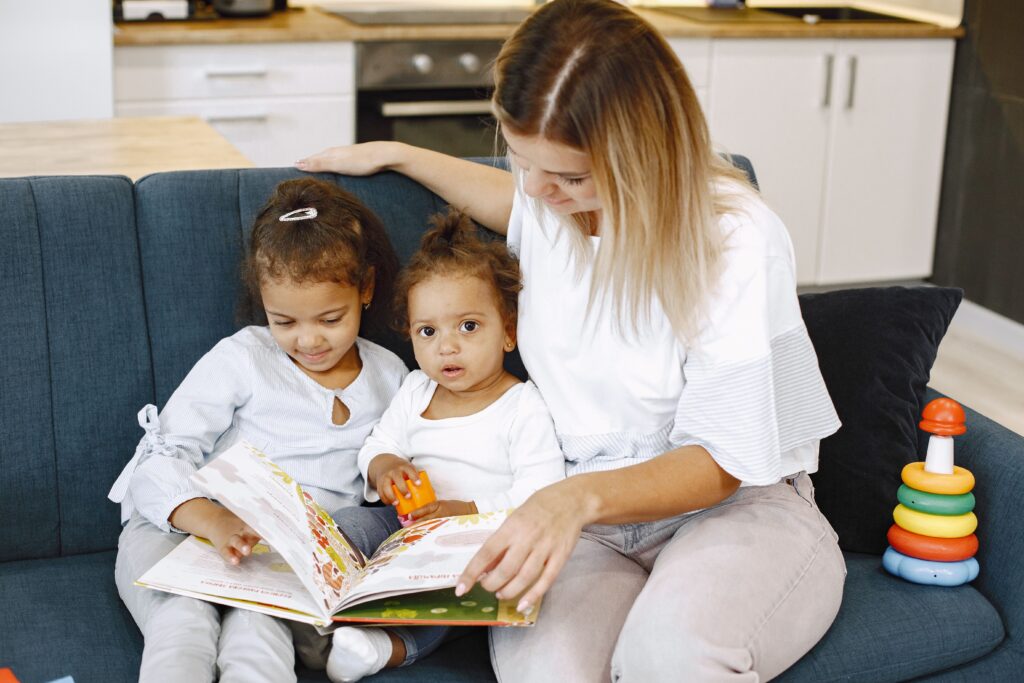
Furthermore, this consistency allows kids to form a secure, reliable bond with their caregiver, establishing a stable foundation that supports their emotional and social development.
Bringing the World to Your Living Room
Photo courtesy of Pexels
Beyond the obvious logistical advantages, the cultural dimension of this arrangement introduces something truly unique into a child’s upbringing. In an increasingly globalized economy, fostering empathy and cultural awareness from an early age is an invaluable gift.
You know, it’s about giving them a head start on understanding the world.
So, how do we start building that global mindset?
When a young adult from another country joins a household, daily life becomes a natural classroom. It’s the hum of the laptop at midnight as they share photos of their hometown, or the smell of a new spice in the kitchen.
- Language Immersion: Kids pick up phrases, accents, and vocabulary naturally through casual, everyday conversations during meals or playtime.
- Global Traditions: Celebrating foreign holidays, cooking traditional recipes, and sharing stories about different hometowns expands a child’s worldview effortlessly.
- Broadened Perspectives: Experiencing firsthand that people live, think, and express themselves differently helps kids develop deep empathy and adaptability.
These everyday interactions leave a lasting impression, shaping how children perceive diversity and community as they grow into adulthood. And that’s the point.
Building Lasting Interpersonal Connections
At its core, the hosting experience thrives on the relationship built between the family and the visitor. Unlike conventional arrangements where boundaries remain strictly professional and distant, this structure encourages a deep sense of community.
The participant becomes an extended member of the family unit, sharing in holiday celebrations, milestone achievements, and the quiet moments of ordinary weekends.
This deep bond offers immense value to the young adults who participate as well. They gain a safe, supportive environment to perfect their English, explore a new culture, and develop leadership skills that will serve them for the rest of their lives.
It’s a beautiful thing to witness. Mutual investment in each other’s well-being transforms the arrangement from a practical childcare solution into a genuine, lifelong connection spanning oceans.
Cultivating a Supportive Home Environment
Embracing this collaborative approach to family life requires open communication, clear expectations, and a willingness to share your space with someone eager to learn.