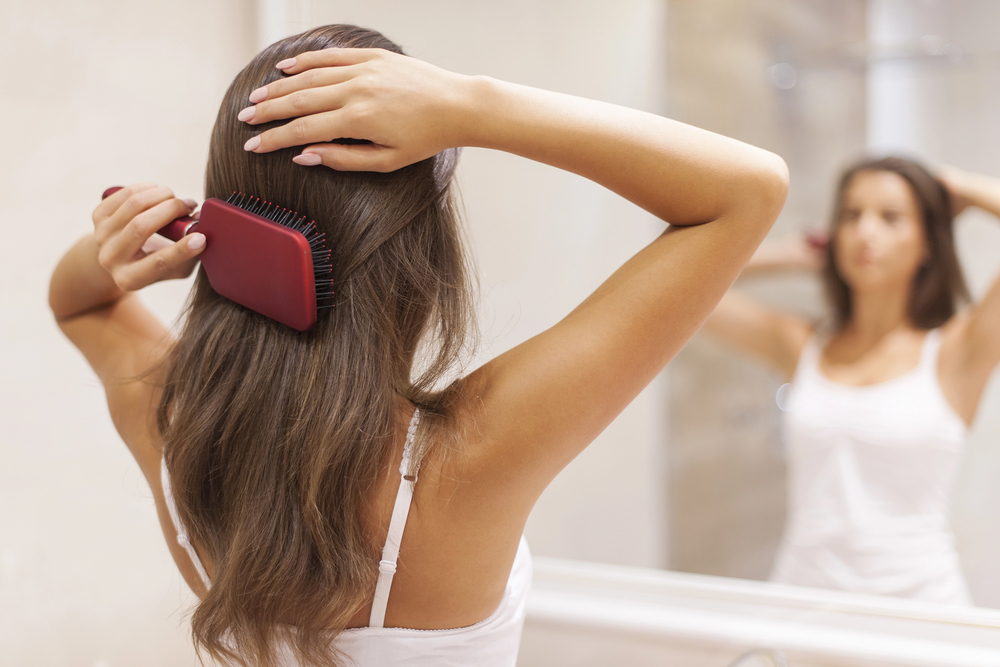
When it comes to hair care, choosing the right products can make all the difference in maintaining healthy, vibrant hair. With so many options available, it can be overwhelming to determine which products are best suited for your hair needs. If you’re dealing with dry, frizzy hair or you’re simply trying to maintain the natural beauty of your strands, understanding your hair type and knowing what it needs is important. Here’s how to choose the best hair care for your hair, ensuring that your hair remains its healthiest and most beautiful.
Understand Your Hair Type

The first step in choosing the best hair care products is identifying your hair type. Hair type is determined by several factors, including texture, thickness, porosity, and curl pattern. Each of these factors is necessary in determining how your hair reacts to various products.
Texture: Hair texture refers to the width of each strand. If your strands are thick, you likely have coarse hair. If they are thin, like mine, you have fine hair. Medium texture hair is somewhere in between.
Porosity: This refers to how well your hair absorbs and retains moisture. Hair with high porosity tends to absorb moisture quickly but also loses it fast. Low porosity hair struggles to absorb moisture, while medium porosity hair has balanced moisture retention.
Curl Pattern: Your hair being straight, wavy, curly, or coily affects the products you’ll choose. Curly and coily hair types often need more moisturizing and defining products, while straight hair types — like mine — might benefit from lightweight formulas.
Consider Your Hair Concerns
In addition to understanding your hair type, it’s important to consider any specific concerns or goals you have for your hair. Do you have dry, damaged strands? Are you looking to add volume or fight frizz? Perhaps you want to enhance your hair’s natural shine or reduce scalp irritation. Tailoring your hair care routine to address these concerns can help you achieve the results you’re looking for.
Dry or Damaged Hair: Look for products with nourishing ingredients like natural oils (argan, coconut, jojoba) or shea butter. These ingredients help restore moisture and add softness to dry, brittle hair.
Frizz Control: If frizz is a concern, go for smoothing shampoos and conditioners that contain silicones or natural oils. These ingredients create a protective barrier on your hair to help lock in moisture and smooth down the hair cuticle.
Volume Boosting: If you have fine hair, consider volumizing shampoos and conditioners that provide lightweight lift without weighing your hair down. Volumizing products often contain ingredients like panthenol or proteins that plump up each strand.
Scalp Health: If your scalp is irritated or you experience dryness, try products formulated to balance the scalp’s pH level. Gentle, sulfate-free shampoos can cleanse without stripping essential oils, while tea tree oil or peppermint-infused products can soothe an itchy scalp.
Choose Products with the Right Ingredients
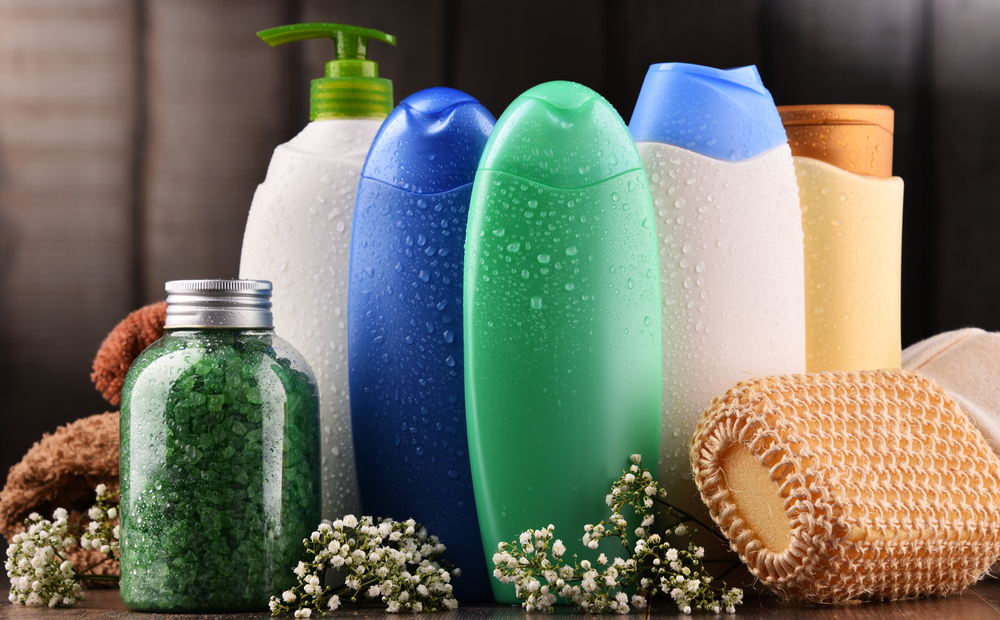
Ingredients are the foundation of any effective hair care routine. The right ingredients can nourish your hair, while harsh chemicals can strip it of essential moisture and natural oils. When choosing hair care products, it’s essential to be mindful of the ingredients you’re putting on your hair and scalp.
Sulfate-Free Shampoos: Sulfates are harsh detergents that are commonly found in shampoos. While they do a good job of cleaning hair, they can also strip it of its natural oils, leading to dryness and irritation. If you have scalp or hair is sensitive hair, choosing sulfate-free products is a gentle way to cleanse without over-drying your hair.
Proteins and Amino Acids: Proteins help to rebuild and strengthen hair, especially if it is damaged or brittle. However, not all hair types need added protein. If you have fine or protein-sensitive hair, you may want to opt for products that are free from added proteins to avoid hair becoming stiff or brittle.
Natural Oils: Natural oils like coconut oil, argan oil, and jojoba oil are packed with vitamins and nutrients that nourish and hydrate hair. These oils are perfect for dry or damaged hair, providing moisture without leaving a greasy residue.
Vitamins and Antioxidants: Ingredients such as vitamin E, biotin, and antioxidants help protect the hair from environmental damage. These nutrients promote hair health by reducing oxidative stress and strengthening the hair follicle. If you’re searching for a gentle and nourishing hair care option, consider exploring the Organi Brands selection of protein-free products. These can be an excellent choice for those seeking products that nourish without the risk of protein overload, ideal for sensitive or protein-sensitive hair.
Experiment with Hair Care Routines

Creating a hair care routine tailored to your hair type and concerns is just as important as
choosing the best products. Your routine should include cleansing, conditioning, and treatment steps that are customized for your hair’s needs. Additionally, pay attention to how your hair reacts to the products you use and make adjustments as needed.
Cleansing: Use a shampoo that is gentle yet effective in removing dirt, oil, and product buildup. If you have dry or curly hair, you may not need to shampoo every day, as excessive washing can strip natural oils from your hair.
Conditioning: Conditioners are essential for replenishing moisture and maintaining hair health. Depending on your hair’s needs, you can choose a regular conditioner or a deep conditioning treatment once or twice a week.
Treatment and Leave-In Products: If your hair is prone to damage, consider adding a leave-in conditioner or hair mask to your routine. These products provide an extra layer of moisture and protection, helping to keep your hair hydrated throughout the day.
Consistency in your hair care routine is key to seeing results. As your hair adapts to the products you choose, make sure to assess its health regularly and adjust your regimen as needed.
Be Consistent with Your Routine
Once you’ve selected the correct products for your hair, it’s crucial to stick with your routine. Healthy hair takes time to cultivate, and consistency is key. It might take a few weeks for your hair to adjust to new products, so be patient and avoid constantly switching products.
Monitor how your hair reacts and adjust your routine accordingly. If you find that certain products aren’t working as expected, it’s okay to make small changes or switch products to better align with your hair’s needs.
Conclusion
Choosing the best hair care for your hair involves understanding your hair type, concerns, and goals. With the right products and a customized routine, you can achieve healthy, vibrant hair that’s beautiful and manageable. Keep in mind that gentle, nourishing ingredients are often the ideal choice, and don’t be afraid to experiment with different products until you find what works most effectively for you. By making informed choices and being consistent with your hair care routine, you’ll be well on your way to achieving the hair of your dreams.
Discover more from momhomeguide.com
Subscribe to get the latest posts sent to your email.
Leave a Reply