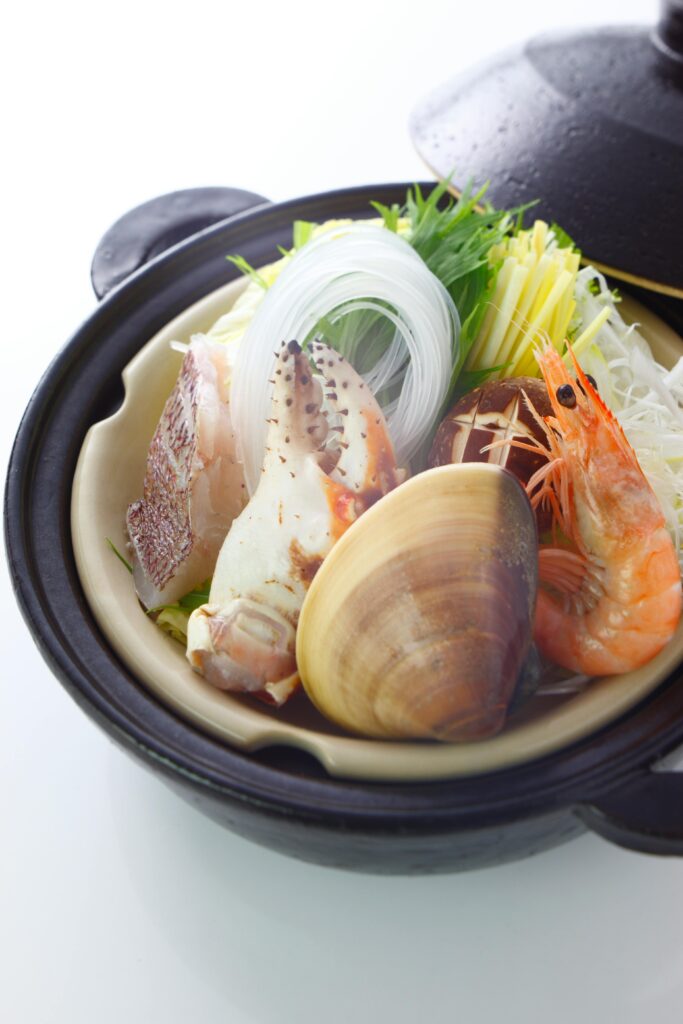
Seafood is part of everyday meals for many people. It feels like a lighter option compared to other protein sources, and is often seen as a healthier choice. But once you look a little closer, not all seafood is equal. Some types are overfished, some are farmed in ways that affect surrounding waters, and others are managed more carefully. Even something as simple as picking up fish jerky instead of fresh fish still connects back to how that fish was sourced. The product might look different, but the starting point is the same.
Why Sustainable Seafood Matters
Seafood doesn’t come from just one system. It comes from oceans, rivers, farms or a combination of all three. When fishing is done without limits, the fish population can drop significantly, so much so that the rate of population decline exceeds their ability to recover. That decrease isn’t visible right away; it slowly shows up, over time, when a species becomes harder to find. Eventually, those effects are felt far down the food chain.
Farming doesn’t remove the pressure completely, but it does help. Water quality, waste and feed sourcing all come into play. With options like bluefin tuna ranching becoming more common, where fish are caught wild but raised in a controlled environment, sustainability is possible. But while it looks like farming, it still relies on natural populations to some extent. That is why the idea of “just produce more seafood” isn’t the right direction; everything depends on how that seafood is raised and brought to you.
How to Choose Sustainable Seafood
There is no checklist to choose from, but a few patterns can make it easier to best select sustainable seafood. Start with where the fish comes from. If you are aware of the source of the product, you know more than what a vague label can tell you about it. Wild-caught fish can be a good choice if the fishery is well-managed, which usually means there are limits set and followed on the amount of fish that can be caught and when.
Farmed fish can also work, but the farming method matters. There are farms that manage waste and water quality sustainably. Some farms also rely less on other wild fish for feed. However, it also helps to look at the species itself. Some fish populations recover quickly, but there are species that take years to grow and reproduce.
Certifications can help you get an idea of the production, but they are not always enough on their own, as they provide direction rather than the full picture. Researching the product alongside the country of production can help you get a clearer picture of what choice to make.
Seafood You Should Choose More Often
Not all seafood puts the same level of pressure on the ecosystem and food chain. There are many types of seafood, and each affects its surroundings a little differently.
Fast-Growing Fish
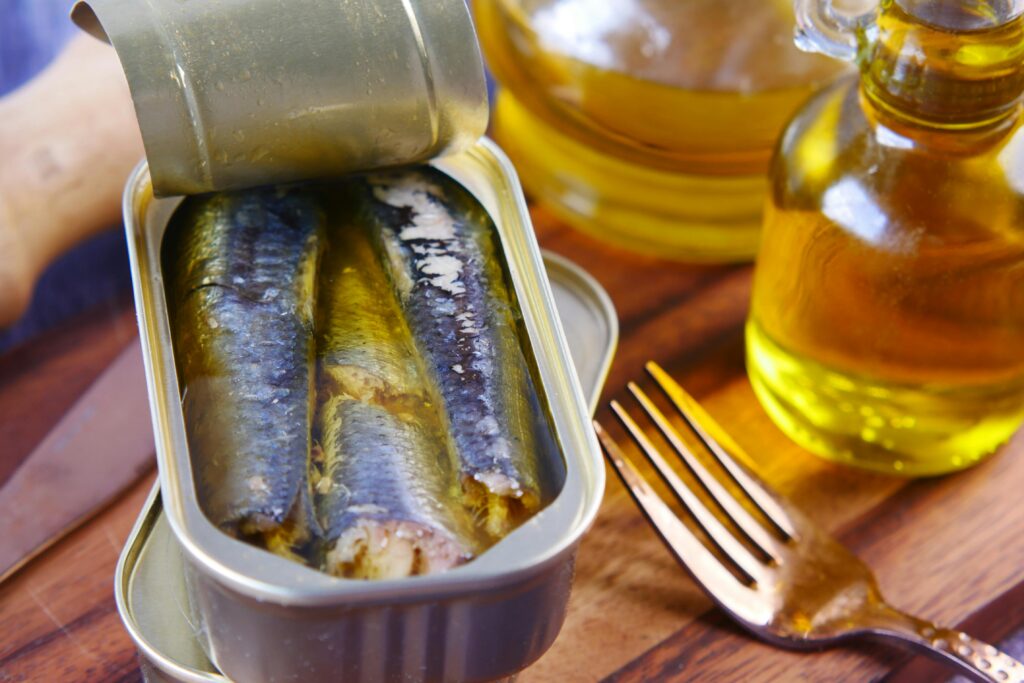
Fast-growing fish species are often more resistant to population declines. They reach maturity quickly and reproduce more often, and that makes it easier for the population to recover, even when they are harvested regularly. Fish like sardines or anchovies fall into this category. While they are not the most popular choices, they are often a better option from a sustainability perspective, especially because they require less time and fewer resources to reach harvest size.
Locally Sourced Options
Local seafood often comes with fewer layers of production in between. It usually means shorter transportation distances and better traceability, so you’re more likely to know where it came from and how it was handled at every step. Local fisheries are also easier to regulate in comparison to large-scale international operations. That does not guarantee sustainability, but it definitely improves those chances, all while supporting smaller systems instead of putting pressure on large overfished areas.
Smaller Species
Smaller fish are often overlooked, but they play an important role. They sit lower in the food chain and tend to reproduce faster than larger species. This makes them less vulnerable than larger fish species that take years to grow. Choosing smaller species also reduces pressure on larger predator fish, which are usually the first to decline when fishing increases.
Seafood to Limit or Avoid
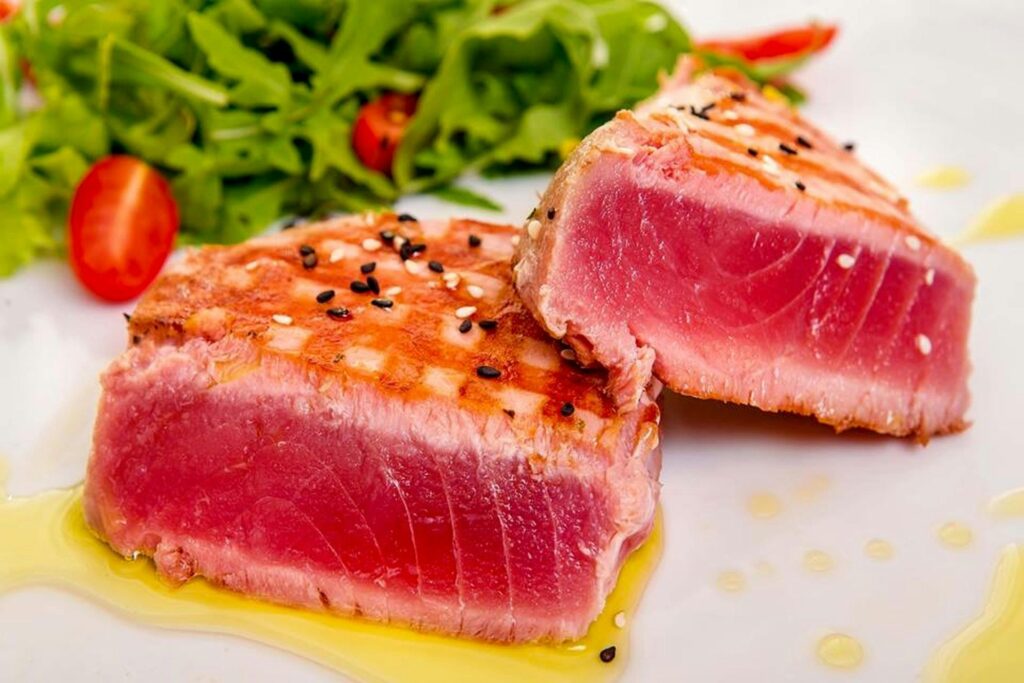
Some seafood options carry higher risks, even if they are popular ones. For instance, large and slow-growing species take longer to both mature and reproduce, with bluefin tuna being a perfect example of this. Once their numbers drop, recovery takes a long time, which is why sustainable farming practices are critical to meet demand.
Regardless of the specific species, certain fishing methods can damage habitats or catch unintended species. Imported seafood can be harder to trace, and without clear sourcing information, it becomes difficult to understand how it was produced. Transparency matters, and you should be capable of discovering where your food is coming from; if sellers are hiding any information, you should avoid them.
Simple Ways to Make Your Seafood Habits More Sustainable
You don’t need to change everything at once. Small shifts work better when making a step towards sustainability.
Rotate What You Eat
If you’re a pescatarian and only rely on fish for your maximum protein and nutritional intake, eating the same types of fish repeatedly puts pressure on that species. Switching between different fish can make it easier for you to over-rely on one specific species or system.
Pay Attention to Product Forms
Processed seafood still connects back to the product source. For instance, if you are buying fish jerky, it might feel like a different category, but it depends on the same supply chain. The product’s sustainability still comes from the fish itself, not from how it was processed or packaged, so make sure you’re checking the source to learn where it came from.
Be Careful With Labels
Labels can give you insight, but it does not always give you the full picture of the information about production, sourcing, and sustainability. There are specific ones that are backed by strict industry standards. But there are also labels that are broader and less specific, which might give customers a false sense of sustainability. Without context, it is easy to assume something is sustainable, even when it is not.
Final Thoughts
Choosing sustainable seafood is more about understanding and noticing the source of your food and how often you rely on certain food and diet choices. There are seafood species that take a lot of time to recover in population, and there are many options that are able to recover faster in the wild and in farms.
Sustainability is not about completely cutting off and going to extremes. It can be as simple as changing what you pick more often and paying more attention to sourcing. Once you are able to do that, the idea of “sustainable seafood” stops being a general concept and becomes something that you can achieve.
This post contains Amazon affiliate links.
Discover more from momhomeguide.com
Subscribe to get the latest posts sent to your email.
Leave a Reply