A great home entertainment experience doesn’t necessarily require an enormous television, expensive speakers, or a dedicated cinema room. Sometimes, a few thoughtful changes can make watching films, listening to music, or enjoying a family game night considerably more enjoyable.
The challenge is knowing where to spend your money. With so many entertainment gadgets and accessories available, it’s easy to focus on expensive equipment while overlooking smaller details that affect comfort and convenience.
Fortunately, you can create a better entertainment setup on almost any budget. Rearranging furniture, adjusting lighting, improving audio quality, and organizing your equipment can all make a noticeable difference.
The key is to prioritize improvements that suit your space, entertainment preferences, and household routines.
Here are some practical ways to make your home entertainment experience more comfortable, enjoyable, and affordable.
Arrange Your Living Room for Better Viewing
Before investing in new technology, consider whether your current furniture arrangement works for watching television. A poorly positioned sofa can make even a good television uncomfortable to watch, particularly when viewers need to turn their heads or sit at awkward angles.
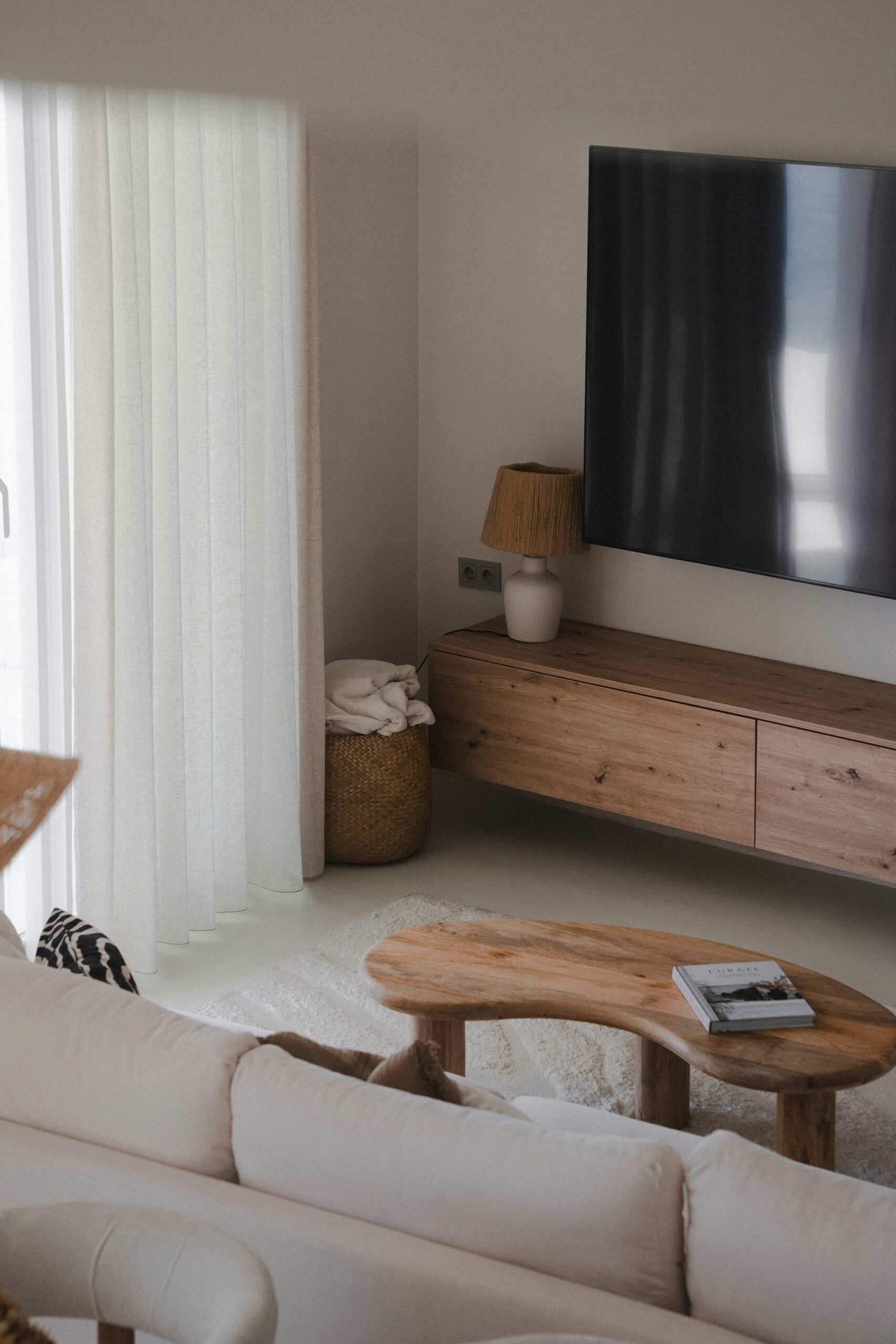
Ideally, the main seating area should face the screen directly. Position the television at a comfortable viewing height so that you aren’t constantly looking upwards. If your television sits above a fireplace or high cabinet, consider whether a lower position would improve everyday viewing—adding an entertainment center to your space can provide both better viewing height and storage.
Natural light also matters. Windows directly opposite the screen can create distracting reflections, especially during daytime viewing. Rearranging furniture or adding curtains may help reduce glare without requiring a new television.
For smaller rooms, avoid placing unnecessary furniture between the seating area and screen. This can make the space feel more open while improving visibility.
Remember to leave enough room for people to move comfortably, especially in family homes where the living room serves several purposes.
Improve Your Lighting Without Expensive Renovations
Lighting can dramatically change how a room feels during a film or television program. Bright overhead lights may create reflections on the screen, while watching in complete darkness can feel uncomfortable for some people.
A better approach is to introduce softer lighting that doesn’t shine directly towards the television.
Table lamps, floor lamps, and LED strips can all provide affordable alternatives to harsh ceiling lights. For example, placing a soft light behind your television can create a more comfortable viewing environment while making the room feel inviting.
If you enjoy hosting film nights, consider lamps with adjustable brightness. This allows you to change the atmosphere depending on what you’re watching. You can also use existing curtains or blinds to control sunlight during the day.
There’s no need to install complicated smart lighting systems unless you genuinely want their additional features. Often, repositioning an existing lamp or changing a bulb is enough to make a room more suitable for entertainment.
Pay Attention to Your Audio Setup
Picture quality receives plenty of attention when people upgrade their entertainment systems, but sound deserves equal consideration. Poor dialogue clarity or distracting background noise can make films, television programs, and music less enjoyable.
Start by checking your television’s audio settings. Some models include dialogue-focused modes that make speech easier to understand. If you use external speakers, experiment with their positioning before considering replacements.
Avoid placing speakers behind large objects or inside enclosed cabinets, as this can affect how sound reaches the listening area.
Personal audio equipment is another option, particularly in households where family members have different entertainment preferences. Headphones and in-ear monitors allow someone to listen privately without disturbing others.
Audio retailers such as Moon Audio offer accessories for different listening arrangements, including cables designed for compatible in-ear monitors.
For those looking to maintain or customize their personal audio setup, replacement and specialized IEM cables are available here at Moon Audio.
Before replacing an earphone cable, check its connector type and compatibility with your listening device. It’s also worth remembering that expensive cables don’t automatically produce noticeable improvements in sound quality. A secure connection, comfortable fit, and reliable equipment should come first.
Make Your Entertainment Setup More Organized
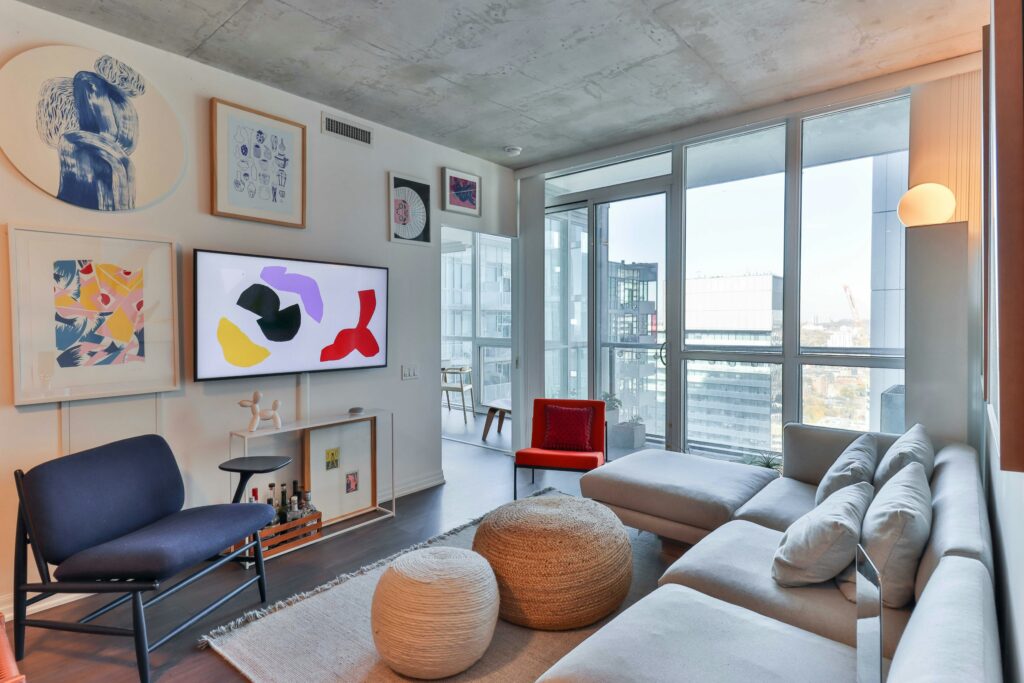
A television surrounded by tangled wires, misplaced remotes, and unused gadgets can make even a beautifully decorated living room feel untidy. Fortunately, organizing your entertainment area is usually straightforward.
Start by removing devices and accessories you no longer use regularly. Next, group cables together using reusable ties or cable organizers. Avoid pulling them too tightly, as this can damage the wires.
If your television is wall-mounted, consider using suitable cable covers to keep visible connections tidy.
Storage furniture can also help. A media cabinet with drawers provides somewhere to keep gaming controllers, spare batteries, headphones, and other accessories.
For smaller living rooms, choose compact furniture that offers storage without occupying too much floor space.
Keep frequently used items within easy reach, but avoid overcrowding surfaces.
Finally, label similar-looking cables if you regularly disconnect equipment. This can save frustration when troubleshooting connections or rearranging devices.
Plan Entertainment Around Your Household’s Needs
The best home entertainment setup depends on how your household actually spends its free time.
A family that enjoys film nights may benefit from comfortable seating and easy access to snacks. Someone who regularly plays video games might prioritize responsive equipment and a stable internet connection. Music enthusiasts may prefer dedicated speakers or personal listening devices.
Before purchasing anything, consider which activities happen most frequently.
If several people regularly watch television together, additional seating may be more useful than upgrading to a larger screen.
For gaming, check whether your television already includes a game mode that reduces processing delays.
If streaming services frequently buffer, investigate your internet connection and router placement before replacing entertainment devices.
You can also make family entertainment more enjoyable without purchasing new technology. Prepare homemade snacks, create a rotating film-night schedule, or keep board games in an accessible cupboard.
These small touches encourage everyone to make better use of the space.
Final Thoughts
Creating a better home entertainment experience doesn’t have to involve expensive equipment or major home renovations.
Start with the basics: comfortable seating, sensible television placement, appropriate lighting, and clear audio.
From there, focus on improvements that address your household’s specific needs. If you’re considering new purchases, identify what genuinely needs improving before spending money. A well-planned entertainment space should support the activities you enjoy rather than simply accommodate the latest gadgets.
Ultimately, the best setup isn’t necessarily the most expensive one. It’s the space where your family can comfortably relax, spend time together, and enjoy their favorite entertainment without unnecessary distractions.