Working on the house can put a strain on many pet owners’ schedules. Between renovations, repairs, painting, cleaning, and more, it can be difficult to keep up with regular chores such as tending to your pets. Dogs tend to thrive on a consistent and scheduled diet, so it is important as a pet owner to keep up with at least this aspect of your pet’s life. With a few simple preparations, you can keep your dog’s meals on a consistent schedule while still staying on track with your home renovation project.
Set Regular Feeding Times
To create a regular dog feeding schedule, select convenient times that match with your schedule. If you usually eat with your pet in the morning and in the evening, the feeding schedule shouldn’t deviate from these times very much. Consider setting an alarm on your phone when working on a home improvement project so you don’t become so absorbed in the task that you forget about your dog’s mealtime. Sticking to a consistent feeding schedule is especially important during busy periods, and planning mealtimes around your household tasks can help you stay organized while making sure your dog’s needs aren’t overlooked.
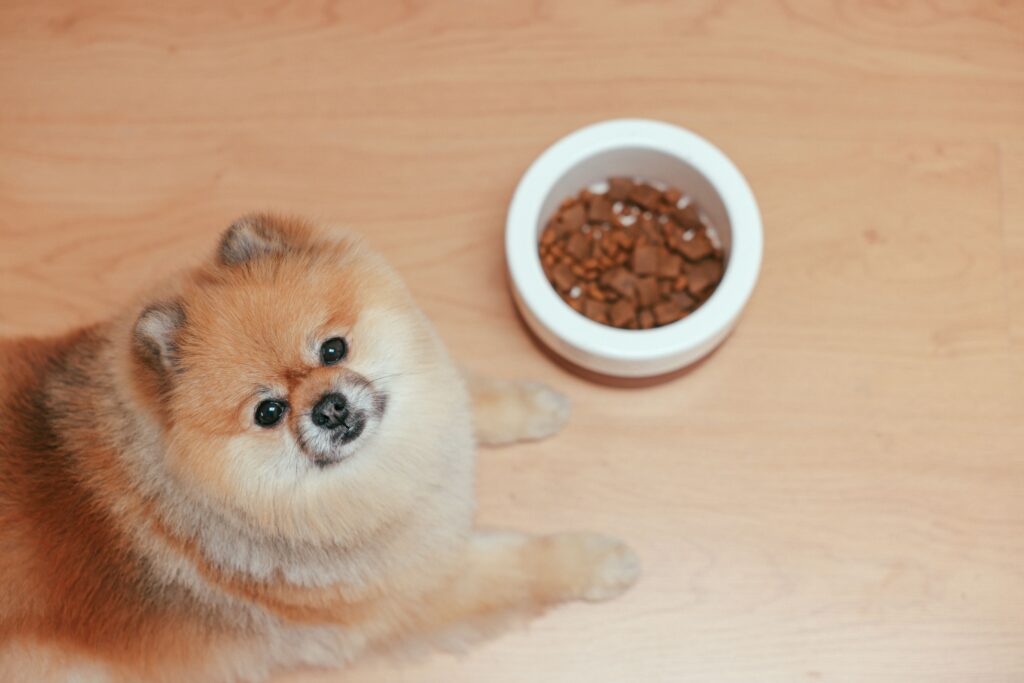
It could also help to have your dog’s meals prepped in advance of starting a big job. Measure out how much dog food you’ll need and save it in a clean area for easy access. This way, you’ll be less likely to skip a meal if you’re working on your renovation project. Preparing your dog’s meal ahead of time can also help make feeding feel like a normal part of the day rather than another task competing for your attention while you’re busy with your project.
Choose a Safe Feeding Area
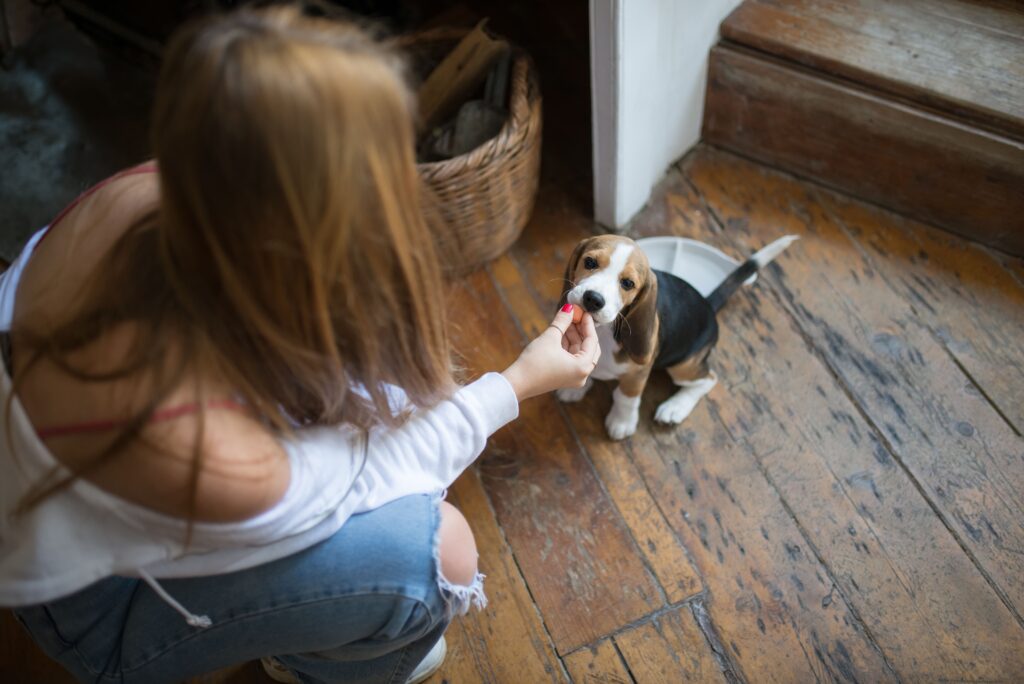
Home improvement tasks can create unfamiliar sounds, smells, and activity that may leave your dog feeling unsettled and even upset their stomach at mealtimes.. Set up a calm feeding station or area for your pet where the dog can eat away from extra noise and activity. Ideally, create a spot where they can safely retreat to for mealtimes, where they can count on finding their food and water bowls.
Dogs are naturally curious and may investigate unfamiliar objects, so take care to create a safe space removed from any work aways—this spot should be located a healthy distance from chemicals, tools, hardware, and other potentially hazardous materials. If possible, designate a secondary feeding area in a part of the home that will remain undisturbed during renovations or DIY projects. This will provide your dog with a safe, familiar place to eat, away from project-related activity and hazards.
Plan Around Household Work
Home improvement projects often take longer than expected, so it’s important to establish a feeding schedule you can realistically maintain. For example, feeding your dog before starting a lengthy project can help ensure they’re comfortable and satisfied while allowing you to focus on the task at hand. You can also use mealtimes as natural breaks in your workday, giving your dog some attention while giving yourself a chance to step away, stretch, and recharge before getting back to the project.
When choosing food during a busy period, focus on keeping the routine that the dog has already, rather than changing it up. If you are thinking of a different option, such as acana dog food, try introducing it thoughtfully, rather than suddenly throwing it into your dog’s meals, when you already have a stressful household project going on. Keeping other parts of the routine familiar may make it easier for the dog to adjust to a change to its food.
Keep Portions Consistent
Overfeeding can happen by accident when one has an overly busy schedule, especially where there are many people in the family to feed the dog. Portioning the food before giving it can help to eliminate such problems and keep the feeding constant. It is advisable to agree on what time the meals are provided in order to avoid conflicts between those feeding.
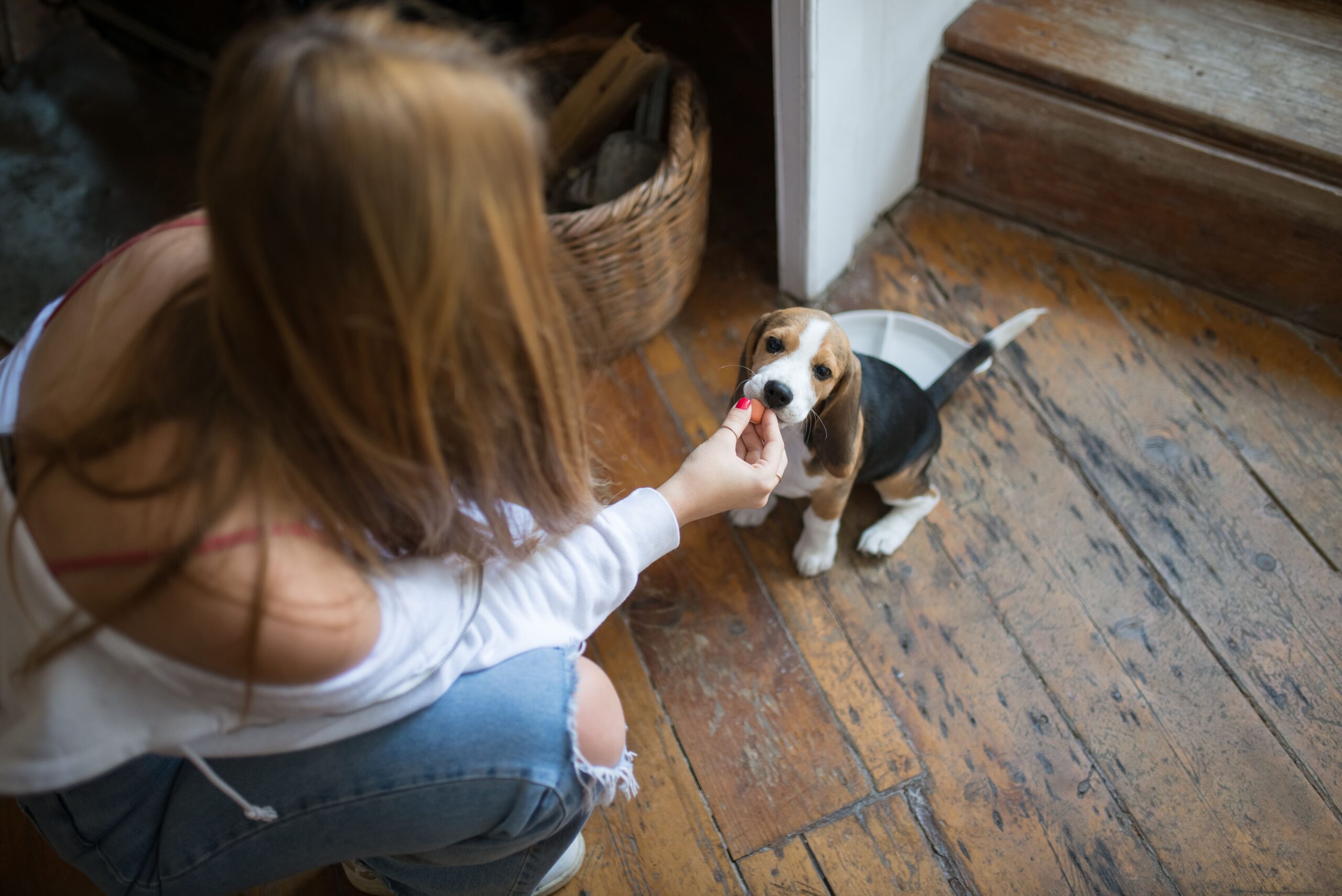
It’s also important to consider treats when planning your dog’s feeding routine. A busy home improvement project may mean spending more time away from your dog, which can make it tempting to offer extra treats when you are with them. Treats are fine in moderation, but be mindful of how often they’re given so they don’t interfere with regular meals or add unnecessary calories to your dog’s diet. When possible, account for treats as part of your dog’s overall daily calorie intake.
Establishing an effective feeding schedule while building your home will require lots of effort and planning. Setting the best time for meals, picking a safe location for your dog to eat from, planning your activities, and serving the same amount of food daily can help you cope with building the house and taking care of your pet at the same time.