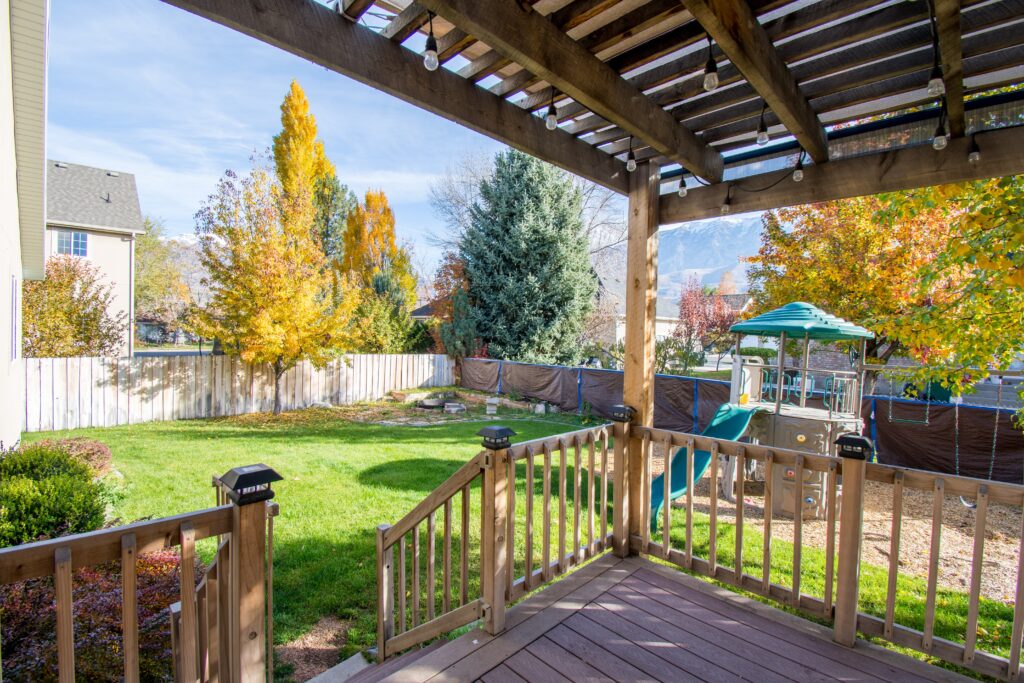
Backyards tend to feel more inviting when the weather warms up. A quiet place for morning coffee, an easy spot for dinner outside, or a comfortable area to unwind at the end of the day can change the rhythm of home life in a simple but meaningful way. A well-planned deck often becomes the heart of that outdoor routine. It adds structure to the yard while still keeping the backyard relaxed and livable. With some thoughtful planning, it can support both everyday downtime and casual get-togethers.
Start by Thinking About How You’ll Use Your Deck
Before choosing materials or settling on a layout, it helps to picture how the deck will actually be used. Some families want a peaceful place to read, sip coffee, or enjoy a quiet morning outdoors. Others need enough space for family meals, weekend visitors and the usual activities of daily life.
Think about what matters most in your home. You may want a small dining area, a place to lounge, or enough open room for kids and pets to move around comfortably. Even a simple deck can be far more useful when it reflects the way you already live.
A little planning at the beginning can make the rest of the process feel much easier. Once you know what you want the deck to do, the next choices tend to fall into place.
Choose a Layout That Fits Your Space
A deck should feel like a natural extension of your home, not something that was added later without much thought. One of the easiest ways to create that feeling is to consider how it connects to your back door, patio or yard. When the layout flows naturally, the deck is more likely to become part of your everyday routine.
Even a smaller backyard can come together nicely with a smart layout. A seating area on one side and a dining space on the other may be all you need to create a sense of structure. In a larger yard, it often makes sense to give each area a clearer purpose while still keeping the overall design cohesive.
It also helps to think about how people will move through the space. Walkways should feel open, furniture should not crowd the layout, and there should be enough room to pull out chairs and move around comfortably.
Make Comfort a Priority
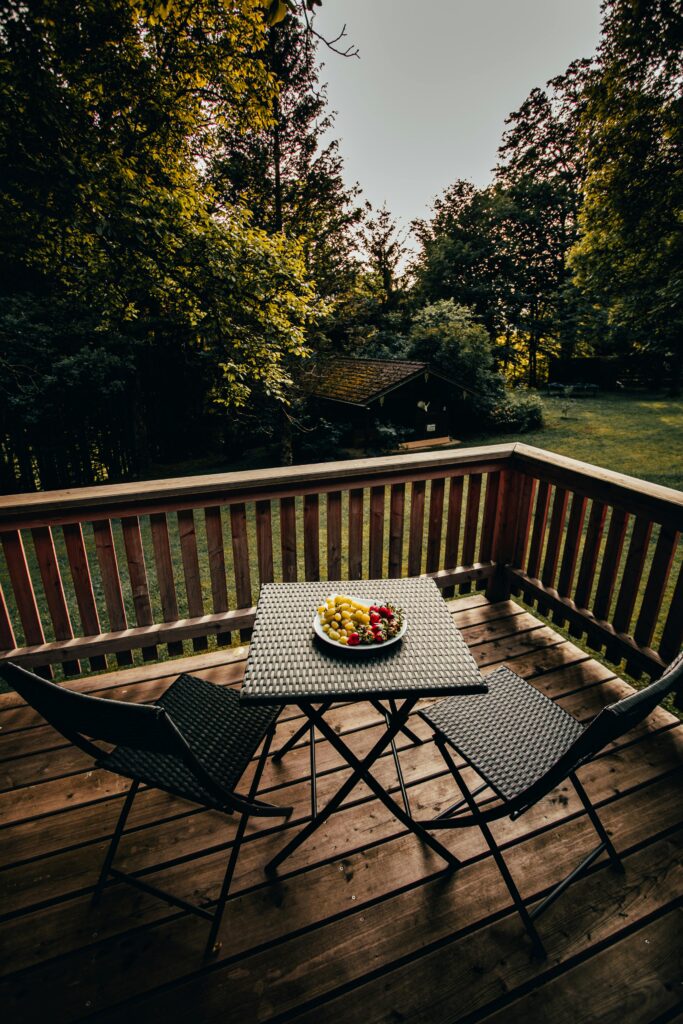
A deck may look beautiful, but if it is not comfortable, it probably will not get much use. Seating makes a big difference, so it is worth choosing pieces that feel relaxed and easy to rearrange. A mix of dining chairs, lounge seating, and a bench can make the deck more flexible without making it seem crowded.
Shade matters just as much, especially during the hottest part of the day. Umbrellas, pergolas and covered areas can all make the deck more usable. Even a little shade can make the area noticeably cooler and more inviting.
Lighting is another detail that shapes the mood. Soft overhead lighting, wall fixtures or subtle lights along railings can help the deck feel warm and welcoming after sunset. The goal is simple: create a place where people want to linger.
Select Materials That Match Your Lifestyle
The materials you choose for your deck will affect both the look of the deck and how much upkeep it needs over time. Some homeowners love the natural warmth of wood. Others prefer composite decking because it is easier to care for and tends to hold up well with less routine maintenance.
Your daily life should be part of that decision. If the deck will see plenty of foot traffic, frequent outdoor meals, or regular use by kids and pets, it makes sense to choose materials that can withstand wear without becoming another household chore. Sun exposure, moisture and the amount of cleaning or sealing you are willing to do should all factor in.
A deck should make outdoor living easier, not create more work. Materials that suit your routine will help the space stay enjoyable year after year.
Think About Climate and the Bigger Picture

As ideas start to come together, it can be helpful to look at how outdoor spaces are designed across different parts of the country. In some regions, decks are used year-round and often include covered areas or built-in features, making them more versatile. In others, especially where seasons change more dramatically, layouts tend to focus on flexibility and ease of use during warmer months.
In Tennessee, outdoor spaces are often designed to make the most of mild seasons and everyday use, with a focus on comfort and flexibility. This kind of approach is common in the work of builders like Keystone Custom Decks TN, where layouts often support both daily use and casual gatherings without seeming overly formal.
In nearby states like Georgia and North Carolina, outdoor spaces often follow a similar pattern, emphasizing shade and comfortable seating for warmer weather. In contrast, homes in the Midwest may prioritize durability through colder seasons, while coastal areas such as Florida or California often focus more on airflow and materials that handle moisture and sun exposure.
Looking at these differences can help clarify which ideas make sense for your own space and which are more location-dependent.
Connect Your Deck to the Rest of Your Backyard
A deck usually looks best when it feels like part of the whole yard rather than a separate feature. That does not mean everything needs to match exactly. It simply means the different parts of the backyard should feel like they belong together.
Small design choices can make a big difference here. A path leading from the deck to another part of the yard can make the layout feel more connected. Planters, nearby garden beds, or a repeated color palette can help tie the deck into the rest of the outdoor setting. Using a few consistent materials or finishes can also make the whole area feel more polished without feeling formal.
For extra inspiration, these relaxing backyard retreat ideas offer helpful examples of how different outdoor elements can come together to create a comfortable, cohesive space.
Add Simple Touches That Make the Space Feel Finished

Once the basics are in place, smaller details can make the deck feel much more inviting. Outdoor rugs, cushions, planters, lanterns and a few well-chosen accessories add warmth without requiring a major investment. They also help the deck feel more personal and less like a bare platform.
It is also smart to leave some flexibility in the design so the space can change with the seasons. You might swap out pillows, bring in a few potted plants, or rearrange furniture depending on how you use the deck throughout the year. Small changes like these can keep the area feeling fresh without requiring a complete reset.
For more inspiration on making your outdoor setup feel welcoming and easy to use, this roundup of ideas for enjoying your backyard in the summer makes a natural companion read.
Conclusion
Planning a backyard deck with real life in mind can make a noticeable difference in how the space looks and functions. When the layout makes sense, the materials fit your routine, and comfort is built into the design, the deck becomes much easier to enjoy regularly.
It does not have to be complicated to work well. A thoughtful plan, a few practical choices and some simple finishing touches can turn a basic backyard deck into a place you will want to use again and again.
Discover more from momhomeguide.com
Subscribe to get the latest posts sent to your email.
Leave a Reply