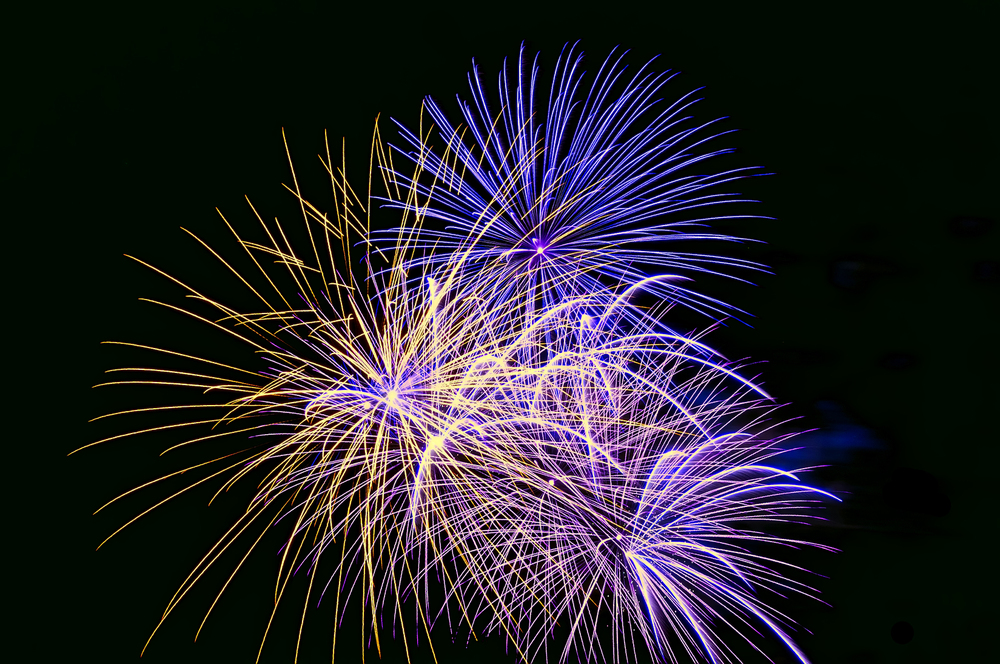
Planning a fireworks display that complements a musical backdrop is an art form in itself. While fireworks are popular for Fourth of July get-togethers, they are also a fun way to celebrate New Year’s Eve or even milestones like birthdays or anniversaries. When executed correctly, it can create a truly memorable experience, leaving audiences awe-inspired. Striking the perfect balance between the visual enchantment of fireworks and the emotional ebb and flow of music can elevate any event—from weddings to national celebrations. Here’s how to create a harmonious spectacle.
Understanding the Basics
Before diving into the intricate details, it’s essential to grasp the fundamentals of fireworks and music. Fireworks are not simply random explosions in the sky; they are carefully designed sequences. Each type of firework has its own sound, visual shape and timing characteristics. To craft a display that syncs well with music, you must first understand the different types of pyrotechnics for displays. This knowledge will help you choose the right fireworks that will resonate with the soundtrack you’re using.
For a more comprehensive look at the various types of pyrotechnics available for displays, consider this resource that explores the nuances of each type and how they can be utilized: Different types of pyrotechnics for displays.
Script the Show
Once you grasp the basics of fireworks, the next step is to script your display. A well-organized plan serves as the backbone of your show. Here are some key aspects to consider in your scripting process:
Musical Selection
• Choose Your Soundtrack Wisely: Whether you’ll be creating a soundtrack for your New Year’s Eve celebrationn or a wedding, the music you select will set the tone for your fireworks display. Consider using orchestral pieces, popular songs, or even iconic movie soundtracks—anything that resonates with your audience. The emotional weight of the music should match the visual impact of the fireworks.
• Identify Dynamic Elements: Pay attention to beats, crescendos and quieter moments in the music. You’ll want to time your firework bursts to these elements. For instance, a dramatic explosion at the peak of a crescendo can make for a breathtaking visual.
Timing and Firing
• Draft a Timeline: Create a timeline that outlines when each musical phrase occurs and where your firework effects should fall. This can be a simple spreadsheet listing time markers alongside specific fireworks.
• Consider Duration and Pace: Your audience’s experience will differ if the fireworks are too sparse or too concentrated. A varying pace—a few fireworks in quick succession followed by a pause—can build anticipation and excitement.
Technical Considerations
Feeling overwhelmed? It’s natural. Coordinating a fireworks display with music involves both artistic and technical elements.
Equipment Setup
• Use Reliable Firing Systems: Consider employing an electronic firing system that allows for precise timing. This technology can help synchronize your fireworks to the music with incredible accuracy.
• Plan for Safety: Your setup should comply with all safety regulations. Ensure ample distance between the audience and the firing site, and have fire extinguishers and medical assistance on standby.
Rehearsal
Even the most well-planned shows can go awry without adequate practice. Schedule rehearsals to ensure everything goes smoothly on the big night.
• Test the Music and Fireworks Together: A dry run will highlight any discrepancies in timing or volume levels. Adjusting for wind or weather factors is also crucial during these rehearsals.
Incorporating Audience Engagement
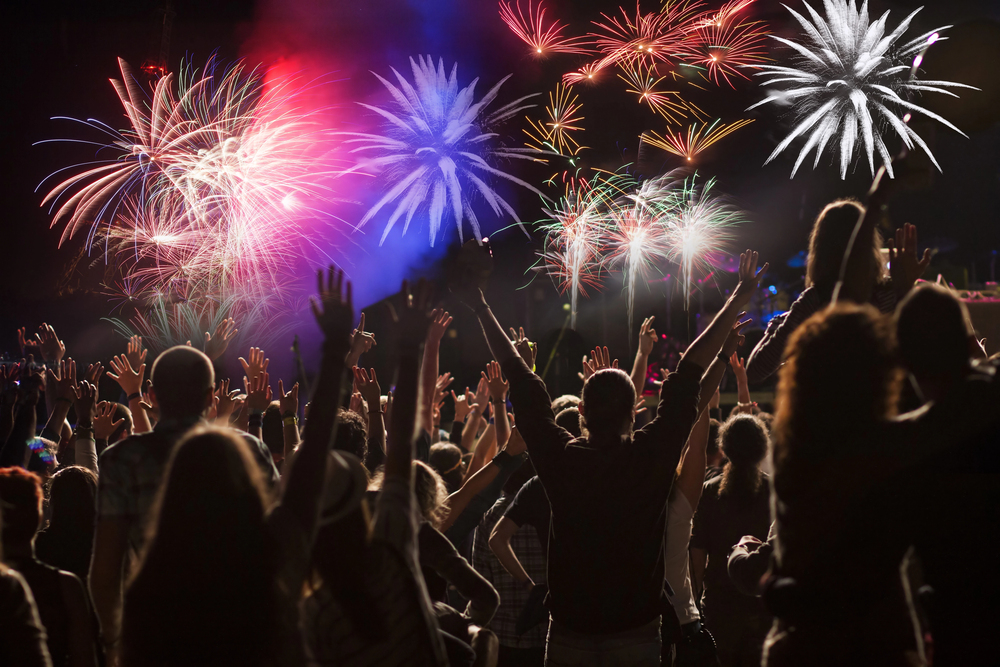
An effective fireworks display is not just about grandeur; it’s also about connecting with your audience.
Build the Anticipation
• Engage the Crowd: Consider including a countdown or even encouraging the audience to sing along to your chosen music. Making them feel involved will heighten their experience.
Create a Theme
• Thematic Shows: Planning a display around a specific theme (e.g., “A Night in Paris” or “The Seasons”) can add a layer of depth. Align the musical choices and fireworks accordingly, creating an immersive atmosphere. The theme can guide your choice of fireworks; for example, pastel-colored fireworks could beautifully represent spring.
After the Show
As your display draws to a close, it’s essential to have a plan in place for wrapping things up smoothly.
Final Touches
• Close with a Bang: Use a show-stopping finale that combines the most spectacular fireworks with the climax of your chosen track. This dramatic ending leaves a lasting impression, ensuring your audience walks away buzzing with excitement.
Gather Feedback
Once the dust has settled (literally), consider gathering feedback from your audience. It can offer invaluable insights for improving future displays. What worked well? What could be better next time?
Conclusion
Planning a fireworks display that flows seamlessly with music is a challenging yet rewarding endeavor. By understanding the nuances of both pyrotechnics and musical composition, scripting a well-timed display, and incorporating audience engagement, you can create a night to remember. The thrill of seeing lights dancing in synchrony with beloved melodies is an experience that not only entertains but also enriches the human spirit. So, as you embark on this journey, remember that the key lies in harmonizing these two forms of art to craft something truly spectacular.