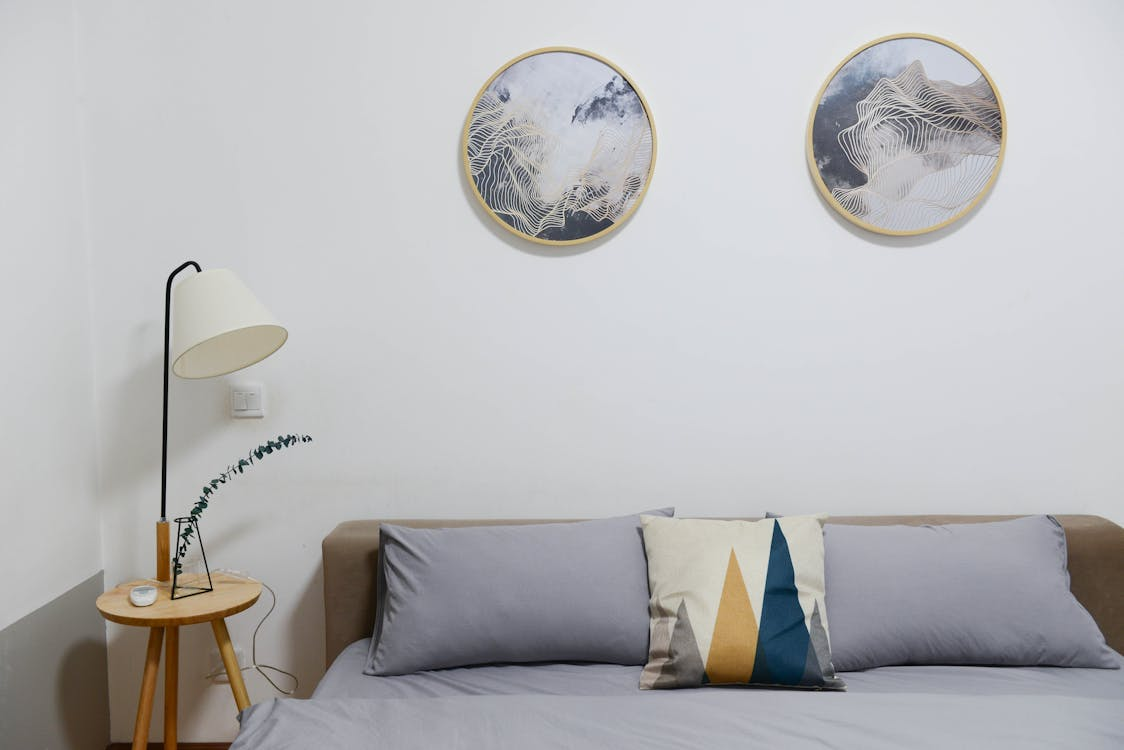
If you’re not getting the quality or quantity of sleep that you would like from your bedroom, then you might want to start by looking at the room itself and how you’re using it. In reality, a lot of us get distracted by decor and style choices when we should be designing a room around a specific purpose. The purpose of the bedroom is, of course, sleep. So, how do you make sure that you’re maximizing the space in keeping with its real objectives? Here, we’re going to look at a few upgrades you can make relatively easily and inexpensively.
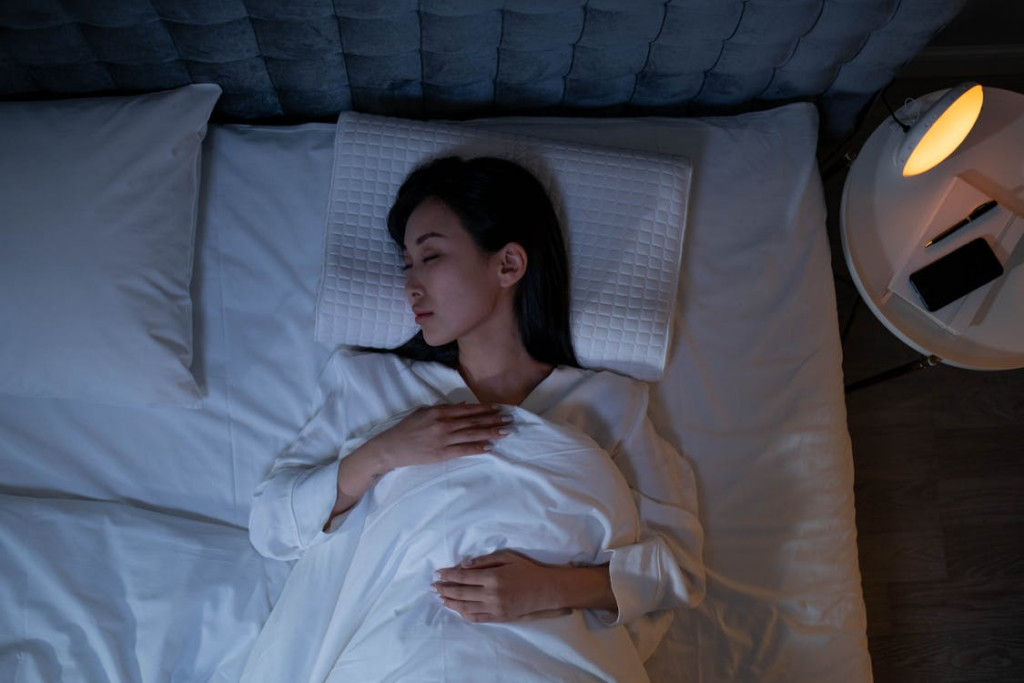
Photo courtesy of Pexels.com
Control Your Light
While you want to make sure that your room is bright during the day, darkness really is best for falling asleep at night. Excessive light signals to our brain that it’s still daytime, keeping us alert even when we’re trying to get some rest. This can be impacted not just by a late sunset or early sunrise, but also by streetlights and passing cars, as well. As such, you should think about installing blackout blinds or heavy curtains that are able to create an environment as dark as you need to get to sleep. Darkness helps your circadian rhythm remain stable, making it easier to fall asleep and wake naturally.
Soundproof the Home
Just as light can disrupt your sleep, sound can do exactly the same thing. Even if noise doesn’t wake you up to full consciousness, it can cause a lot of mini-awakenings that can prevent deep sleep, making you a lot more tired when you get up in the morning. You can use sleep tracking apps to see how much sleep you get during the night, and perhaps whether external noise plays a role in that. From movements in your neighborhood to traffic, or even household sounds, outside noise can disrupt your comfort, so consider minimizing noise by sealing gaps around the windows and doors, such as by using draft excluders or even acoustic panels in your bedroom to absorb noise. For some people, using a white noise machine to drown out environmental noise can be more effective than trying to block it entirely.
Find A Mattress That Supports You
Your bed itself plays a huge role in how well you can fall asleep, of course. At the foundation is your mattress. If your mattress isn’t comfortable, you shouldn’t be adjusting yourself to fall asleep on it despite your discomfort; you should find options that can remove that discomfort by supporting your spinal alignment, relieving your pressure points and suiting your sleeping style. Typically, you want to choose a mattress based on your preferred sleep position, as side sleepers often benefit from softer surfaces that cushion shoulders and hips, while back and stomach sleepers typically need firmer support. Material choice matters, too. It’s worth going to a mattress store to try out natural latex, hybrid and memory foam designs to see which you like best.
My husband and I recently upgraded our mattress to a hybrid mattress, and it has made a big difference! We coupled our luxury mattress with an adjustable base—so we can each raise our head or feet as we please—and couldn’t be happier!
Use Layered Bedding To Fine-Tune Your Comfort
It’s always wise to have more than just one set of bedding. Keeping a few different options on hand allows you to switch things out based on the season, your comfort preferences and your body temperature at night. The right layers can make it much easier to fall asleep—and stay asleep—no matter the weather. Rather than a single heavy duvet, you could start with more breathable sheets, add a lightweight blanket, and top it off with an insulating, comfortable layer like an organic wool comforter. This can help you regulate your warmth while ensuring that moisture doesn’t get trapped beneath, so you’re not dealing with a humid night’s sleep. That way, you’re less likely to wake up in the middle of the night sweating or feeling chilly.
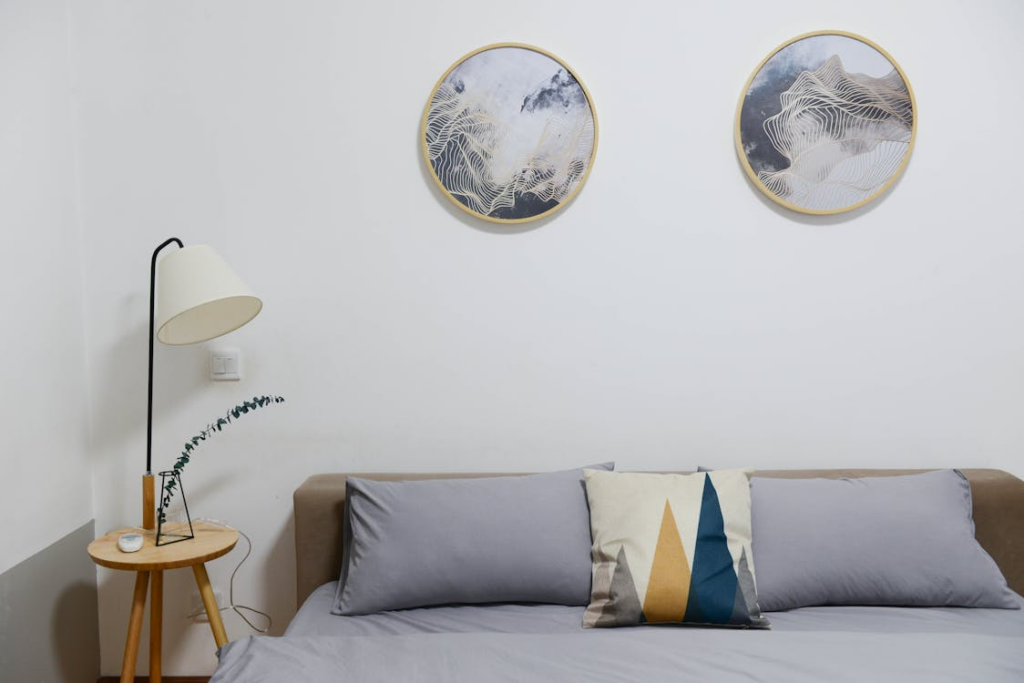
Photo by Cats Coming, Pexels.com
Keep Screens And Monitors Out Of The Bedroom
We’ve talked about how important it can be to maintain the boundary of your bedroom and prevent distractions from awakening you, but so many people invite those distractions in, to begin with—I’m guilty of that! Electronic devices stimulate the brain, which can delay the process of falling asleep. The blue light emitted by phones, tablets and computer monitors suppresses how we produce melatonin, the hormone that signals rest to the body. What’s more, if you have your phone on and notifications enabled, those pings can cause you stir even when you’re sleeping. Removing screens from the bedroom not only eliminates these real distractions but creates a bit of mental separation, making it clear that the space isn’t for the things that keep you alert when you’re awake, but for dedicated rest.
Use Calming Scents To Encourage Relaxation

Scent can make a big difference in how well we sleep. The sense of smell is deeply connected to the nervous system, affecting our mood and stress much more than you might imagine. Using gentle, natural fragrances like lavender, chamomile, or sandalwood can be great for getting the body into a more relaxed state of being. Using calming scents in the bedroom, be it with an oil diffuser, pillow spray, or light scent on your linens, will not only create a much more peaceful and calming environment, but it can also feel like a nightly ritual that helps you settle down into an ideal mood for sleep. However, avoid using candles at bedtime. Not only do you not want a fire risk in the bedroom, but they can be a little heavier in the environment, affecting the air quality, which can make it more difficult to relax.
A Clear Room Makes For A Clear Mind
If your bedroom is cluttered, then it can also create a degree of mental tension that can make it a lot harder to relax. Visual noise can distract you with the thought of unfinished tasks, which can make your brain more alert than you might think. Keeping the bedroom clean makes it a lot easier to relax, which in turn helps you drift off to sleep more easily.
A good bedroom doesn’t likely need a whole remodel to do its job well. Most of the time, you just need to spend a little time optimizing the space with sleep in mind.
This post contains Amazon affiliate links.