For homeowners across the United States, heating and cooling systems are much more than basic utilities. They’re the hidden backbone of a comfortable home—the difference between a space that feels calm and welcoming and one that constantly feels too hot, too cold, or just hard to manage.
With more frequent extreme weather, these systems play an even bigger role in everyday life. They can affect how comfortable your home feels, how much you spend on energy bills each month, and even the long-term value of your property. This sometimes overlooked infrastructure can determine whether your home feels like a sanctuary or a constant struggle. And as extreme weather events become more frequent, the performance of your home’s heating and cooling systems will even more directly impact your daily life, monthly household expenses and your property’s long-term value.
Unfortunately, many homeowners only think about these systems when something goes wrong—often during the hottest or coldest days of the year. That reactive approach can lead to stressful and costly surprises at exactly the wrong time.
By taking the time to understand how modern heating and cooling systems work, homeowners can move from a “fix it when it breaks” mindset to a more proactive approach. This not only will help reduce energy waste and avoid unexpected repairs, but can also support a more comfortable, efficient and long-lasting home.

The demand for reliable indoor climate control isn’t the same everywhere—it depends heavily on both geography and how homes are built. In humid subtropical regions, including much of the American South and parts of the Southwest, HVAC systems are under constant pressure. They have to manage long, hot summers where temperatures regularly exceed 95°F, while also handling winter nights that can still drop below freezing.
Although cooling accounts for about 12% of residential energy use nationwide, that share is much higher in areas with long, intense summers. In these regions, system performance isn’t just about comfort—it also affects household budgets, especially when peak demand drives electricity prices higher. In fact, reviewing the latest Texas household energy use by end-use data illustrates just how much a home’s energy costs are shaped by the efficiency of these systems.
Why High-Stress Climates Demand Technical Precision
Regions with consistent temperature extremes challenge HVAC equipment in ways that national averages simply do not capture. When outdoor temperatures hold in the triple digits for weeks at a time, a system that might run 8 to 10 hours daily in a moderate climate is forced to run 14 to 16 hours instead. That accelerated workload shortens the functional lifespan of compressors, fans and refrigerant lines.
Beyond temperature control, effective systems must also manage indoor moisture levels to prevent mold growth and maintain genuine comfort. These combined demands make a proactive equipment strategy the only cost-effective path for protecting the home’s interior over the long term.
The mechanical industry measures quality air conditioning performance across three core dimensions:
- Installation Precision: The initial installation determines whether a system ever reaches its rated performance. Improperly sized equipment, whether oversized or undersized, creates ongoing problems that routine maintenance cannot fully correct. Oversized units short-cycle, cycling on and off too frequently to dehumidify the air properly while wearing out electrical components ahead of schedule. Undersized systems run continuously without reaching target temperatures, driving up costs while still falling short on comfort.
- Operational Efficiency: Efficiency is quantified by the Seasonal Energy Efficiency Ratio (SEER), which measures cooling output per unit of electricity consumed. Federal standards require a 14 SEER minimum, but modern high-efficiency models often reach 20 SEER or higher, potentially cutting cooling costs in half compared to equipment from a decade ago. Industry professionals consult high-efficiency residential cooling standards to evaluate how variable-speed technology adjusts output in real time. Unlike traditional single-speed compressors, variable-speed systems reduce energy waste and significantly improve humidity control. Ductwork integrity also matters here, since duct losses can account for more than 30% of energy consumption in a typical home.
- Maintenance Consistency: Consistent maintenance determines how long a well-installed, efficient system actually holds up. This is covered in detail below.
Identifying Common Regional Failure Patterns
High-heat and high-humidity climates create predictable failure patterns. Recognizing these early reduces the cost and disruption of repairs significantly.
Refrigerant Leaks
Refrigerant leaks rank among the most frequent service calls in hot climates, typically caused by vibration, corrosion, or defects in the refrigerant lines. As refrigerant escapes, cooling capacity drops while energy consumption rises. A common misconception is that refrigerant gets consumed during normal operation. In reality, any loss indicates a leak that requires professional diagnosis and repair.
Electrical Component Failures
Capacitors face significant stress during sustained high temperatures and typically require replacement every 5 to 7 years in extreme climates. Early symptoms include a humming sound from the outdoor unit or a failure to start entirely. Technicians handling air conditioning repair in high-heat markets inspect electrical storage components first to confirm the compressor can engage without resistance.
Drainage Problems
In humid regions, systems can generate over 20 gallons of condensate daily during peak summer. When condensate lines clog with algae, mold, or mineral debris, water backs up into drain pans and can trigger safety shutoffs or cause interior water damage. High-mineral-content water areas also produce scaling in secondary drain pans, which experienced technicians account for as a routine part of any quality AC and heating service call. Mike Tschaar Heating & AC, Quality Cooling Heating & Plumbing, and Abilene Air Services are among the HVAC companies serving the Abilene, TX area and surrounding communities including Georgetown that maintain active credentials to address these infrastructure needs. Catching drainage and electrical issues early consistently prevents the more costly structural damage that follows when they are left unaddressed.
The Real Value of Preventive Maintenance
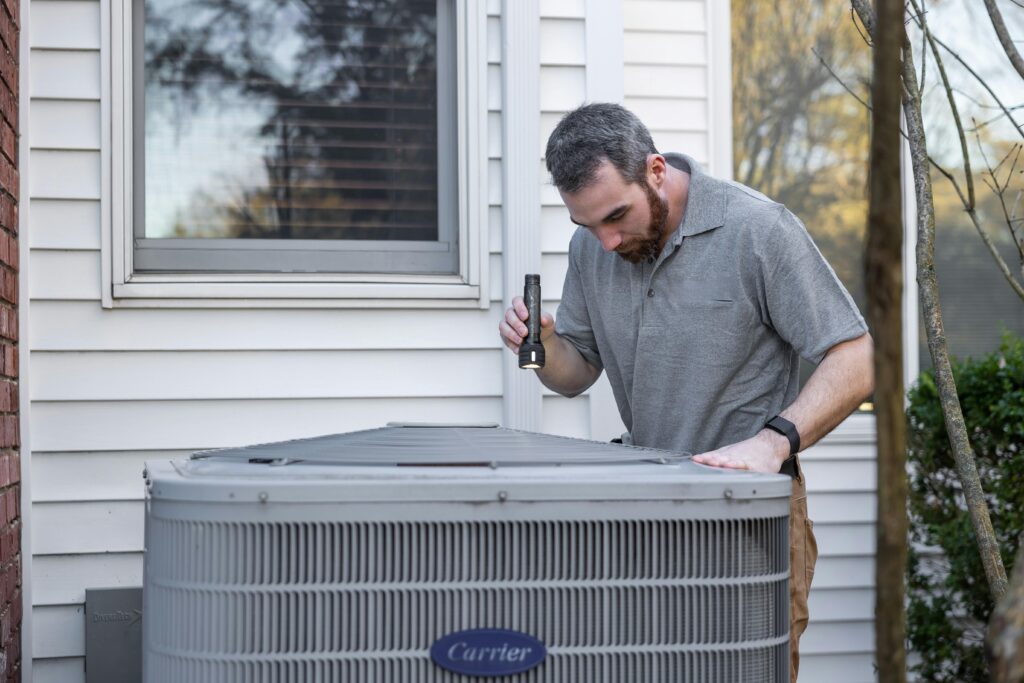
Routine maintenance costs a fraction of emergency repair. An HVAC system operating in a high-heat zone accumulates mechanical wear significantly faster than equipment in a temperate climate. A comprehensive service visit should cover:
- Refrigerant level verification
- Electrical connection inspection
- Condensate drain flushing
- Outdoor condenser coil cleaning
- Indoor evaporator coil cleaning
Dust accumulation on coils forces the system to work harder and run longer, compounding wear across every component. Homeowners can support system health between professional visits with a few consistent habits:
- Filter Replacement: Changing or cleaning filters every 30 to 90 days prevents blower motor strain and maintains steady airflow throughout the home.
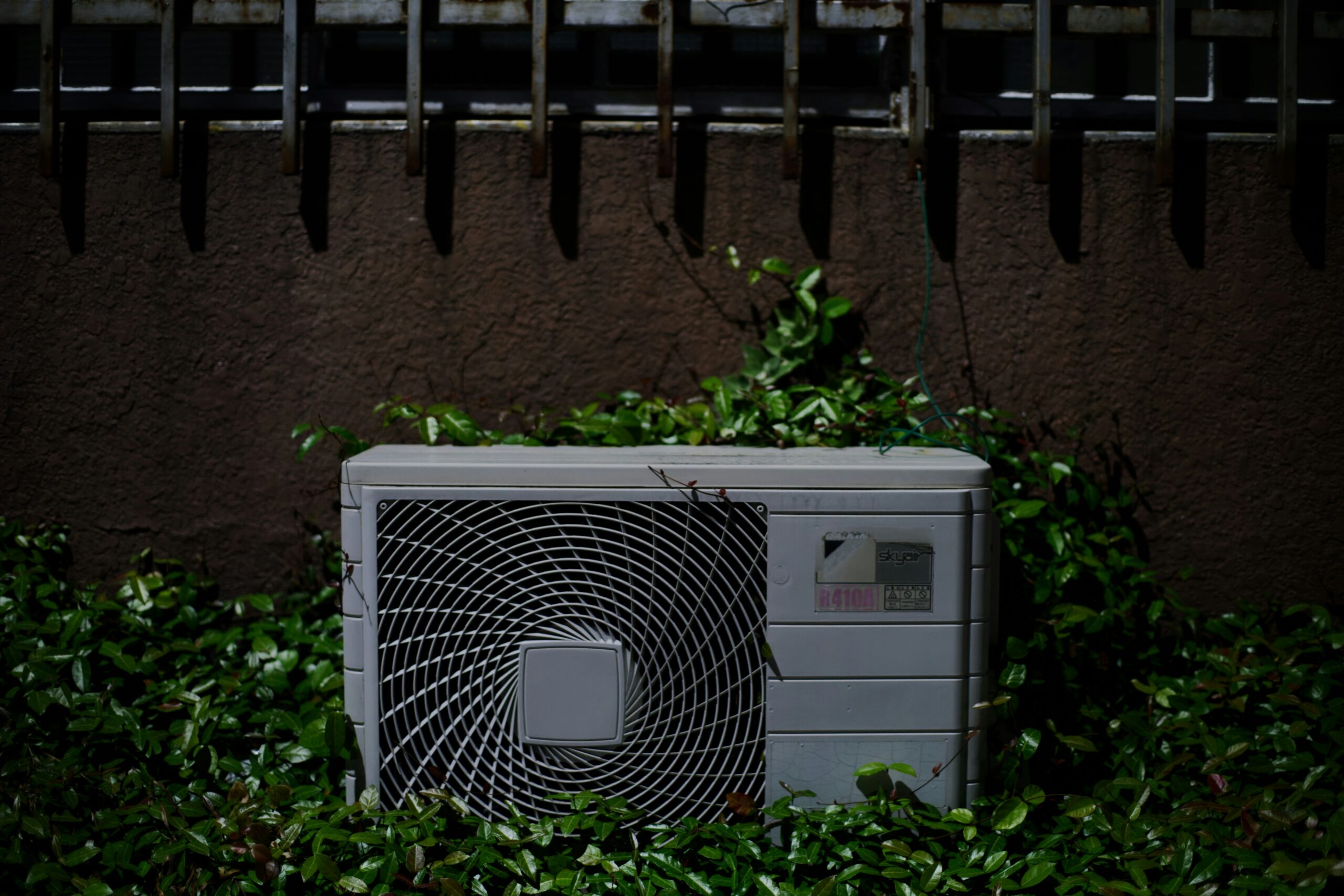
- Outdoor Unit Clearance: Keeping 2 to 3 feet of clear space around condenser units prevents airflow restriction during peak operation.
- Register Inspection: Supply and return vents blocked by furniture or curtains reduce system efficiency and strain the blower.
- Noise Monitoring: Grinding or rattling sounds from any part of the system are early warnings worth acting on before a minor issue becomes a full mechanical failure.
For homeowners in high-heat zones, scheduling ac repair in Abilene or similar high-demand markets before peak season arrives is consistently more cost-effective than an emergency call mid-summer. In southern and southwestern markets, where occasional winter freezes add stress to already high-use equipment, these habits carry even more weight.
Heating Systems and Emerging Technologies
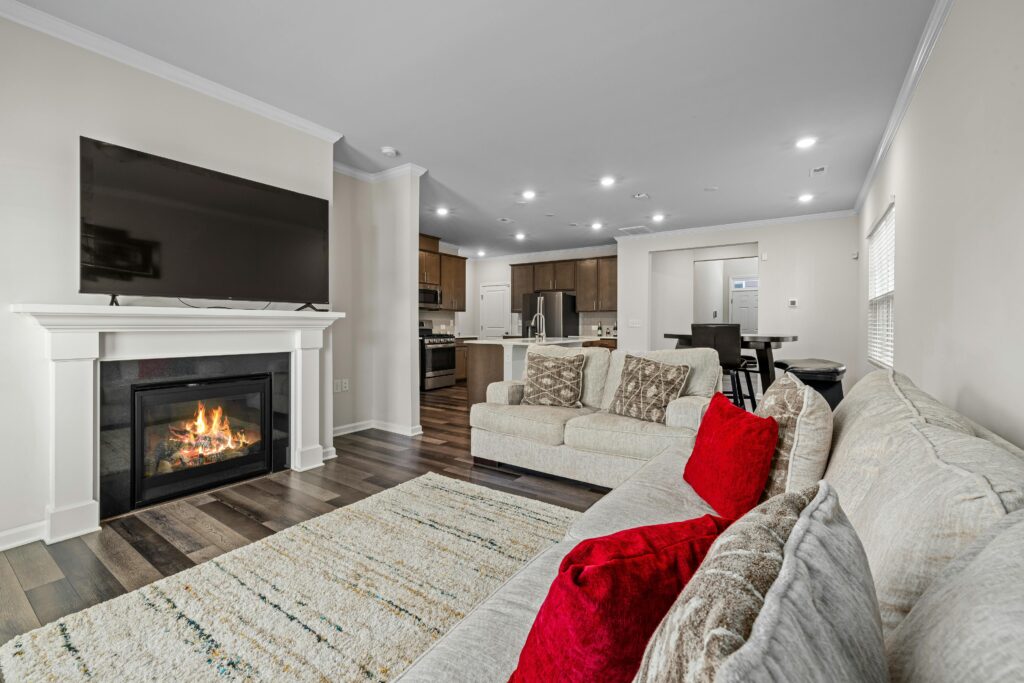
While summer cooling tends to dominate the national conversation around home comfort, heating reliability is equally important. In many southern regions, overnight lows regularly reach the 30s during winter, and hard freezes can damage homes that are not adequately prepared.
Most modern homes use one of two primary heating approaches:
- Heat Pumps: These systems use the existing air conditioning infrastructure and simply reverse refrigerant flow to extract heat from outdoor air. They operate efficiently down to around 35°F, below which supplemental electric resistance heat engages. For homes in mild-winter climates, heat pumps offer a cost-effective solution that consolidates heating and cooling into one system.
- Gas Furnaces: These provide more robust output during extreme cold snaps but require separate fuel infrastructure and ongoing fuel costs.
The HVAC industry is in the middle of its most significant technological shift in decades, driven by tightening efficiency mandates and growing consumer demand for smart home integration. The technologies generating the most interest among quality air heating and cooling professionals include:
- Variable Refrigerant Flow (VRF): These systems deliver refrigerant directly to multiple indoor units, cutting duct losses and enabling simultaneous heating and cooling in different zones of the same building.
- Smart Diagnostics: Embedded sensors monitor motor currents, refrigerant pressures, and airflow in real time, alerting homeowners or contractors to developing problems before a failure occurs.
- Advanced Filtration: MERV 13 to 16 filters combined with UV-C light systems neutralize airborne pathogens and chemical contaminants, improving indoor air quality throughout the year.
Before the Next Season
The decisions homeowners make about their heating and cooling systems have consequences that extend well beyond monthly utility bills. Research from the U.S. Department of Energy consistently shows that HVAC systems account for nearly half of total residential energy consumption in the United States, making them the single largest energy expense in the average home. In high-use climates across the South and Southwest, that share climbs even higher.
The evidence across the industry points to three consistent conclusions:
- Proper sizing at installation is the most important single factor in long-term system performance. No amount of maintenance compensates for equipment that was wrong for the home from day one.
- High-efficiency equipment pays for itself in high-demand climates. The cost premium on a 20 SEER system over a 14 SEER unit is typically recovered within three to five years of operation in extended cooling seasons.
- Preventive maintenance is the most reliable way to protect that investment. Industry data indicates that well-maintained systems last 15 to 20 years, while neglected systems in high-stress climates may fail in half that time.
Beyond the numbers, a decent quality AC and heating infrastructure shapes the livability of a home in ways that are hard to quantify. Consistent temperature control, managed humidity, and clean filtered air all contribute to health outcomes, sleep quality, and the kind of daily comfort that most people only notice when it is gone. For those who haven’t had their systems professionally evaluated recently, the best time to do so is before the next peak season begins. The cost of a maintenance visit is predictable. The cost of an emergency breakdown on a 102-degree afternoon is not.