
Photo courtesy of depositphotos.com
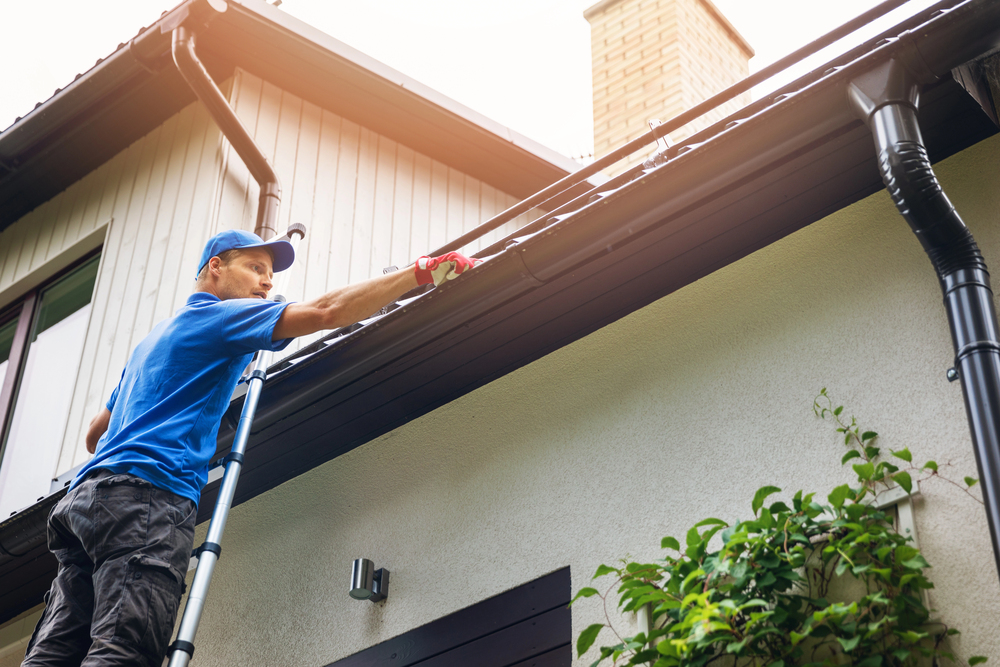
For many DIY home improvement projects, a ladder is the go-to piece of equipment. However, it’s important not to underestimate the risks of this otherwise handy tool. Without proper ladder safety precautions, it can become a serious hazard, resulting in a fall that could sideline you for days or even months with painful injuries.
If you don’t take proper precautions before climbing a ladder to clean gutters or change a lightbulb, you could end up sidelined during important family events or holidays.
While it may seem excessive to apply professional construction standards at home, the safety protocols used by construction workers and other professionals on job sites offer valuable lessons for all of us. If you’re a DIY enthusiast, taking the time to do a project once—and to do it safely—always pays off.
Consider these ladder-safety tips to help reduce the risk of injury and keep your DIY projects on track.
Select the Proper Tool
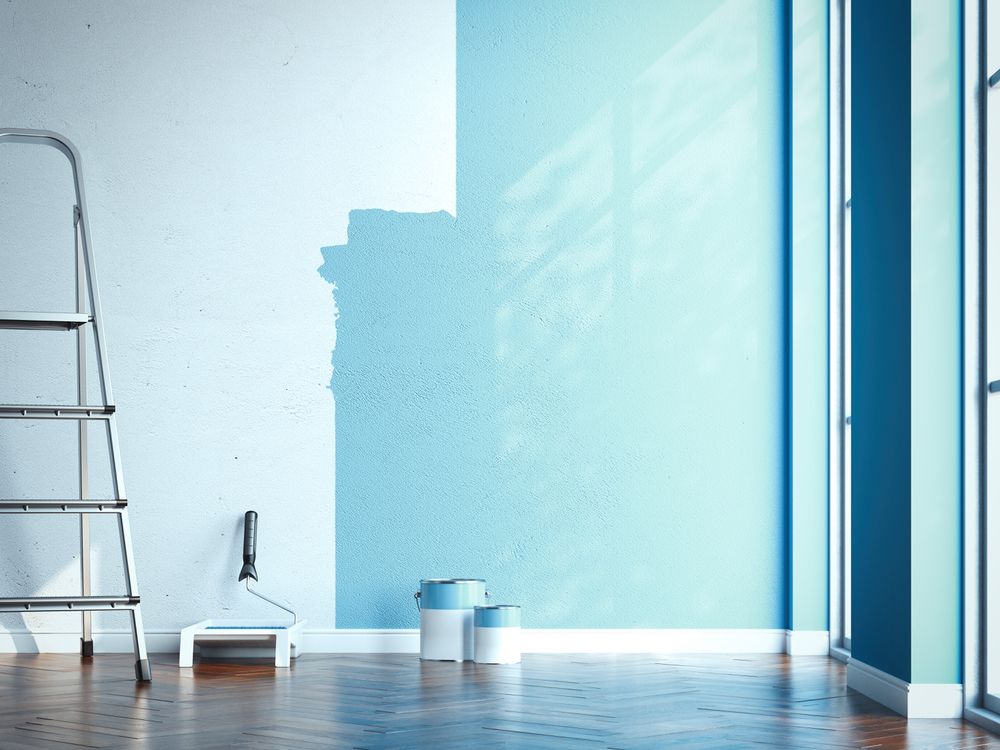
Not all ladders are created equal. For household work such as changing a lightbulb, a well-made step stool or A-frame ladder makes perfect sense; some taller folding step ladders even include helpful handrails to provide extra stability. When working on a project outside, such as painting the second story of your home or clearing debris from its gutters, you’re going to require an extension ladder.
When shopping for a step stool or ladder, be sure to check the products’ duty rating (weight capacity) to ensure that the one you end up choosing will fully support you and any large tools you’re carrying.
Don’t make the same mistake I did—after I got my awesome, but hight Nectar adjustable bed, I put a plastic toddler step stool beside it to make climbing into it easier. One night, my foot went straight through the top step! Thankfully, I wasn’t hurt, but it was a clear reminder that using the right equipment really matters! I keep a very steady and attractive wooden step stool designed to support an adult by my bedside and have scrapped that old plastic toddler one!
Go for Stability
The 4-to-1 Rule, a long-established industrial safety standard—is a practical guideline to follow that simply makes sense. Stability is all about the angle. For every 4 feet in height a ladder reaches, the base should be 1 foot away from the wall. This golden ratio ensures that the ladder is not tilted backward or sliding from underneath you.
If you’re reaching heights of 16 feet or more, your base must be 4 feet away from the house.
Keep Three Points of Contact
Again, the golden standard used by professionals should be followed by DIYers as well. Whether you’re climbing up or down, you should always have a minimum of three limbs on the ladder, either two hands and one foot or two feet and one hand. This makes it much less likely that you will lose your balance. For your safety, never stand on a ladder with only one foot or remove both hands from it.
The Overreach
Many of us have done it—overreaching is one of the most common causes of ladder falls. A simple way to stay safe on a ladder is to keep your midsection—around where your belt buckle sits—centered between the ladder’s side rails. This helps maintain balance and keeps your center of gravity in the right place. If you discover that you need to overreach to get to a spot, it’s time to climb down and move the ladder.
Inspect Before You Step
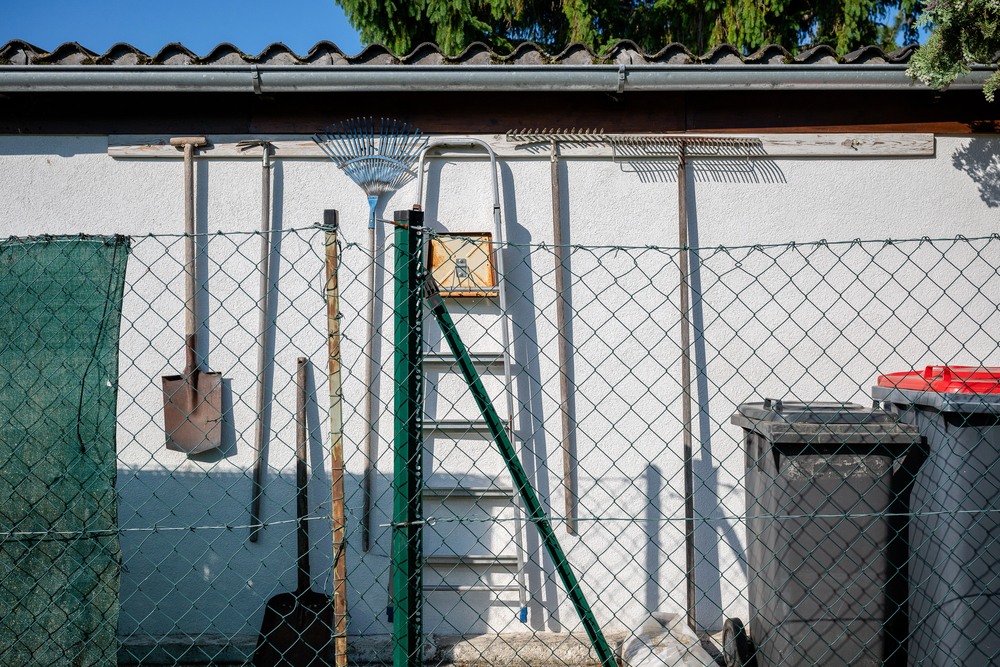
Photo courtesy of depositphotos.com
Ladders are often stored outside or in garages or sheds, where dust, dirt, and moisture can build up. Because ladders aren’t used every day, it’s important to inspect them carefully before each use. Humidity can lead to rust, which may weaken the ladder and compromise its stability. Take a moment to check for loose screws, slippery surfaces, or cracked or broken rungs. The last thing you want is to discover that your ladder isn’t safe or secure once you’ve already started using it.
Clear the Decks
Always place your ladder on firm, level ground. Avoid setting it on slopes, uneven mulch, boxes, or pallets. If you’re working near a door, be sure it’s either locked or securely propped open to prevent anyone from accidentally swinging it into your ladder while you’re on it.
Avoid the Top Two Rungs
The top two rungs of a ladder are not meant for standing. Using them can make a ladder top-heavy and unstable. If you need extra height, it’s much safer to switch to a longer ladder.
Advice From Professionals
No matter where you live—Illinois, New Jersey or Florida—ladder safety is a no-brainer. We think of our homes as our safe place, but some home improvements or bigger jobs can place us in danger and are best left to the professionals. The legal and medical implications of ladder fall accidents on job sites or in your own home can be a very serious matter.
Because states recognize how serious a fall from a high ladder can be, professional contractors must follow strict safety standards. As a homeowner, adopting the same precautions—such as using stabilizer bars or wearing slip-resistant shoes—can help prevent injuries that may keep you off your feet for months. And if a job feels beyond what you can safely handle, there’s no shame in hiring a professional.
For your protection, always hire a professional who is properly licensed and insured, such as with workers’ compensation coverage. If an uninsured worker were to fall from a ladder on your property, you could face a complex and costly legal liability.
Conclusion
Protecting your investment with yearly maintenance—cleaning gutters, repairing broken windows, and the like—is important, but many of these tasks carry real risk. Skip a trip to the ER and leave the more dangerous jobs to a professional.
This post contains Amazon affiliate links. If you click on an affiliate link, I may earn a small commission that helps to fund this blog. Thanks!