
Outdoor spaces shift with the seasons, and concrete often shows those changes first. A patio that once felt even can develop a slight dip. A driveway can lean just enough to send water in the wrong direction or snag a stroller wheel. These changes usually happen quietly, then suddenly feel impossible to ignore.
Concrete never stays frozen in time. Soil settles, moisture moves beneath the surface, and older slabs adjust to the ground below them. The encouraging part is that these issues rarely demand demolition. A simple maintenance step can restore a surface to its original position and help it last for years.
Why Concrete Sinks or Shifts
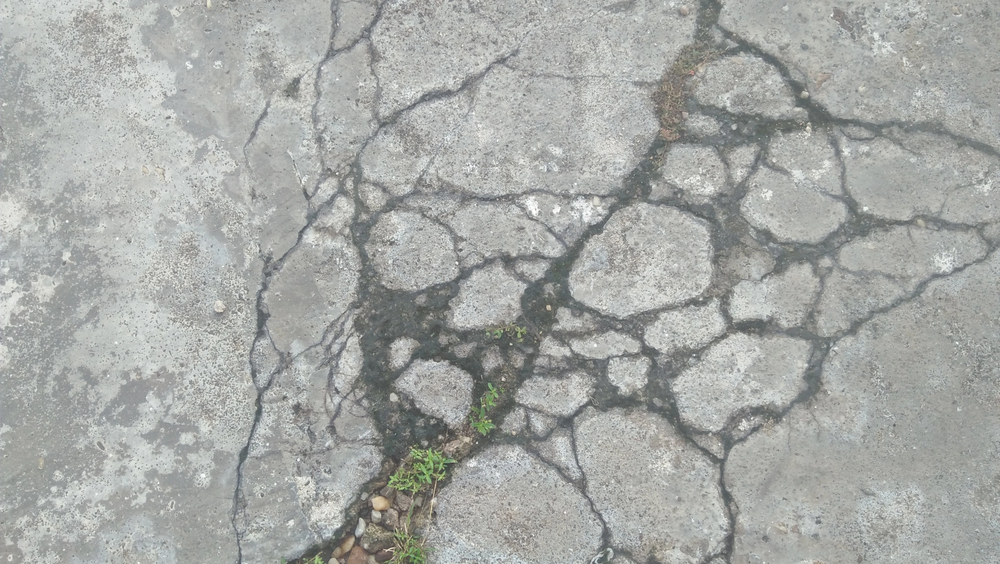
Concrete seems solid, but the earth under it is always in motion. Heavy rain can wash soil away from walkways, while long, dry periods leave loose pockets that no longer support the slab. Tree roots sometimes lift one corner as nearby soil sinks. Even well-poured concrete reacts to seasonal freezing and thawing when moisture expands and contracts underground.
These shifts are subtle at first. A patio settles along one side, changing the slope. A driveway sinks just enough to create a low area near the garage. Walkways can rise or dip slightly, turning a smooth surface into a tripping point. The changes build slowly, yet over time they affect how the whole space works.
Problems Caused by Uneven Concrete
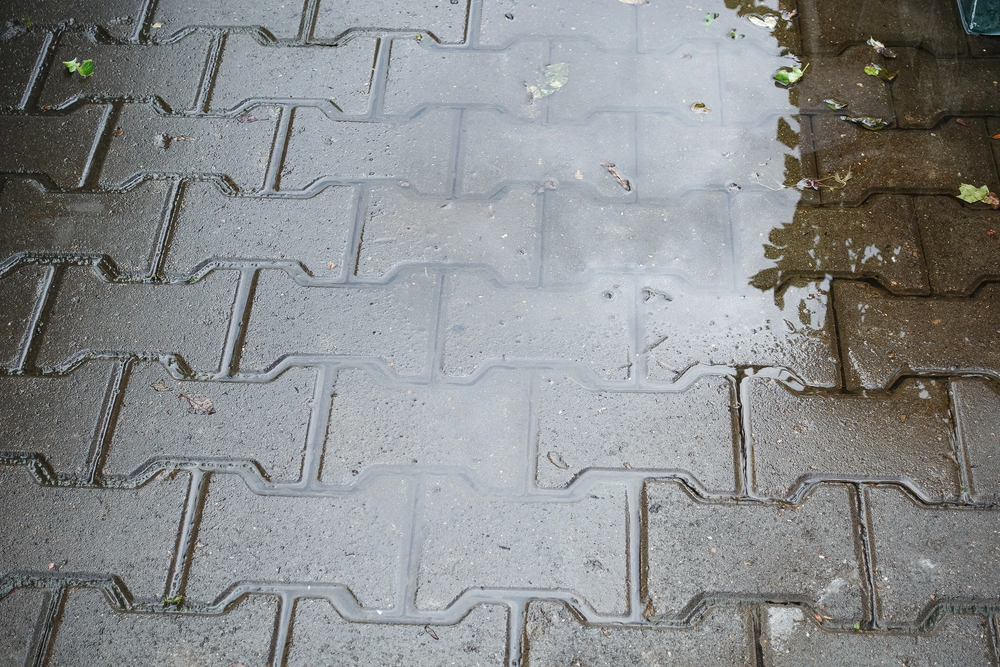
A slight change in height can reshape the way an outdoor area functions. A walkway with a shallow dip holds water after rain, creating slick spots that are easy to miss. A driveway that leans toward the house pushes runoff in the wrong direction, turning routine storms into cleanup sessions. On a patio, shifting slabs make chairs wobble and create small hazards where people gather.
Kids running around pick up on these changes right away. Raised edges catch toes, and low spots become puddle magnets. These shifts also affect the concrete itself. Water that sits too long encourages cracks to widen, and the edges of the slab begin to wear down. What begins as a minor tilt can eventually change the way the entire surface holds up.
How Location Changes the Way Concrete Gets Repaired
Concrete problems show up everywhere, but the reasons behind them vary from region to region. Climate, soil and local building rules guide how contractors approach repairs and what homeowners usually see in an estimate.
In Pennsylvania, older neighborhoods and small towns often deal with gradual settlement after years of freeze-and-thaw cycles paired with steady rainfall. Slabs tend to sink near softer patches where water collects or where the original soil wasn’t packed firmly enough. In these areas, homeowners sometimes look into concrete lifting in Quarryville, PA, when a driveway begins to dip, or a patio forms a slow-growing low spot. Contractors in the region recognize these patterns and tailor their recommendations to the local terrain.
Other regions contend with a different set of challenges. The upper Midwest sees more aggressive winter heaving that pushes concrete upward before it finally drops as the ground softens. Parts of the South with clay soil deal with dramatic shifts after extreme dry spells or heavy rain, which change how deep repairs must reach to stay effective. Coastal communities often worry about washout and corrosion, and some cities apply special rules for work near public walkways. Prices, warranty expectations, and recommended repair styles shift with these factors, so comparing regions highlights how local conditions guide the right approach.
How Concrete Lifting Works
Concrete lifting rebuilds support beneath a slab by filling the empty spaces that allow it to sink. A contractor drills a few small holes, injects material beneath the surface, and raises the slab back to its original height. Once the position looks right, the holes are sealed, and the area is cleaned, leaving the repair almost invisible.
Many contractors use expanding polyurethane foam because it sets quickly and flows into tight spaces. Traditional slabjacking uses a cement-based grout that is pumped under the slab until it lifts. Concrete Network explains what slabjacking is and outlines the process, along with the types of problems it solves. Knowing how each method works helps homeowners understand the recommendations they receive and choose a style that suits their yard and climate.
When to Seek a Professional
Some concrete issues hold steady for years, while others change from one season to the next. A driveway that settles more each spring, a walkway that shifts after every storm, or a patio where puddles grow wider are signs that the soil below is losing strength. Leaving the problem alone often makes the voids larger and the repair more involved.
A professional can tell whether the surface needs attention or if the issue is still only cosmetic. They examine crack patterns, measure height changes, and check nearby drainage to identify potential sources of stress. Their assessment gives you a clearer picture of what is happening below ground and whether lifting will restore stability before the problem spreads.
Preventing Future Settling
Concrete stays in better shape when the ground under it remains firm. Simple yard adjustments help more than most people expect. Rerouting downspouts, smoothing out spots where water gathers, and reinforcing soil along the edges of walkways and driveways all support the slab. Even quick checks after storms or refilling areas where soil has washed away can slow the movement that leads to sinking.
Surface care adds another layer of protection. Sealing cracks keeps water from slipping underneath, and regular cleaning prevents debris from trapping moisture. These small steps create a more predictable space that lasts longer and feels easier to maintain. The same habits that focus on keeping your home in top shape often start right here, with small repairs outside that protect the areas your family uses every day.
The Payoff of Tackling Concrete Issues Early
Concrete rarely asks for much, yet the moment it shifts even slightly, the whole outdoor space feels different. A simple lift can restore the smooth, steady surface you expect and keep daily routines running smoothly without surprises. Addressing the issue early preserves the character of the yard and keeps everything working the way it should.