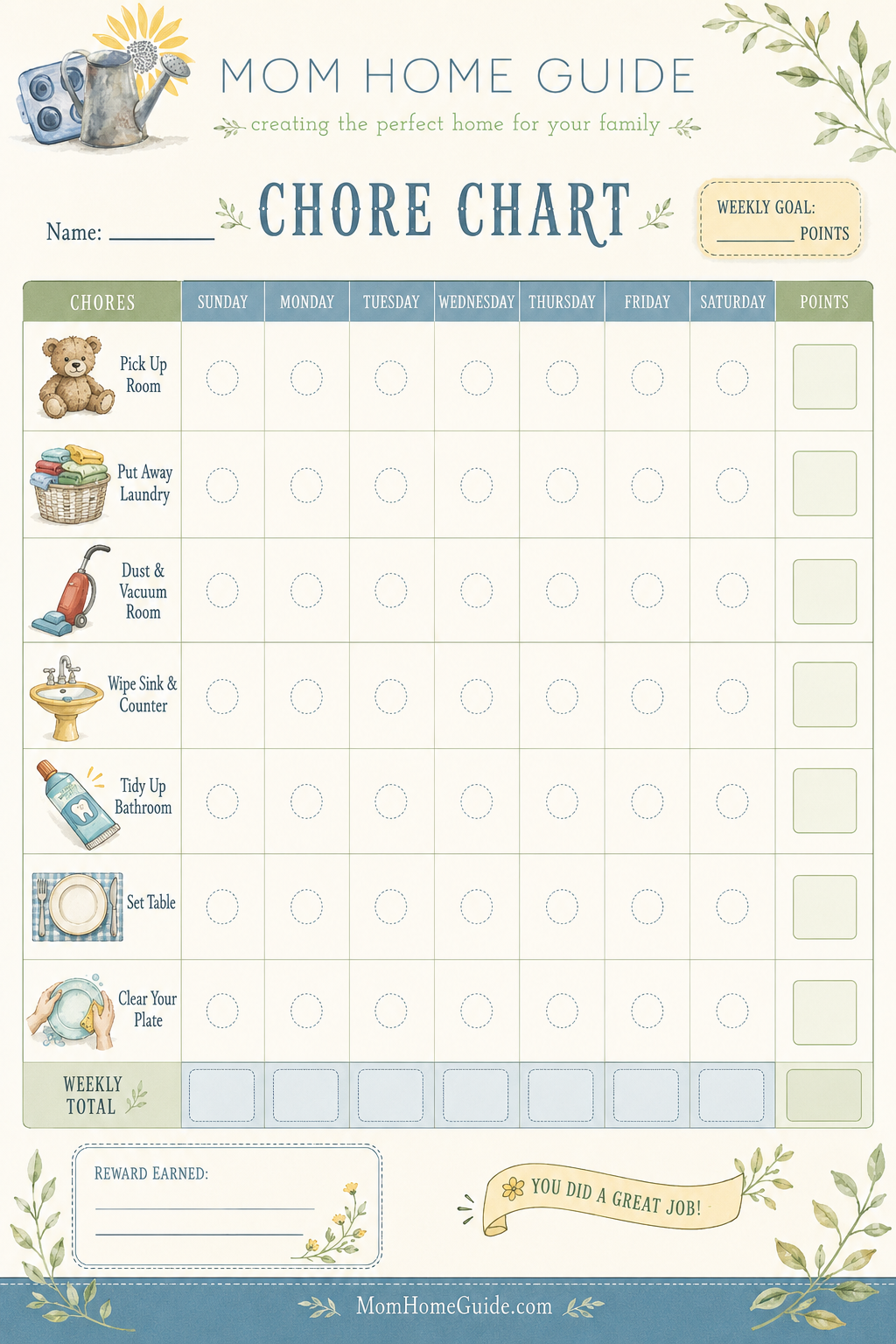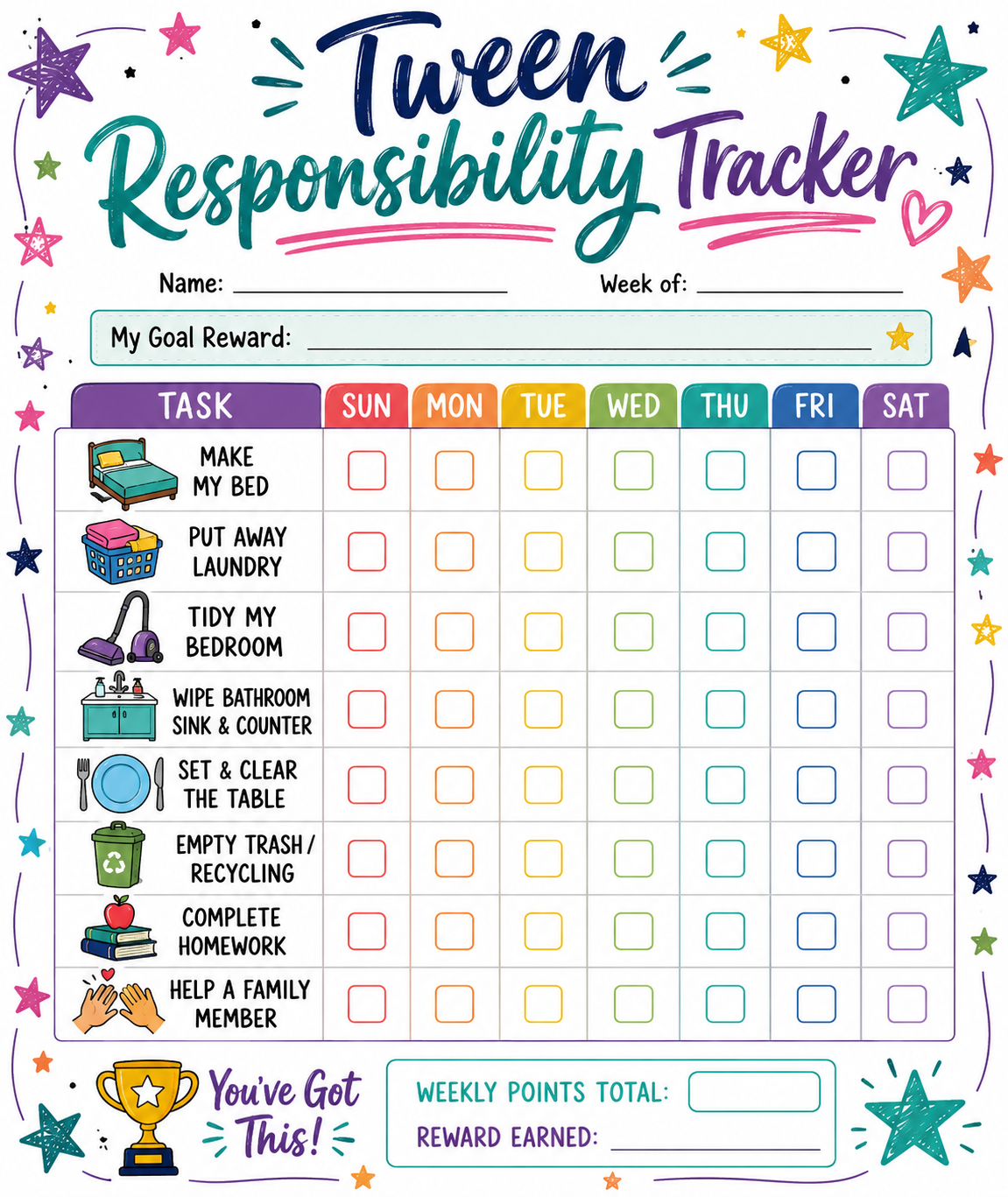

Congratulations on your new baby! For this blog post, Mom Home Guide has highlighted some product selections that we recommend. Enjoy!
Preparing for a new baby is exciting, but it also comes with a lot of decisions. Things like where the baby will sleep, what do you actually need? How are you going to prepare your home for their arrival?
The key is to focus on space, simplicity and keeping your routines as normal as possible. Whether you live in a one-bedroom apartment or a house with a dedicated nursery, there are easy ways to make the most of what you already have.
Here’s how to prep your home for a new baby without turning it upside down.
Create a Baby Zone, Not a Baby Room
You don’t need a separate nursery right away. Many families choose to keep the baby close at night for easier feedings and peace of mind. All you need is a safe sleeping setup, a safe surface for diaper changes, and storage for basics like diapers, wipes and onesies.
You could use a corner of your bedroom or a quiet space in the living room for much of your baby’s care. Add a small bookshelf or rolling cart to keep daily items within reach. This will help to keep things functional without cluttering your space.
Many people are eager to set up a nicely decorated baby room; however, in reality, your baby will likely spend their first year in your bedroom with you instead. It’s fine to want to get organized and have somewhere to store a few baby items, but don’t stress about having a picture-perfect nursery until they are at least 1-years-old. It could be a nice project for their first birthday!
Choose Gear That Grows With Your Baby

To avoid busting your budget, look for multi-use items — such as a bassinet that turns into a crib, a changing pad that fits on top of a dresser, or a high chair that is adaptable as your child grows. Such a tactic will reduce the number of things you’ll have to get (helping both the earth and your wallet) and will allow you to avoid having to replace items every few months.
When it comes to proving sleeping quarters for your child, size matters. Before buying, compare different crib sizes to find what fits your space and your long-term plans. For example, a mini crib might be perfect for a small room, while a convertible crib can last into toddler years.
If you’re thinking of saving money, one of the best things you can do is to get a cotbed; these convert from a crib to a toddler bed when they get to around 2 to 3 years of age, meaning, you haven’t got to go out and buy another bed when they make this transition.
Rethink Your Storage
Baby clothes are small, but they add up fast. Same with bottles, toys and all the extras that come in. The best way to stay ahead of the mess is to build storage into your everyday spaces.
You could use baskets under the couch, bins under the crib, and drawer dividers in shared dressers. Hooks behind doors and slim rolling carts can hold a surprising amount without taking up floor space. There are lots of ways to add storage to a kid’s room!
Don’t forget to rotate your baby gear. Keep only the current size and season of clothing accessible. Store the rest in labeled containers to pull out when needed. Babies grows through clothes ridiculously quickly, so a great tip is not to overbuy. If you plan to have more children, you may also need to think about storage for any clothing in good shape that your next child may need.
Keep Common Areas Kid-Friendly

Babies don’t stay still for long. Once your child starts crawling, your whole home becomes a play space. You don’t need to buy baby-proofing supplies right away, but it helps to make your main areas safe and easy to manage.
Add soft rugs, put bumpers on sharp corners, and keep cords tucked away. Use furniture that can take a little wear. And have a basket for quick toy cleanups before guests arrive or at the end of the day.
Beyond safety, it’s also important to make time for moments of calm and creativity. A small, low-maintenance activity can help you and older children unwind together. For instance, you can create beautiful art with paint by numbers, which is easy to set up in a corner and provides a satisfying, peaceful break amid the daily bustle.
Stick to Your Routines When You Can
Babies bring change, but that doesn’t mean everything has to shift. Keep your bedtime routine, shared meals and weekend traditions. These small rituals can give kids a sense of security, especially when a new sibling arrives.
Try to keep your home life predictable. It helps older kids adjust and makes your space feel like a calm base during a time of big transitions.
Prep for Visitors Without Stress
Friends and family will want to meet your new baby. That’s a good thing. But a steady stream of visitors can add pressure, especially if your space is small or if you’re feeling tired.
Have a plan. Set boundaries. Let people know when it’s okay to visit and when you need rest. Prep a small basket with extra snacks, clean towels, and spare toiletries so guests can help themselves.
Keep visits short and focused. Most people are happy to stop by, hold the baby, and then head out. Don’t feel the need to entertain.
Include Everyone in the Transition
Adding a new baby can affect the whole family. Allow everyone to feel involved. Let older kids help choose outfits or organize diapers. Ask your partner to set up the sleep space or stock the fridge.
Talk openly about what’s changing and what’s staying the same. When everyone feels part of the team, the adjustment becomes smoother.
Keep It Simple
Remember: You don’t need the trendiest nursery or every gadget. What matters most is feeling ready in your own way. Choose items that fit your lifestyle and space. Leave room for things to evolve as your baby grows.
The early months move fast. Having a calm, functional setup helps you focus on bonding and rest instead of finding storage for one more thing.
Final Thoughts
Your home doesn’t have to be perfect before your baby arrives. It’s just important that it works for you and your family. Make space where you need it, stay as flexible as possible, and focus on what helps you to feel calm and ready.
Babies need care, not clutter. With a few smart setups and a little planning, your home can be a warm, welcoming place without turning into a toy store.
Look around your home. What can you adjust today to make room for your new baby and all the changes along the way?