As moms, we’re often juggling a multitude of tasks throughout the day, from preparing meals for
the family to managing our homes and keeping everything running smoothly. The kitchen, as
the heart of the home, plays a central role in this daily routine. However, it’s not just about cooking meals, it’s about creating a space that is both functional and comfortable for your
family. One of the most important yet often overlooked aspects of kitchen design is ventilation.
Good ventilation is more than just a functional necessity; it’s a key component to maintaining a
healthy and pleasant environment in your kitchen. In this guide, we’ll explore the importance of
kitchen ventilation, its impact on your family’s well-being, and tips for maximizing airflow in your
kitchen to keep things fresh and safe.
The Importance of Kitchen Ventilation
When we think of a kitchen, we often focus on the appliances, countertops and decor.
However, the air quality in the kitchen is just as important, especially for busy moms who are
constantly preparing meals. Poor ventilation can lead to a buildup of smoke, steam, odors and
even harmful cooking fumes, which can make the kitchen feel uncomfortable and uninviting.
On top of that, poor air quality in the kitchen can contribute to health issues, especially for
families with allergies, asthma or sensitivities to certain pollutants. Proper kitchen ventilation
helps remove harmful particles from the air, keeping your kitchen—and your family—safe.
Whether you’re cooking up a quick weeknight dinner or preparing a weekend feast, the quality
of the air in your kitchen is crucial to maintaining a healthy environment.
Understanding the Different Types of Ventilation
Before we dive into how to maximize kitchen ventilation, it’s essential to understand the different
types of ventilation systems available. There are two primary types of kitchen ventilation:
exhaust fans and range hoods. Both play a vital role in removing pollutants from the air and
ensuring proper airflow.
- Exhaust Fans: These are typically built into your home’s HVAC system and are
designed to remove hot air and moisture from the kitchen. While effective in certain
situations, exhaust fans may not be enough to handle heavy cooking odors or grease
buildup. - Range Hoods: These are specialized ventilation systems that sit above your stovetop or
cooking area. Range hoods come in various styles, including wall-mounted, under-
cabinet and island models, and they provide a more targeted and powerful ventilation
solution for the kitchen. Range hoods not only remove smoke and steam but also
eliminate strong cooking odors and grease, ensuring the air remains fresh and clean.
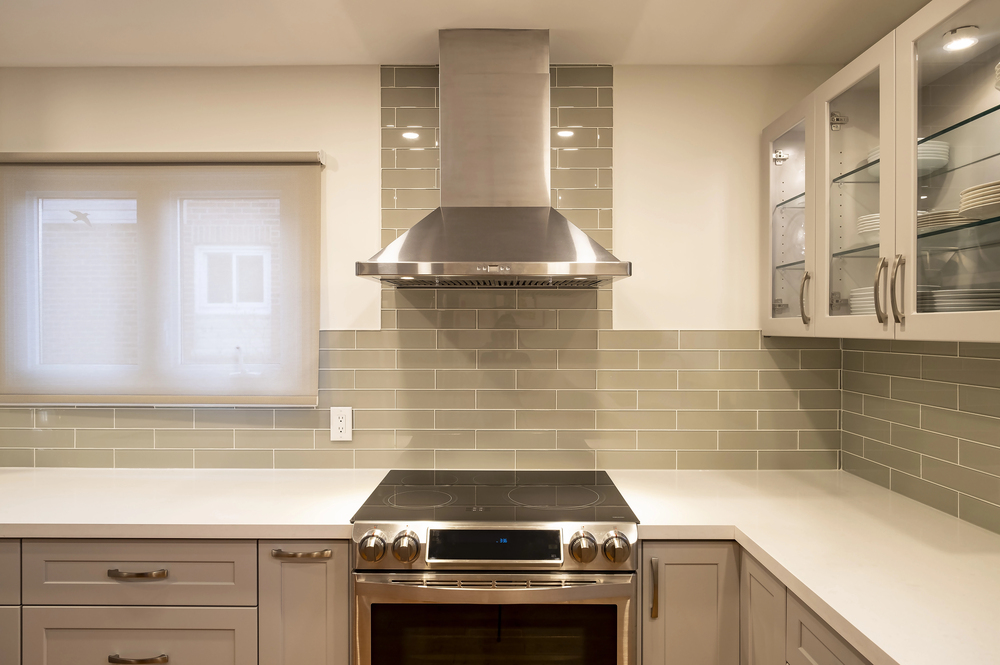
A wall mount range hood is one of the most popular options, offering a sleek and modern look
while delivering superior performance. With customizable features, these hoods can be
designed to match your kitchen’s aesthetic and ventilation needs, making them a great choice
for busy moms looking for both style and function.
Why Good Ventilation Matters for Your Family
As a mom, you’re likely concerned about your family’s well-being. Good kitchen ventilation isn’t
just about keeping the air fresh; it’s about creating a space where your family can thrive. Proper
airflow can help prevent the accumulation of grease, which can lead to potential fire hazards. It
can also help eliminate cooking fumes that may cause irritation, particularly for young children
or family members with respiratory issues.
Moreover, kitchen ventilation plays a significant role in regulating humidity levels. Cooking
activities, such as boiling, frying or steaming, generate moisture, which can contribute to mold
growth and other moisture-related issues in the kitchen. A well-ventilated space prevents
excessive moisture buildup, keeping your kitchen dry and free from mold and mildew. This is
especially important for families with little ones, as mold can trigger allergies or asthma attacks.
How to Maximize Kitchen Ventilation
Now that we understand the importance of good ventilation, let’s discuss some practical tips for
maximizing airflow in your kitchen. By making a few adjustments, you can significantly improve
the air quality in your kitchen and create a more comfortable environment for your family.
- Invest in a High-Quality Range Hood
If you haven’t already, investing in a high-quality range hood is one of the best ways to
maximize ventilation in your kitchen. A wall-mounted range hood is an excellent choice because
it offers powerful ventilation without taking up too much space. These hoods are designed to
capture smoke, steam and odors directly from the cooking surface, ensuring that pollutants are
effectively removed from the air.
Many range hoods, such as those available from CopperSmith, are fully customizable. If you’re
looking for a modern, sleek design or a more traditional, rustic style, you can find a range hood
that fits your kitchen’s aesthetic and meets your ventilation needs. Customization options
include finishes, sizes, and even ventilation types, such as ducted or ductless models. - Use the Right Fan Settings
If you already have a range hood or exhaust fan, it’s essential to use it correctly to maximize its
effectiveness. Many range hoods come with multiple fan settings, allowing you to adjust the
level of ventilation based on the intensity of your cooking. For instance, if you’re boiling pasta or
simmering a sauce, a lower setting may suffice. However, for frying or grilling, you’ll want to turn
the fan up to its highest setting to capture all the smoke and odors. - Keep Vents and Filters Clean
Regular maintenance of your ventilation system is crucial for optimal performance. Over time,
range hood filters can become clogged with grease and grime, which reduces their
effectiveness. Be sure to clean your range hood filters regularly to ensure they continue to
capture grease and odors effectively. Some range hoods have removable filters that can be
easily washed or replaced, while others may require professional cleaning.
In addition to the filters, it’s also important to check the ventilation ducts for any blockages. A
blocked vent can cause poor airflow, which means your kitchen won’t be properly ventilated.
Schedule regular inspections to keep everything running smoothly.
- Open Windows for Natural Ventilation
While mechanical ventilation is essential, natural ventilation can also play a significant role in
keeping your kitchen fresh. Whenever possible, open windows and doors to allow fresh air to
circulate. This can help reduce the buildup of cooking odors and moisture, especially on warm
days when you’re preparing meals. Cross-ventilation, where air flows from one side of the
kitchen to the other, can be particularly effective at clearing out stale air. - Avoid Overcrowding Your Cooking Area
Overcrowding your cooking area can limit airflow, making it harder for your ventilation system to
work efficiently. When cooking, try to leave enough space around your stovetop and range hood
to allow the fan to capture smoke and steam. Additionally, avoid placing large objects, such as
cabinets or utensils, too close to the range hood, as they can obstruct airflow.
Conclusion
As a busy mom, maintaining a healthy, comfortable and safe kitchen environment is essential.
Maximizing your kitchen’s ventilation is one of the best ways to achieve this. By investing in a
high-quality range hood, maintaining your ventilation system, and using natural ventilation, you
can improve air quality, reduce cooking odors, and create a more pleasant space for your
family.
Remember, kitchen ventilation is about more than just removing smoke and steam. It’s about
creating a healthy environment where your family can enjoy meals without worrying about poor
air quality or potential health risks. So, the next time you’re in the kitchen, take a moment to
think about the air you’re breathing, and make sure it’s as fresh and clean as the food you’re
preparing.