Your toddler can sleep through the leaf blower next door. Through the dishwasher. Through her big brother yelling about socks. But open the camera app and she’s up, two rooms away, wanting a snack. Every time!
So you film in the gaps. Maybe 20 minutes during a nap, if the nap goes well and nobody from work pings you, and honestly that’s way too little time to spend staring into the lens trying to remember what you were going to say.
Posting a video isn’t the hard bit. Getting another tired parent to watch it all the way through, hit save, and text it to her sister with “WE NEED THIS” is. That’s what a TikTok growth strategy for mom creators should really be about. Hooks that land fast. Tips someone can try tonight. Stories that look a lot like their own Tuesday. Plus a posting rhythm that survives the week everyone gets sick.
What TikTok Is Probably Looking At
Nobody outside TikTok knows the full recipe. The company says it weighs how people interact with videos, info about the video itself, and what each viewer tends to like, and that’s roughly where the public explanation stops. No formula. No official weighting. It changes, too. So when someone on your FYP is selling “the algorithm secret” for $47? Keep scrolling.
A few things are worth watching, though.
Watch time is the big one. TikTok has said it pays attention to whether people finish a video or swipe away, which makes your average watch time and completion rate about the most honest numbers you’ve got. People leaving at second three? Your opening didn’t give them a reason to stay. I’d fix that before touching anything else.
Replays are trickier. Somebody loops your playroom reset three times. Cool, but why? Maybe the before-and-after was satisfying. Maybe they were copying your steps. Maybe you just talked too fast (it happens). Good to know either way, but a replay doesn’t prove TikTok pushed your video further.
Then there’s what people do with your video. Likes, shares, comments and viewing behavior can all shape recommendations, TikTok says, though none of them alone guarantees reach. Topic counts as well. Sounds and hashtags are part of how TikTok figures out what your video is, and in search, matching what someone actually typed matters a lot. “Our evenings lately ✨” won’t help a single parent find your bedtime routine. “Toddler bedtime routine that cut our evenings in half” might.
And that “first 200 views decide everything” rule you keep seeing? I couldn’t find any public evidence for a magic early-view number. Post. Learn something. Post again.
Saves, Shares, Comments (and Why You Shouldn’t Buy Any of Them)
They’re not the same thing, and they come from different places.
Saves come from being useful. Parents ask the same few questions on repeat: what’s for dinner, why does bedtime take 90 minutes, what do we do when it’s pouring outside and the couch has turned into a jungle gym. Answer one of those clearly and people bookmark it. You can end with “save this for the next rainy afternoon,” sure, but only if there’s actually something in there worth coming back to.
Shares are funnier. Sometimes it’s because the video is handy, like a lunchbox checklist or a car game that bought you 40 quiet minutes on the highway. A lot of the time, though, people share because they felt seen. You on a work call, camera off, toddler climbing your shoulder and demanding crackers at full volume. Every parent watching has lived that minute. Half of them know somebody living it right now.
Comments are the easiest to waste. Tack “comment below!” on the end of every video and you’ll hear crickets. Ask something people can answer from their own lives instead (“which part of your bedtime routine drags on the longest?”) and then actually reply. Your next three video ideas are usually sitting in there.
About buying engagement: please think carefully before doing it. You might come across services advertising premium quality TikTok likes for every upload, but purchased likes are not a reliable way to build a genuine parenting audience. TikTok’s rules prohibit fake engagement and the buying or selling of engagement that artificially manipulates the platform. Artificially inflated numbers also won’t tell you whether real parents find your content useful, relatable, or worth sharing.
For mom creators, that feedback matters. A hundred genuine viewers who save your lunchbox checklist or ask for your next meal-prep video can teach you more about your audience than a large number of likes from people who have no interest in your content.
Focus on creating videos that earn real attention. Make something useful, tell a story other parents recognize, and pay attention to the responses you receive. Those are the signals that help you decide what to create next.
A Nap-Time Workflow You Can Actually Keep
This is the part of a TikTok growth strategy for mom creators that nobody talks about: posting regularly on a tiny schedule mostly comes down to making fewer decisions each time you sit down. Also, cut yourself some slack about what a “good” nap looks like. One idea and one usable clip? That counts.
Start with the hook. Your very first line should name something your viewer recognizes instantly, like “What I prep before my toddler wakes up” or “The five-minute cleanup I do before my husband gets home.” Don’t warm up. Nobody’s sitting through “Hey guys, so today I wanted to talk about…” to find out where this is going.
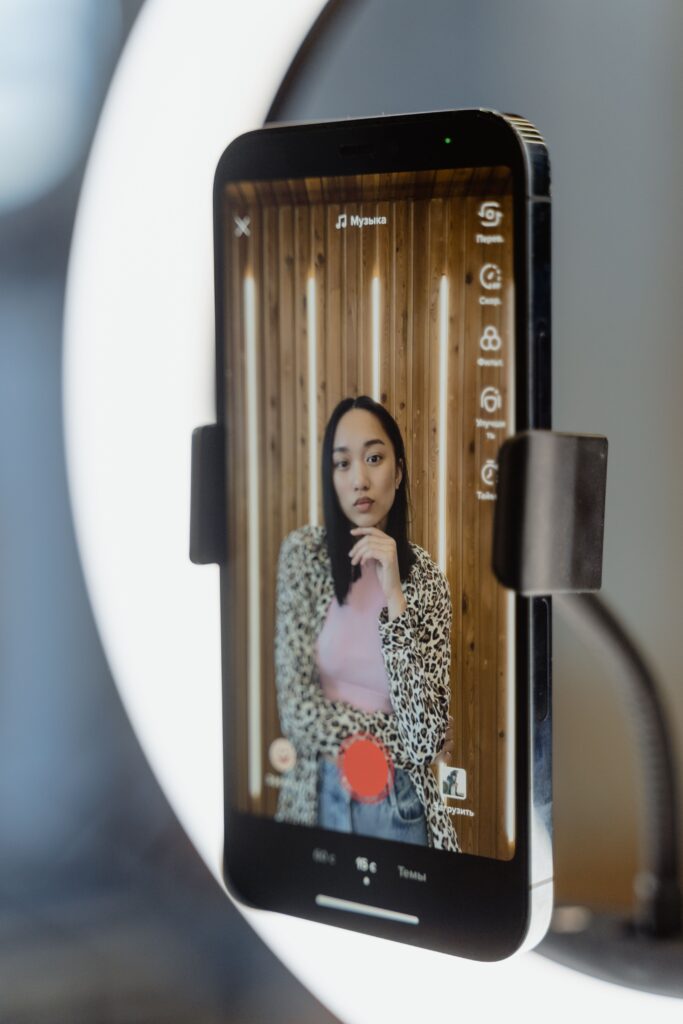
Batch when the nap runs long. Pick one theme, maybe quick dinners or rainy-day activities, and shoot a few clips back to back. Each one needs a hook, a demo or story, and one thing the viewer walks away with. Do all the intros together, then all the demos, then the closing shots, so you only clear the counter and set up the ring light once. Kid wakes up 15 minutes in? You still got something. A routine you’ll stick to beats a fancy one that makes you feel behind all week.
Cut the dead air. Trim every pause. Put text on screen, because tons of people watch muted, in the school pickup line or next to a sleeping baby. Show the finished result first on tutorials. Skip the 20-second setup on funny stories and get to the moment. How long should it be? As long as the idea needs. Eight seconds for a quick tip is fine, and so is a couple of minutes for a full walkthrough.
Write for search like a human. Lots of parents search TikTok the way they used to search Google. If your video is a toddler bedtime routine, say “toddler bedtime routine” in the caption, put it on screen, and mention it out loud. Something like:
“A simple toddler bedtime routine for busy evenings. These are the steps that help us make nights a little less stressful.”
Add a few hashtags that describe what’s really in the video, not whatever’s trending today. Think about what your people type into that search bar (easy school lunches, toddler activities at home, quick family dinners) and answer it directly. You don’t need the keyword in every sentence. Write like you’d text a friend.
Let your comments fill the calendar. If a few people ask how you meal plan, film your Sunday prep. Keep a note on your phone of questions that show up more than once. That note is your content calendar now, and it beats a blank screen every time.
Your Kid Didn’t Sign Up for This
Family life is a big reason people follow mom creators. Doesn’t mean all of it belongs online.
Here’s my gut check before posting anything: would my kid be okay with this at 14? Keep school names, your address and any paperwork out of the shot. Be careful showing routines or places that make your child easy to find, especially spots they go without you. Meltdowns, medical stuff and embarrassing moments deserve a second thought, maybe a third. Once your kid is old enough to have opinions about being filmed, ask them, and take the answer seriously. Then scan the background before you hit post, because that stack of mail on the counter can give away more than you’d think.
You can make warm, relatable parenting content without your kid being the star of every video. Voiceovers work. So do hands-only tutorials, the routines themselves, and plain old stories about your day.
How to Tell If Your TikTok Growth Strategy Is Working
Stop grading each video by likes. They’re the least useful number on the screen.
Start with average watch time, since it tells you if people stuck around long enough to get the point. Completion rate, if your account shows it, tells you how many made it to the end. Shares and saves show whether people thought it was worth passing on or keeping, and comments tell you if you actually started a conversation. Then there are profile visits and follows, the quiet sign that someone wanted to see what else you’ve made. What you can see depends on your account and how TikTok’s analytics screen looks right now, so just use what’s there.
Compare like with like. Your practical tutorial might pile up saves while your meltdown-in-Target story pulls shares and comments, and both are doing their job. Look at five or six posts before deciding anything. Short demos keep holding attention? Make more. Same follow-up question keeps popping up? There’s your next batch.
The numbers help you pick what to make next. They’re not a report card.
Final Thoughts
A TikTok growth strategy for mom creators doesn’t mean filming all day or chasing every trend. You need a process that fits around naps and school pickup and turns those little windows into videos people find useful, funny, or a bit too familiar.
Open with a clear hook. Tell the story. Write captions that say what the video is. Batch when the nap allows, answer the questions your audience keeps asking, protect your kids’ privacy, and check your analytics now and then without obsessing over them.
Keep at it for a few months and you’ll end up with something better than one viral spike: a bunch of parents who actually watch what you make, and who show up for you at 7 p.m. on a Tuesday when everybody in the house is falling apart.
Frequently Asked Questions
1. What is the best TikTok growth strategy for mom creators?
Pick a parenting topic you’d happily talk about for a year. Then make videos that are useful or relatable, with a hook in the first line and a caption that says what the video is, and post on a schedule you can actually keep. Your analytics will show you what lands.
2. How many TikTok videos should a busy mom post?
There’s no magic number. A few well-planned videos a week is a decent place to start if it fits your life, and you can adjust from there based on your time, the quality you can keep up, and how people respond.
3. Do saves and shares matter more than likes on TikTok?
TikTok hasn’t published a ranking that says so. It looks at likes, shares, comments and viewing behavior, so check a few metrics together instead of betting on one.
4. Can buying TikTok likes improve organic reach?
Buying likes is not a reliable way to improve organic reach. TikTok prohibits fake engagement and may remove artificially inflated metrics. Purchased likes also don’t show whether your videos genuinely interest your target audience. Focus on stronger hooks, useful content, and real interactions instead.