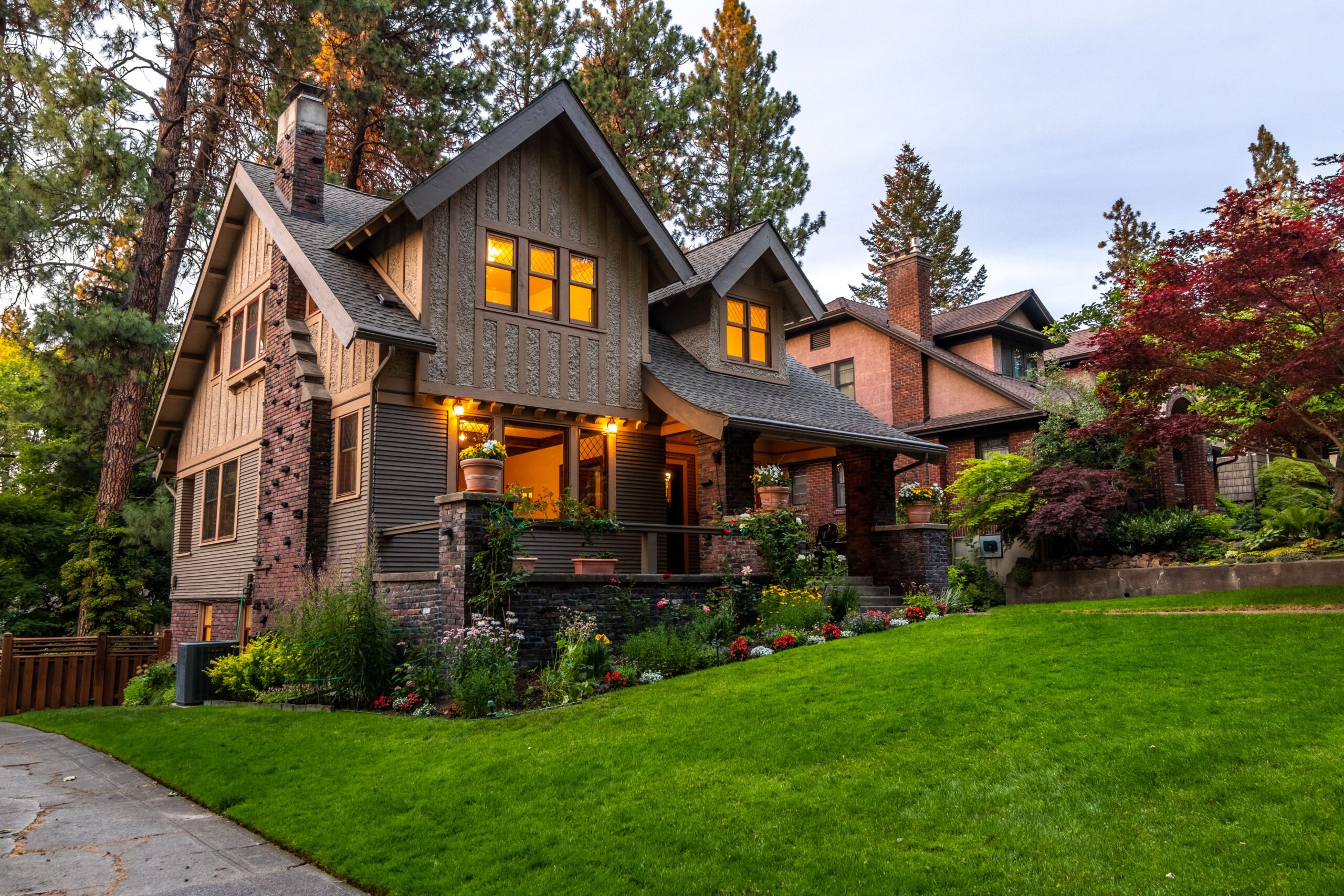


It’s easy to fall hard of a beautiful, older home. Historic homes are filled with gorgeous trim, the handcrafted windows and the original wood floors—the kind of details that would cost a fortune to recreate today. Period homes have their own grandeur and don’t look like a quickly put together hodgepodge of developer-approved, cookie-cutter choices.
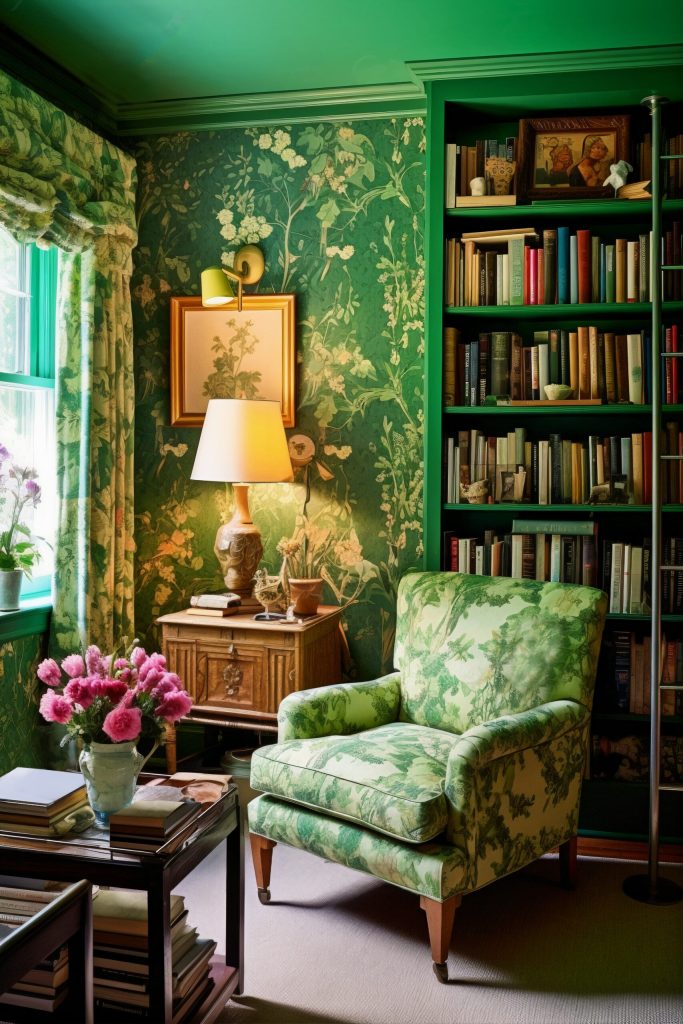
Period homes are full of charm. They offer warmth, personality and loads of character that can’t be ignored.
However—these historic beauties often come with their share of cracks, gaps, aging woodwork and drafty spaces—all of which can create easy entry points for pests. While materials like wood can be vulnerable to termite damage, there are also other ways pests can wreak havoc on a beautiful old home.
A period home can be stunning, but it’s often far easier for mice, insects and other unwanted freeloaders to sneak into this type of home than a newer build that’s tightly sealed and built with fewer quirks. Part of the challenge is that most generic pest-prevention tips are geared toward newer homes. Older houses simply aren’t as straightforward.
So, what should you keep in mind when owning one of these charming, quirky homes?
An Old House Has a Lot Going On

And that’s really the key point. Newer homes can certainly have their issues—nobody’s denying that—but at least their structures haven’t spent decades settling, shrinking, swelling, cracking and being modified by generations of owners with varying levels of skill and care. An old house, on the other hand, carries its history in its walls—and unfortunately, not all of that history is charming.
But consider this: it could be a tiny gap around a pipe, a hairline crack near a baseboard, a slightly loose floorboard, a worn cellar door or an old vent that doesn’t quite fit. None of these issues may seem like a big deal on their own—and in a newer home, they often aren’t. But old houses have a way of collecting these small imperfections, and over time, they can add up.
Charm Doesn’t Protect a House
Which is probably obvious, but people really do get sentimental about old house quirks. Take a drafty window, for example—it often gets shrugged off as “part of the home’s character.” Or a damp little corner becomes something to deal with “eventually”. In both cases, what’s really a red flag gets romanticized as charm, when in reality, it’s far from it.
But that’s really the problem: homeowners often get comfortable with these quirks and assume everything is fine. Loving an old house doesn’t mean pretending its weak spots are charming. Consider this—drafty spots can let in unwanted air, damp areas can attract pests, and worn or deteriorating wood can create perfect hiding places.
You Can’t Have that “It’s Probably Fine” Mentality
And as you can probably see, this ties back to what we discussed earlier—and it can definitely take a toll on both your wallet and your home. It’s usually not a matter of carelessness; old houses just come with so many small issues that it’s easy to mentally sort them into two piles: “actually urgent” and “probably fine for now.” Over time, that “probably fine” pile can quietly turn into bigger problems.
And sure, that’s fair—nobody has unlimited time or money (unless you happen to be an influencer or just really wealthy). The problem is, pests absolutely thrive in the “probably fine for now” category. A loose strip of trim, crumbling mortar, a slightly damp utility area or a neglected nook in the attic—these are all things homeowners can ignore for years…until they suddenly become major problems. They might not seem urgent, but they matter a lot when it comes to effective pest prevention.
Before your realize it pests will have moved in because those weak spots were ignored. Eventually, you’ll likely need to call pest control services to deal with the infestation—and depending on the damage, you might also need a contractor to repair what the pests have done. The point is, that “ignore it for now” mindset can end up costing your wallet far more in the long run.
These Homes Need More Looking and Less Assuming
That’s probably the best way to put it. Because a newer home can sometimes get away with a more passive kind of care. It likely will have fewer unknowns, hidden layers or areas where time has quietly made its mark. A period home often needs someone to notice those little things, to take care of those little repairs that really require tending to.
Prevention is Basically Respect for an Old House
Owning an older home requires a particular mindset—one that embraces careful maintenance, proactive prevention and respect for its history. With that approach, it could easily stand strong for another 100 years—or even longer.