

Florida is known for its great weather, but a drawback of the high humidity is that it can make preventing termites more difficult. However, it is definitely possible to get ahead of these pesky insects, which is important given the costly damage they can do to your home. The question is, how can homeowners prevent termites before they become a problem? Getting smart about maintenance and professional guidance gives homeowners the best chance of keeping termites away.
Here’s Why Florida Homes Attract Termites
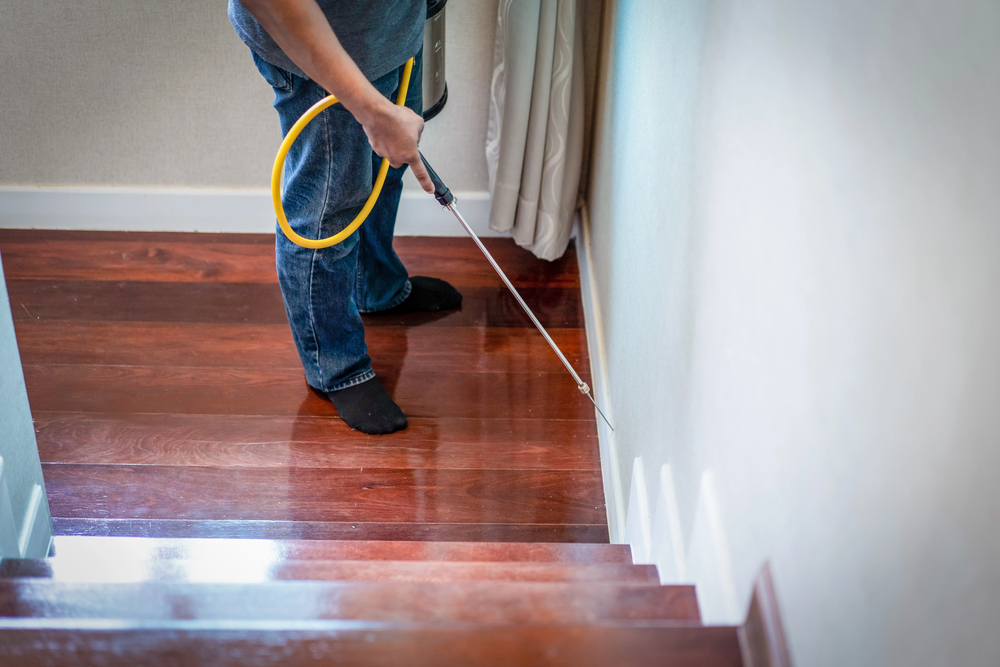
In areas like Jupiter and Palm Beach County, Florida, there’s a lot of moisture in the air for several months of the year, especially compared to many other parts of the US. Wood, soil and crawl spaces of your house can stay wet, and that’s the type of condition that termites do well in.
If you don’t take action, the termites can create colonies that eat away at the wood that your home’s structure depends on. The damage these insects create can be extensive. It can be costly to fix. That’s why prevention is always cheaper than fixing infestations over time.
In Palm Beach, for example, rainfall, sprinkler systems and bad drainage can keep foundations wet, the exact type of environment that termites look for. Even well-maintained homes can be vulnerable to their colonies if not properly managed.
Preventing these pests involves a combination of strategies. Let’s talk next about the major factors to address to make your home less likely to have termite problems. So you can protect your property and avoid having to do expensive structural repairs later.
Watch How You Use Mulch and Landscape
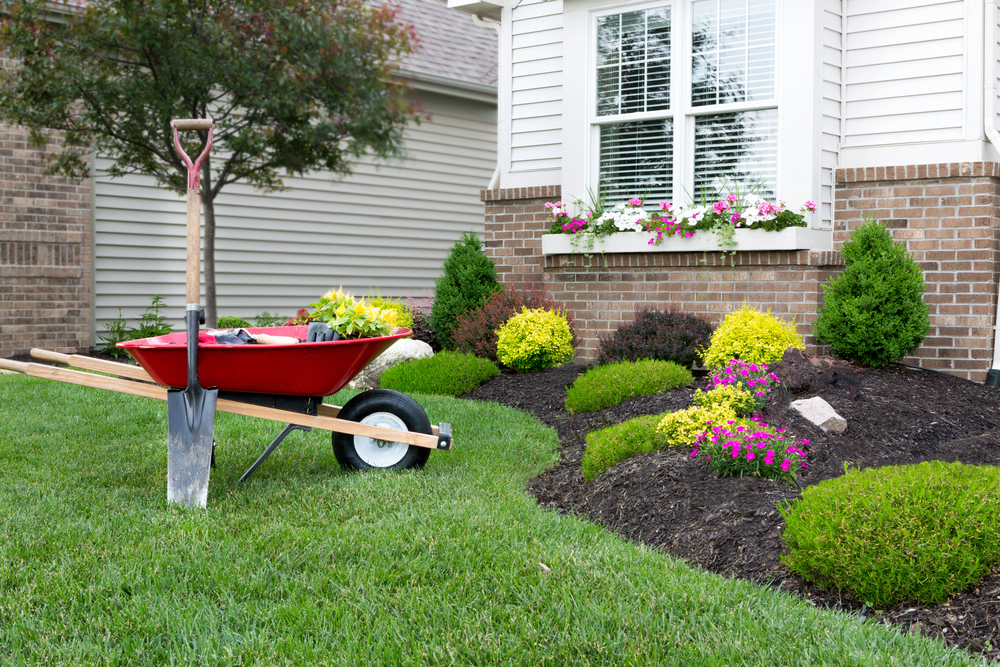
Given that mulch retains water, it creates termite-friendly conditions in Florida. If you want to use mulch, which is effective for keeping plants at their best and improving soil, keep it at least a foot away from your home’s exterior walls. That way, you’re not encouraging termites to come eat away at the structure of your house.
Plus, when mulch is right up against your house, it covers up any problems. There could be pests hidden underneath. They can go unnoticed for a long time. Until they create a lot of damage, that is. The termites could also be seeking protection under the mulch from predators and sunlight, encouraging them to build colonies right up against your home.
Keeping any mulch you use at least one foot from the house helps keep the walls from staying wet. Also, the soil dries out faster after the rain, making it easier to spot termite tunnels. You may decide to add gravel in the area within the foot of the foundation instead of mulch or mulch farther out in garden beds. Using rubber mulch instead is another option. Done right, you can have healthy plants and a great-looking garden with reduced termite risks.
Manage Moisture Around Your Home, Too
By now, it’s clear that moisture attracts termites. Between the Florida rain and lawn watering, homes have extra dampness near their foundations. Since local termites cannot survive without moisture, it is especially important to reduce wet areas, where possible. Even small amounts of moisture can be enough to trigger a termite problem.
That’s why repairing any leaking outdoor faucets, pipes and hose connections are a priority. Otherwise, the dripping means the soil will never dry out. Fixing this type of problem makes it challenging and even impossible in some cases for local termites to travel through soil, build mud tunnels and stay hydrated as they depend on moisture to survive. Dry soil forces them underground, away from the path toward your home.
Fixing clogged gutters and leaky or damaged downspouts is also helpful for preventing termites. For example, when the downspouts don’t drain properly, water remains along the exterior walls, and the soil is always soggy. The colonies grow as the pests’ mud tubes stay intact, and they expand closer to the foundation. When downspouts carry water away from the foundation (up to about 6 feet away), the soil dries faster, mud tubes collapse, and, in turn, termites aren’t able to survive there.
Maintain gutters too; when they are free of leaves and other debris, they won’t overflow. Redirecting water and keeping gutters clear can effectively protect your home from termite infestations.
Reach Out to Experts to Prevent and Treat Termite Issues
Basic DIY tasks like keeping mulch away from your home and lowering moisture are important, but in places like Jupiter, Florida, the reality is that termites can still survive. Termites are active year-round, not just in certain seasons. Their colonies can become big and deeply buried below ground. Moist soil enables them to get around many surface-level DIY barriers. That is why professional prevention is the most reliable strategy, especially for protecting your home over the long term.
Professionals have the experience and materials to do a thorough job of prevention, from using soil-based liquid termiticides around and beneath the house foundation to establishing physical termite barriers, where appropriate. Baiting systems are also helpful outside many homes where liquid treatment is challenging, placed strategically in the soil and monitored over time. The best pest control team in Jupiter, Florida, determines what is ideal for your home, including providing one-time inspections and scheduled re-treatments for maximum protection.
Local experts understand South Florida, including seasonal swarm patterns specific to Palm Beach County. They know how humidity, rainfall and sprinkler systems affect termite behavior to provide the custom solution you need.
Conclusion
The weather conditions in Florida, including humidity and rainfall, mean that termite prevention is a must every season of the year. By using the tips above, including getting smart about how you landscape the home, and scheduling regular inspections, you can significantly reduce the risk of termite infestations.
Combining DIY activities with professional services makes your property dry, safe and termite-free. Local experts know the conditions that lead to termite colonies. Applying the tips above means you can enjoy the beauty of Jupiter and the surrounding areas year-round without worrying that these pests are doing costly damage. You’re protecting something that is so valuable to you: Your home.