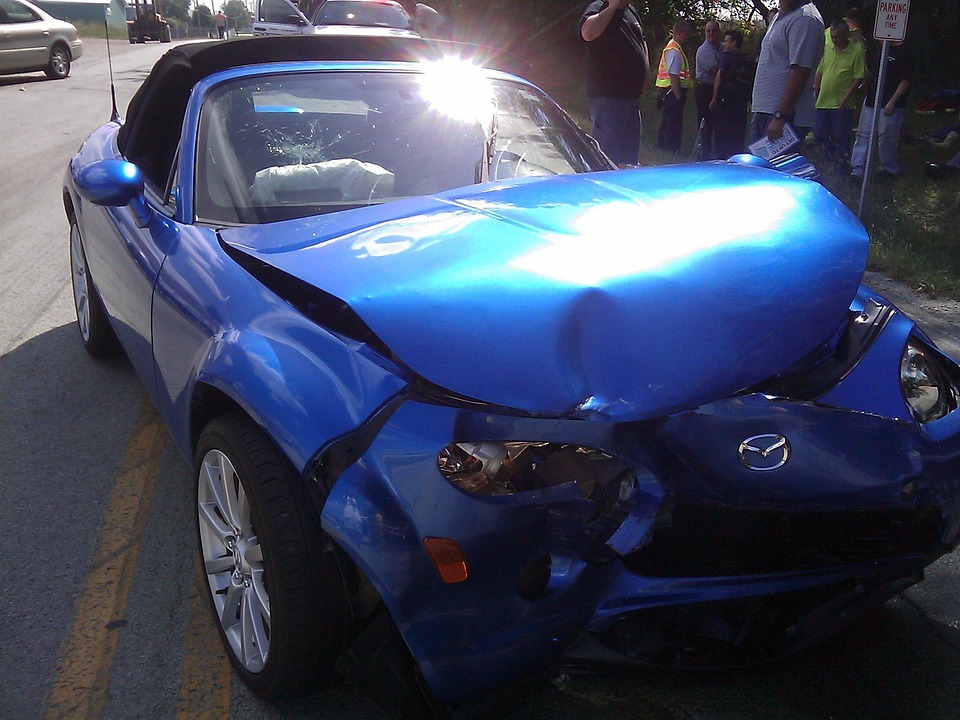
In 2025, an estimated 36,640 people died in motor vehicle crashes, according to the National Highway Traffic Safety Administration. Although national fatality numbers have actually declined compared to prior years, collisions remain a serious public safety issue.
The actions taken in the first 48 hours after a crash often influence medical recovery, insurance outcomes, and potential legal claims. So, here are the steps you should remember to take if you find yourself involved in a crash.
- Check for Injuries and Contact Emergency Services
Immediately assess yourself and others for injuries. Contact 911 so emergency responders and law enforcement can evaluate the situation and create an official incident record.
Some injuries, including concussions and internal trauma, may not present symptoms right away. Prompt medical evaluation ensures appropriate treatment and documents any injuries close in time to the collision.
- Obtain an Official Police Report
Request that law enforcement respond to the scene whenever possible. Provide accurate and factual information, and ask how to obtain a copy of the completed crash report.
Police reports frequently play a central role in insurance investigations. A clear, contemporaneous record of statements, road conditions, and visible damage can reduce later disputes regarding fault.
- Document the Scene Thoroughly

Photographic and video evidence can preserve important details that may disappear once vehicles are moved. Capture images of vehicle damage, skid marks, debris, traffic controls, and any visible injuries.
Before leaving the scene, gather the following information:
- Names and contact details of all drivers involved
- Insurance carriers and policy numbers
- Contact information for witnesses
Comprehensive documentation strengthens your position if questions arise during the claims process.
- Seek Medical Evaluation Within 24 Hours
Even in the absence of immediate symptoms, arrange a medical examination as soon as possible. Soft tissue injuries and mild traumatic brain injuries often develop gradually.
Early medical records help establish a clear connection between the crash and any diagnosed conditions. Delays in treatment may complicate both recovery and insurance claims.
- Notify Your Insurance Carrier Promptly
Most auto insurance policies require timely notice of a collision. Provide basic facts about the incident and obtain confirmation that your claim has been opened.
Exercise caution when discussing fault or the extent of injuries before a full evaluation is complete. Statements made early in the process may influence how the claim is assessed.
- Consult a Car Accident Attorney
Insurance companies may present settlement offers shortly after a crash. Accepting an offer before understanding the full scope of your medical needs and financial losses can result in inadequate compensation.
Getting legal advice during this period allows for an informed evaluation of your options. So, contact an experienced local lawyer, such as the Thompson Law practice, based in Phoenix.
Protecting Your Rights in the First 48 Hours
The first 48 hours after a crash are critical for preserving evidence, securing medical care, and protecting legal rights. Deliberate and well-documented actions during this period can significantly affect the outcome of any insurance or legal proceedings.
Was this article helpful? If so, explore some of our other insightful content!
Discover more from momhomeguide.com
Subscribe to get the latest posts sent to your email.
Leave a Reply