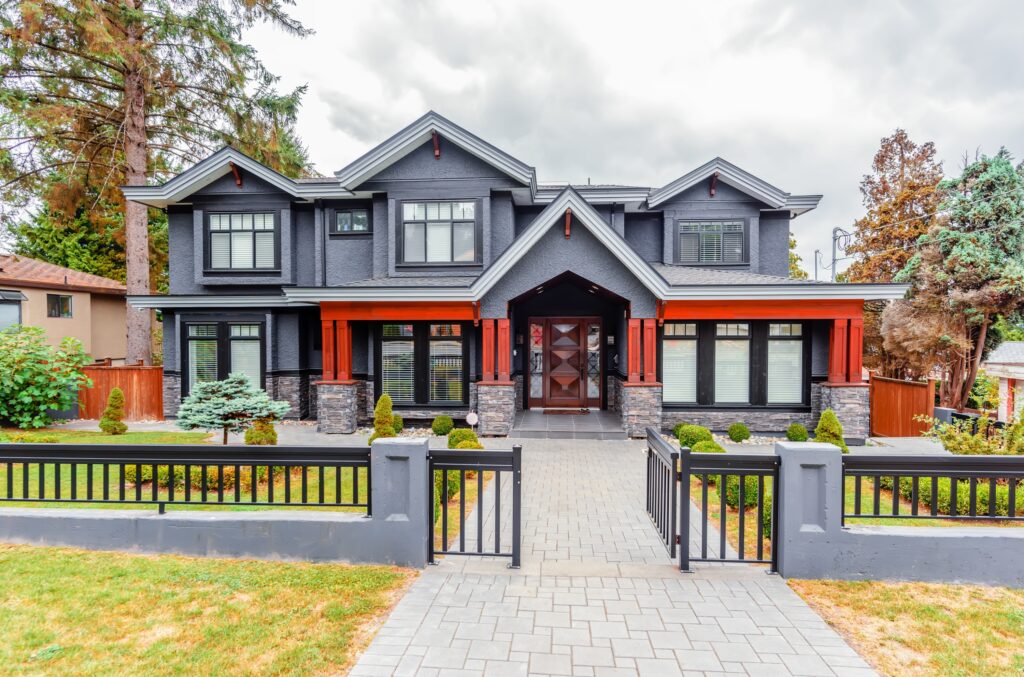
Keeping your home and property secure doesn’t always require expensive upgrades or large-scale renovations. In many cases, small, thoughtful adjustments can make a meaningful difference in how well your space is protected and maintained. Whether you’re dealing with outdoor challenges, limited indoor space, or simply trying to stay organized, a few practical strategies can go a long way.
This approach is especially useful for homeowners and renters who want to improve their living environment without committing to major construction projects.
Start With Your Outdoor Space
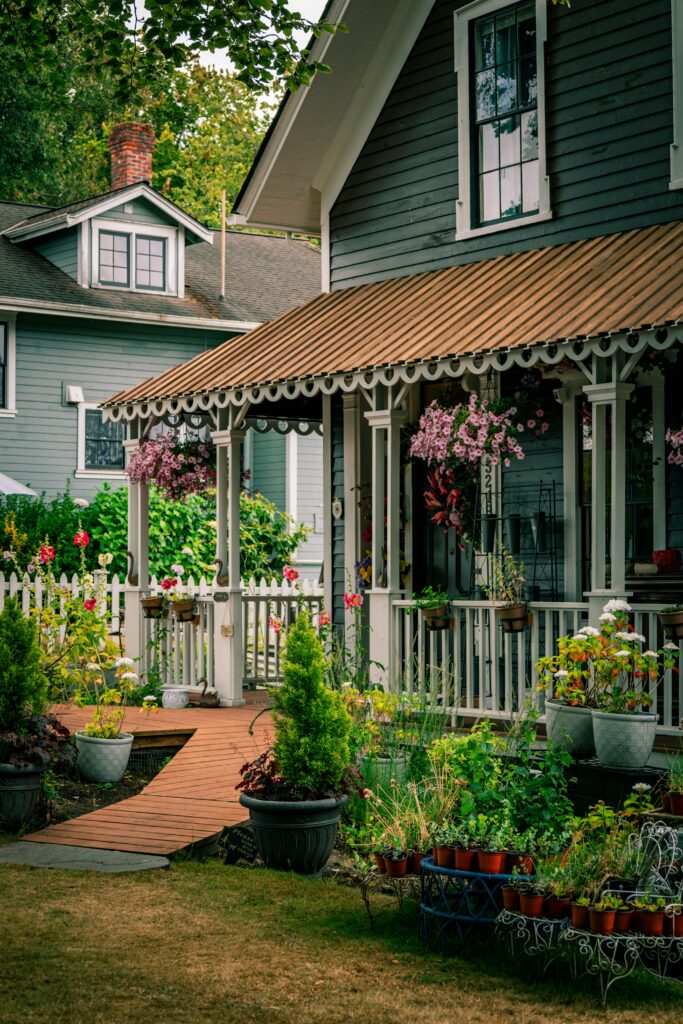
Your yard is often the first line of defense when it comes to protecting your property. It also tends to be one of the most overlooked areas. Small changes in how you manage your outdoor space can prevent common issues before they escalate.
For example, gardens and landscaped areas can unintentionally attract wildlife. Deer, in particular, are drawn to certain plants and can quickly damage vegetation, fencing and even outdoor furniture. Addressing this doesn’t require a complete redesign of your yard—it often comes down to choosing the right deterrents and barriers.
Homeowners exploring options for protecting their yards from deer often find that subtle solutions—like mesh fencing, plant selection, and scent-based deterrents—can blend into the environment while still being effective. These methods allow you to maintain the look of your yard without turning it into a fortress.
Lighting is another simple but effective upgrade. Motion-activated lights can discourage both animals and unwanted visitors, while also improving visibility around walkways and entry points.
Make Better Use of Existing Storage
Clutter can quietly undermine how secure and functional your home feels. When items are stored haphazardly, it becomes harder to keep track of belongings and easier for things to get damaged or misplaced.
Instead of expanding your home, consider optimizing what you already have. Start by identifying underused areas—closets, garages, basements and even vertical wall space. Simple shelving units or storage bins can transform these areas into organized, accessible storage zones.
However, there are times when your available space simply isn’t enough. Seasonal items, extra furniture or rarely used belongings can take up valuable room that could be better used for daily living.
In these cases, using a personal storage unit can help reduce crowding at home while keeping your belongings safe and accessible. It’s a practical way to create breathing room without making permanent changes to your property.
Reinforce Entry Points Without Replacing Them
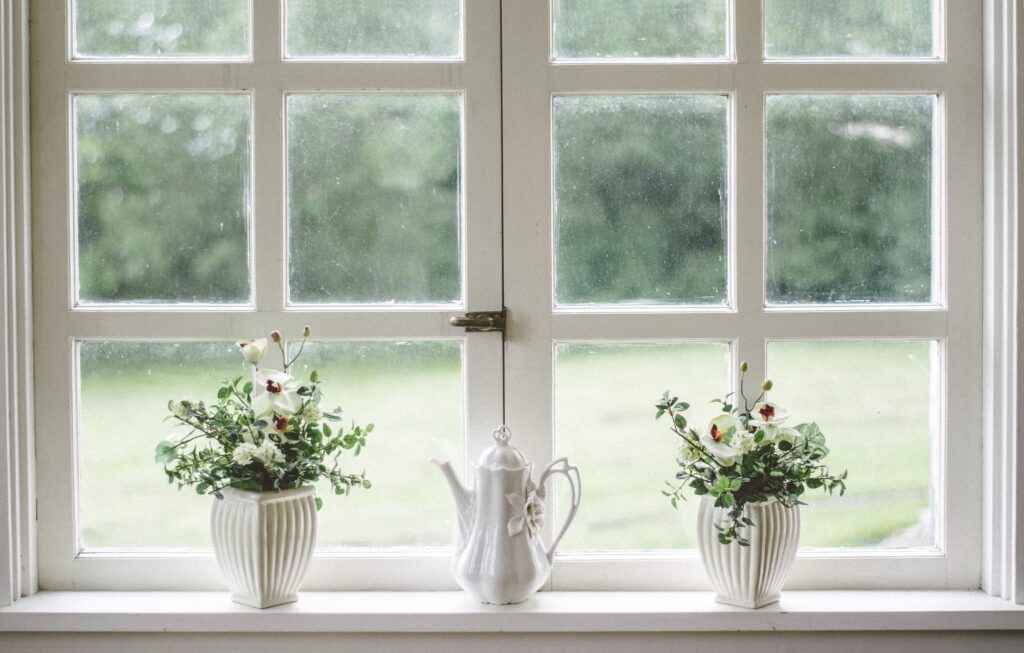
Doors and windows are common weak spots, but reinforcing them doesn’t always mean replacing them entirely. Small upgrades can significantly improve their durability and security.
Consider installing:
- Door reinforcement plates
- Window locks or secondary latches
- Weather stripping that also improves seal strength
These additions are relatively inexpensive and can often be installed without professional help. They also improve energy efficiency, which is an added benefit.
Even something as simple as ensuring all hinges and screws are secure can make a noticeable difference in how well a door holds up over time.
Use Landscaping as a Protective Tool
Landscaping isn’t just about appearance—it can also play a role in protecting your home. Strategic placement of plants, shrubs and pathways can influence how people and animals move around your property.
For example, dense shrubs placed under windows can act as a natural barrier. Gravel paths can create subtle noise cues when someone approaches. Thorny plants, when used thoughtfully, can discourage unwanted access without making your yard feel unwelcoming.
At the same time, it’s important to avoid creating hidden areas where visibility is limited. Keeping plants trimmed and maintaining clear sightlines helps ensure your property remains both attractive and secure.
Stay Consistent With Maintenance
Many property issues arise not from major failures, but from small problems that go unnoticed. Regular maintenance is one of the simplest ways to safeguard your home over time.
Walk around your property periodically and look for:
- Loose fencing or damaged sections
- Signs of animal intrusion
- Water pooling near the foundation
- Cracks or gaps around doors and windows
Addressing these early prevents them from turning into larger, more expensive problems.
Consistency matters more than complexity here. A routine check every few weeks can be enough to catch most issues before they escalate.
Create Flexible Solutions Instead of Permanent Changes
One of the most effective ways to protect your property without major renovations is to focus on flexibility. Temporary or adjustable solutions allow you to respond to changing needs without committing to permanent alterations.
For instance, removable fencing can help protect gardens during certain seasons. Modular storage systems can be reconfigured as your needs evolve. Even outdoor lighting can be adjusted or relocated as needed.
This approach keeps your options open while still improving the safety and functionality of your space.
Think in Terms of Layers

Rather than relying on a single solution, it helps to think of property protection as a series of layers. Each small improvement—whether it’s better lighting, smarter storage, or subtle landscaping—adds another level of security and control.
Individually, these changes may seem minor. Together, they create a more resilient and well-managed environment that supports both comfort and peace of mind.
By focusing on practical, low-impact strategies, you can safeguard your property effectively without the cost or disruption of major renovations.
This post contains Amazon affiliate links.
Discover more from momhomeguide.com
Subscribe to get the latest posts sent to your email.
Leave a Reply