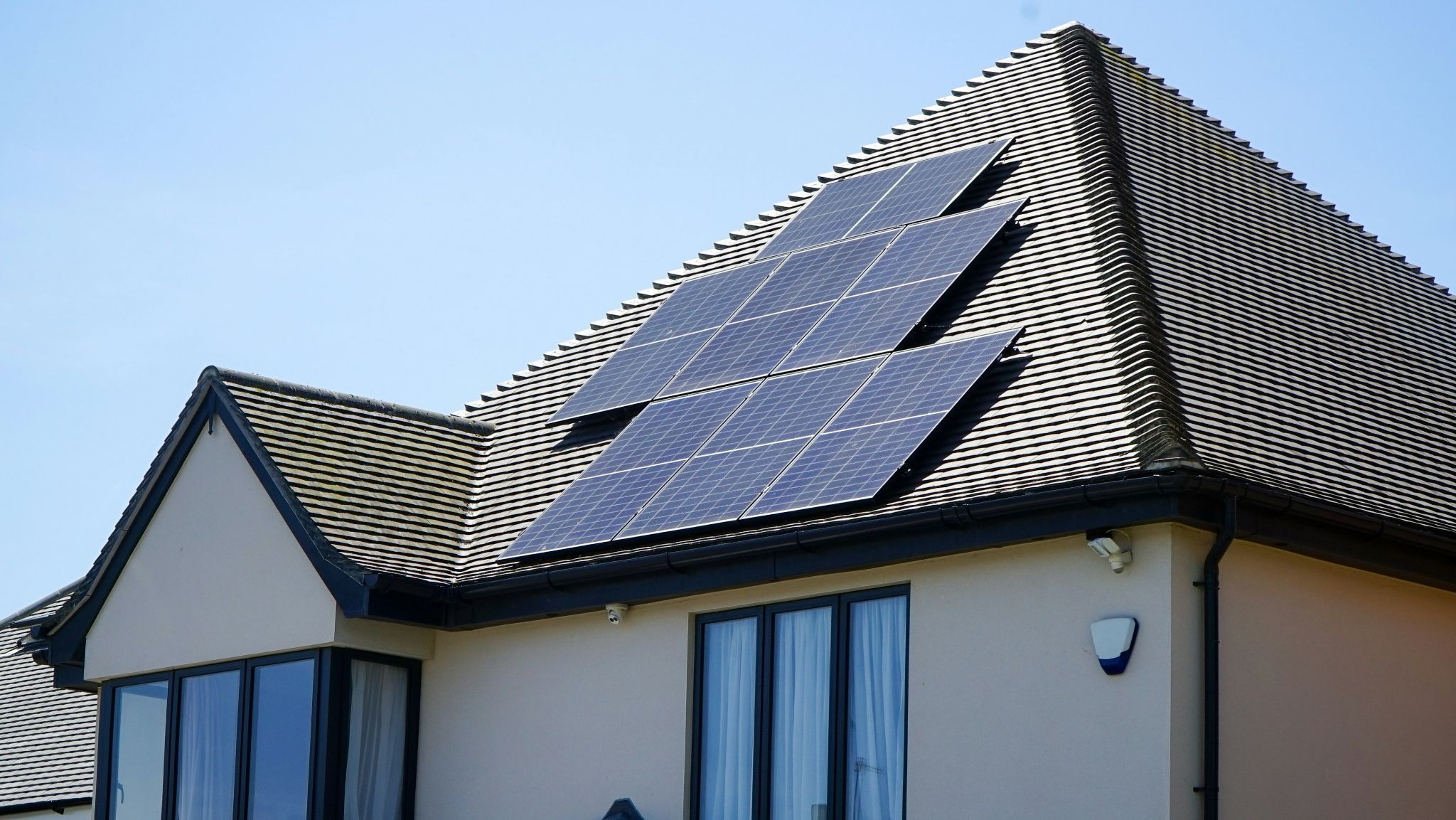
Photo by Watt A Lot on Unsplash
If your power bill lands in the inbox and makes you wince, you are not alone. With solar panels on so many Australian roofs, the next question is whether adding a battery actually saves more than simply staying on grid power. The honest answer is that it depends, so let’s walk through what really drives the savings in a typical family home, and when each option makes the most sense for your budget.
How Grid Power Costs You
Grid power is simple. You use electricity, you pay the retailer’s rate for every kilowatt-hour, plus a daily supply charge that you pay no matter how much you use. Most families use the most power in the evening, with dinner cooking, heating or cooling, washing, and screens all running together, and that is often when you pay the highest rates. It is also when solar panels have stopped producing.
What a Solar Battery Changes
A battery stores the extra energy your panels make during the day so you can use it at night instead of buying it from the grid. Upfront cost matters, so check whether a solar battery rebate is available in your state before you start comparing quotes. Incentives vary by location and change over time, so confirm the current details first.
The savings come from a simple gap. Surplus solar you export usually earns a small feed-in tariff, while power you buy back in the evening costs much more. A battery lets you keep that energy for yourself, so each kilowatt-hour you shift is worth roughly the difference between what you would have paid the retailer and what you would have earned.
Here is a made-up example to show the idea. Say your retailer charges 35 cents per kilowatt hour and your feed-in tariff is 5 cents. Shifting 10 kilowatt-hours from midday to evening each day would be worth about three dollars per day, or roughly 1,100 dollars a year. Your own rates and usage will differ, so check your latest bill and plug in your real numbers before you decide anything.
Grid power still has strengths. It costs nothing upfront, needs no maintenance from you and never runs out. A battery is a bigger purchase that takes years to pay back, and it only saves money if you have enough solar to fill it each day. Without panels, a battery mostly stores grid electricity, which limits the benefit.
When the Battery Wins
Batteries tend to win in homes with high evening usage, a low feed-in tariff and plenty of daytime solar. Families with kids home after school, parents who work from home and households running air conditioning after dinner are good examples. The more power you can shift from expensive hours to free sunshine, the faster the battery earns back its cost.
What the Experts Say
The wider picture is encouraging too. The Australian Energy Market Commission’s 2025 price trends report projects that average household electricity costs stay broadly stable, because rooftop solar and efficiency gains offset rising prices and new demand. It also notes that recent home battery uptake has been markedly faster than expected.
That does not mean every home will see the same result. The report is a projection for a typical household, not a promise for your bill. Think of it as a sign that solar and storage are becoming a normal part of managing energy costs, rather than a luxury for early adopters who love gadgets. Your own results will depend on your usage, your tariff and how well the system is sized.
When Grid Power Is Enough
Staying on the grid can be the smarter choice if you use very little power at night, rent your home or plan to move soon. A battery is generally a long-term investment, so a short timeline can make it hard to see the return, especially when upfront costs are high. In those cases, the best electricity plan can save you more.
Speaking of plans, many households overpay simply because they never compare. Even if you add a battery later, reviewing your retailer and tariff is one of the quickest ways to cut your bill. It takes minutes and costs nothing, so it is worth doing at least once a year, and again whenever your retailer changes its rates.
How to Decide for Your Home
Gather your last few bills and look at three things: how much power you use after sunset, what your retailer charges per kilowatt-hour, and what you earn for exported solar. Then ask installers to quote a few battery sizes and show the expected savings, so you can compare payback times side by side and spot any quote that looks too good to be true.
A good place to start is Energy Made Easy, the free comparison site run by the Australian Energy Regulator. It lets households in New South Wales, Queensland, South Australia, Tasmania and the ACT compare electricity plans and see how their usage stacks up. Households elsewhere should check their own state’s comparison service.
The Bottom Line
So, which saves more? For a solar home with busy evenings, a battery usually saves more over time than relying on grid power alone, but only if the numbers line up. If they do not, a better plan and smarter habits may be the cheaper win. Run your own numbers, ask plenty of questions and choose what fits your family’s routine.