Refreshing your living space doesn’t have to mean tearing everything apart or committing to a costly renovation. For busy households, especially families juggling work, school schedules and everyday life, small, thoughtful changes can make a meaningful difference without the stress (or expense) of a full makeover.
The trick lies in working with what you already have, making intentional upgrades and choosing
solutions that support how your home is actually used. Here’s how to give your living space a fresh, functional update without starting from scratch.
Start With How Your Space Really Functions
Before moving furniture or buying new decor, take a step back and look at how your space is
used day to day. Is your living room a play area, homework station and relaxation zone all at once? Do you constantly move things around to make space? Identifying these patterns helps you prioritize
changes that will actually improve your daily life.
Interior designer Emily Henderson puts it simply: “A home should work for the way you live, not the way you think it should look.”
This mindset shift is powerful. Instead of chasing trends, focus on solving real problems, such
as clutter, lack of seating or poor flow.
Rearrange Before You Replace
One of the easiest (and completely free) ways to refresh your living space is to rearrange what
you already own.
Try:
- Pulling furniture away from the walls to create a more inviting layout
- Repositioning seating to encourage conversation
- Creating defined zones in multi-purpose rooms
Research published in the Journal of Environmental Psychology suggests that even small environmental changes can positively impact mood and perception of a space. In other words, a simple layout shift can make your home feel brand new.
Choose Flexible Furniture That Adapts With You
For families, flexibility is everything. Furniture that adapts to changing needs can reduce clutter
and make your home feel more organized without adding more “stuff.”
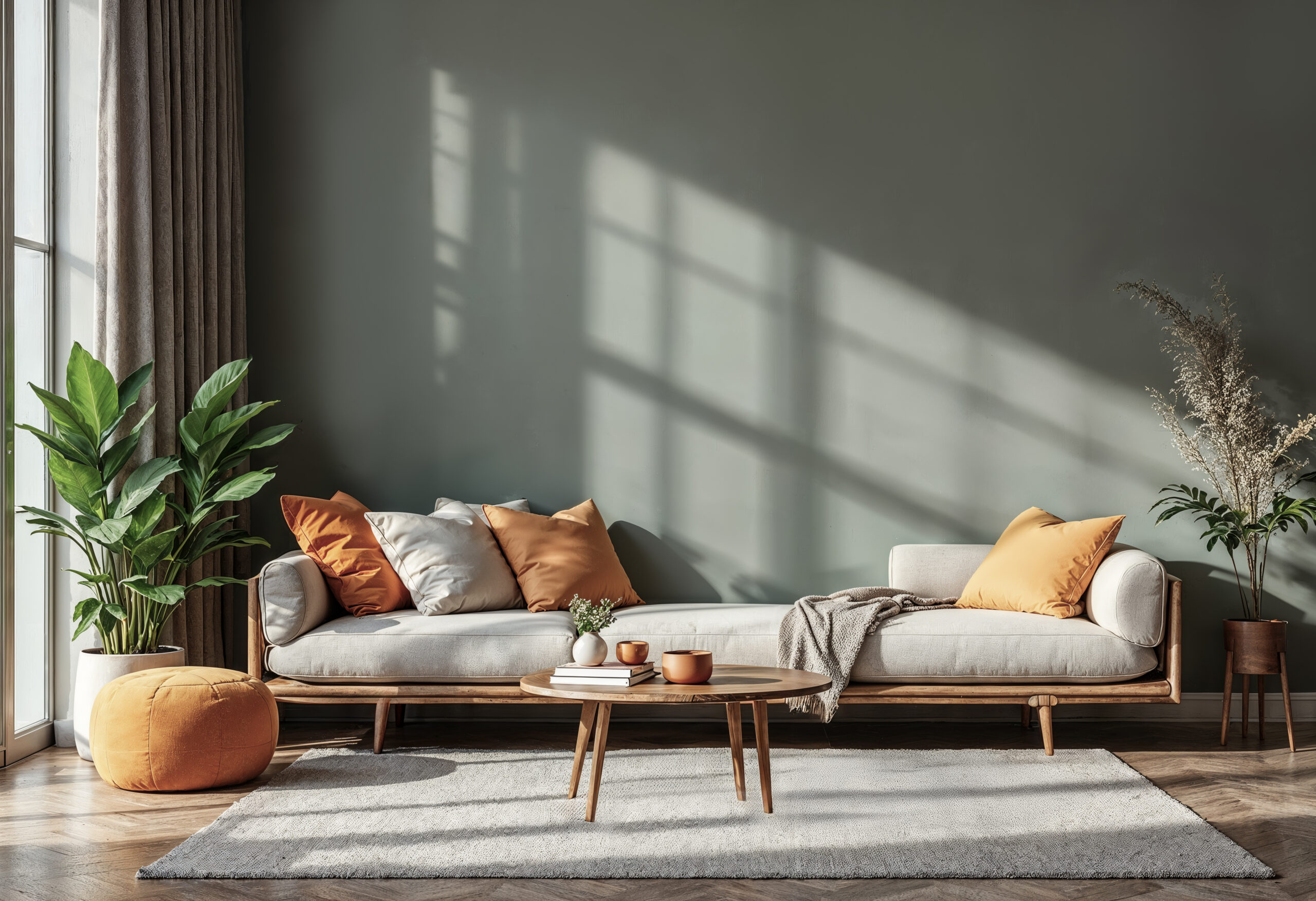
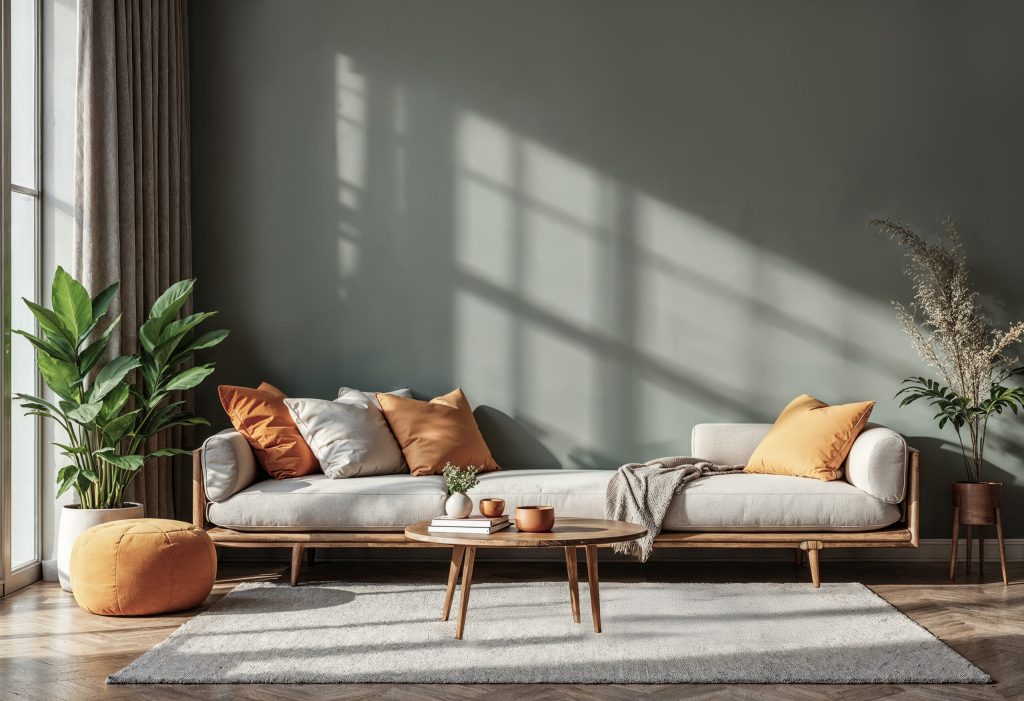
This is where modular designs come in. Instead of a fixed layout, modular pieces allow you to
reconfigure your space as needed, whether you’re hosting guests, managing kids’ activities, or
simply stretching out after a long day.
For example, brands like soulfa.com offer modular couches that can be rearranged to suit
different room layouts and family needs. It’s a practical option for households where the living
room serves multiple purposes.
Rather than replacing everything, investing in one adaptable piece can refresh the entire room.
Refresh Your Color Palette (Without Painting the Walls)
A full repaint can be time-consuming and messy. Fortunately, you can shift the feel of a room
through smaller color updates.
Consider:
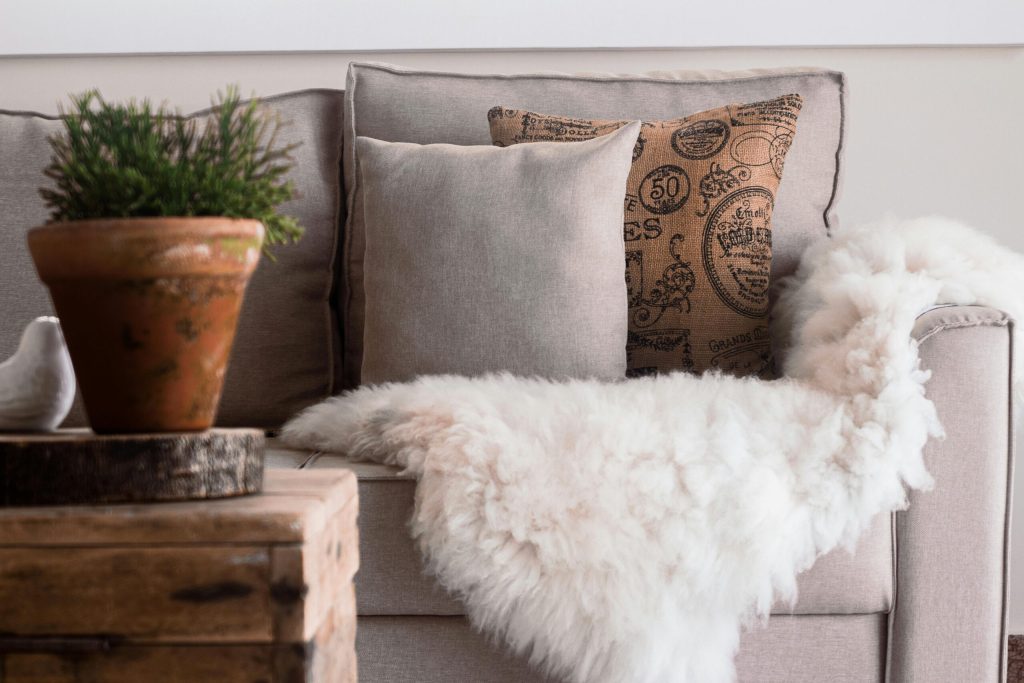
- Swapping out throw pillows or blankets
- Updating curtains or rugs
- Adding artwork with new tones
Color psychology research shows that even subtle changes in color can influence mood. Soft neutrals create calm, while warmer tones can make a space feel more inviting. If your space feels tired, a few well-chosen accents can make it feel intentional again, without lifting a paintbrush.
Declutter With Purpose, Not Perfection
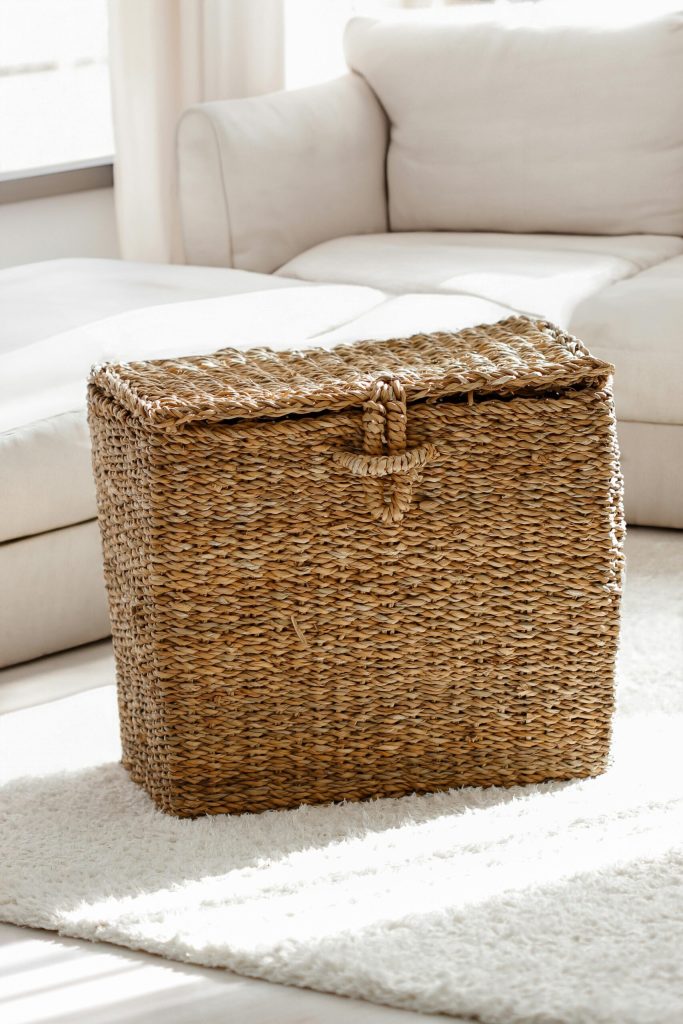
Decluttering doesn’t mean aiming for a picture-perfect home. It’s about making your space easier to live in.
Start small:
- Clear surfaces that collect everyday clutter
- Use baskets or bins for quick, accessible storage
- Rotate toys or seasonal items instead of keeping everything out
According to a study from UCLA’s Center on Everyday Lives of Families, cluttered environments can increase stress levels, particularly for parents. The goal isn’t minimalism. It’s creating breathing room so your home supports your routine rather than adding to your mental load.
Upgrade Your Lighting for Instant Impact
Lighting is one of the most overlooked elements in home design, yet it has a huge effect on how a space feels.
Layering different types of lighting can instantly refresh a room:
- Ambient lighting (overhead fixtures)
- Task lighting (lamps for reading or work)
- Accent lighting (warm lights for atmosphere)
Warm lighting, in particular, can make a space feel more relaxed and welcoming, something every family home benefits from. For a sleek, modern, and energy-efficient way to achieve this warm ambient glow, installing W4S LED Strip Lights under cabinets or along architectural features can instantly elevate your home’s atmosphere.
Bring in Natural Elements
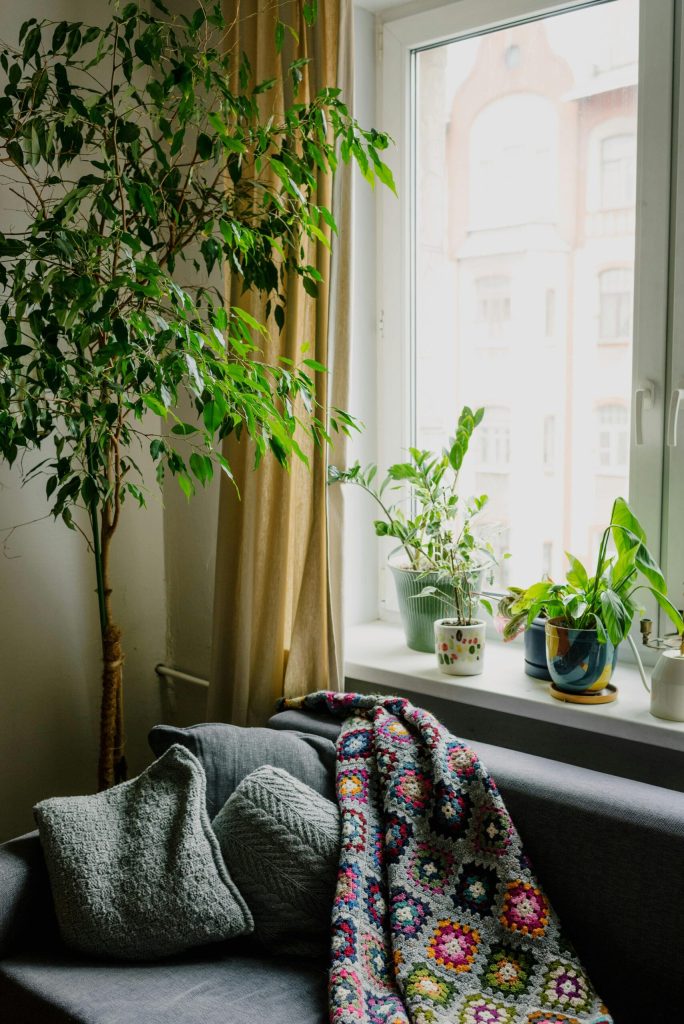
Adding natural textures and materials can make your space feel calmer and more grounded. Try incorporating:
- Houseplants or fresh greenery
- Wooden or woven decor
- Natural fabrics like cotton or linen
Research in environmental design has shown that natural elements can reduce stress and improve overall well-being. This approach (often referred to as biophilic design) doesn’t require a major overhaul. Even a few small additions can make a noticeable difference.
Update What You Already Have
Before buying anything new, look at what you can refresh. Simple updates include:
- Changing cushion covers
- Painting or refinishing small furniture pieces
- Swapping out hardware on cabinets or drawers
These small changes can extend the life of your existing furniture while giving your space a more current feel. As home improvement expert Bob Vila notes: “Sometimes the smallest upgrades deliver the biggest return in comfort and style.”
Create a Space That Supports Family Life
For many households, the living room is the heart of the home. It needs to handle everything from quiet evenings to busy weekends. Think about how to make the space work better for everyone:
- Add extra seating that’s easy to move
- Keep essentials within reach but out of sight
- Designate areas for different activities
When your space is set up to support your routine, it naturally feels more organized and enjoyable to spend time in.
Focus on Comfort, Not Just Appearance
A refreshed space shouldn’t just look better—it should feel better too.
Pay attention to:
- The comfort of your seating
- The softness of textiles
- The overall flow of the room
Comfort plays a key role in how we experience our homes. A study published in Building and Environment highlights how physical comfort (seating and layout) directly impacts well-being indoors. In practical terms, this means choosing updates that improve how your space feels, not just how it looks.
Conclusion
Refreshing your living space doesn’t require a full makeover or a major investment. By focusing on how your home functions, making small but intentional updates, and choosing flexible solutions, you can create a space that feels new, comfortable, and better suited to your daily life.
The most effective changes aren’t always the biggest ones. Often, it’s the thoughtful adjustments, rearranging furniture, improving lighting or adding adaptable pieces, that make the greatest impact.
In a busy home, simplicity and flexibility go a long way. And when your space works with you, not against you, it becomes a place where everyday life feels just a little easier.
References
- Journal of Environmental Psychology – Effects of environmental changes on mood and
- perception
- UCLA Center on Everyday Lives of Families – Research on clutter and stress
- Building and Environment Journal – Indoor comfort and well-being studies
- Emily Henderson, Interior Designer (interviews and published insights)
- Bob Vila, Home Improvement Expert (editorial insights)