Vacuum accessories make home cleaning easier by helping one machine handle different surfaces, tight spaces, fabric, dust, pet hair, and routine maintenance without forcing the same floorhead to do every job. The machine creates the suction, but the floorhead, brush, nozzle, wand, hose, bag, and filter decide how well that suction reaches the mess.
That matters in normal homes, not just spotless showroom homes. Crumbs settle into sofa seams. Dust gathers on lampshades. Grit tracks across entryway rugs. Hair wraps into carpet fibers. If your Miele still runs well but cleaning feels clumsy, the smarter move may be to choose the right attachments for your Miele vacuum rather than replace the vacuum itself.
The Small Tool on the Hose Changes the Whole Job
The right vacuum accessory makes cleaning easier by matching the tool to the surface rather than forcing a single floorhead to handle every mess. Hard floors clean better with smooth contact. Rugs need brush movement. Sofas need a gentler upholstery tool. Baseboards and appliance gaps need a narrow nozzle. Shelves and vents need a soft dusting brush.
Once each surface has the right attachment, the work feels less clumsy. You are no longer pushing the wrong tool into the wrong space.
Start With the Floor You Actually Have
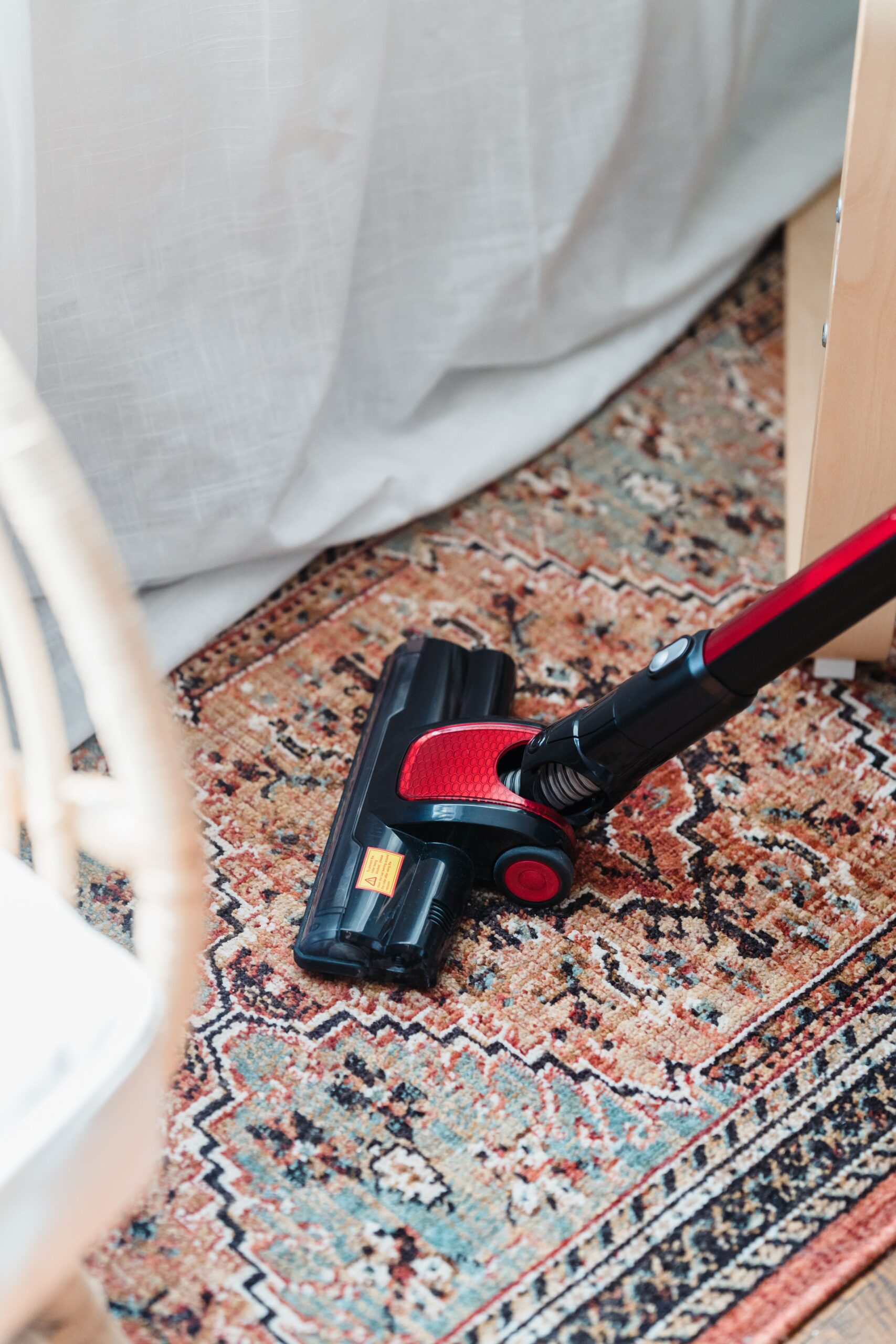
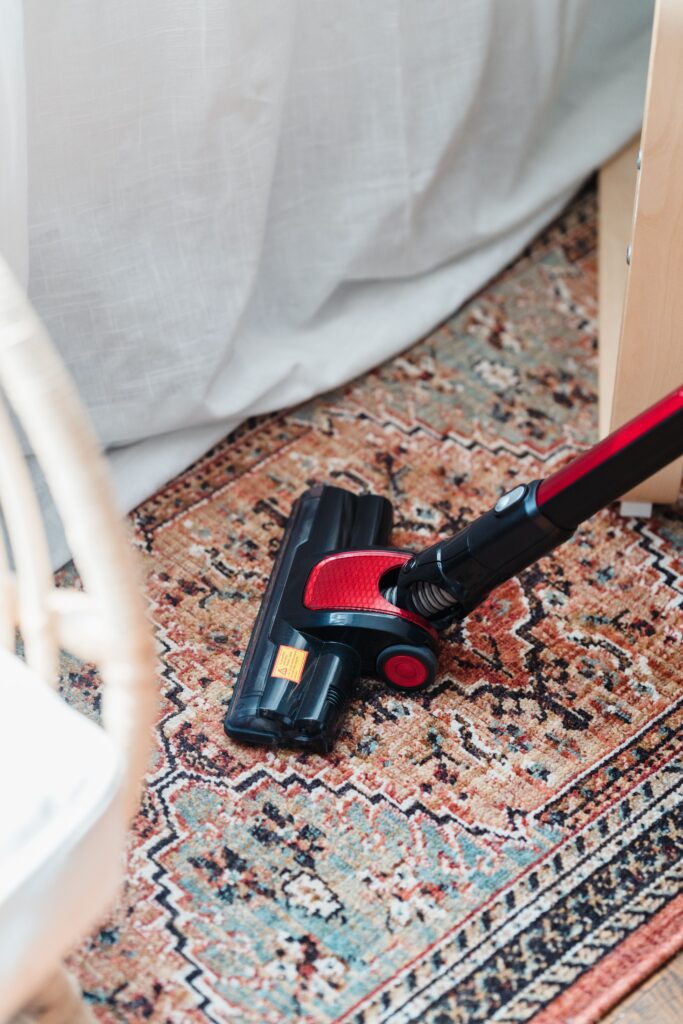
The floorhead does the most visible work. A combination floorhead is useful when one room has hardwood, and the next has a low-pile rug. A parquet brush makes more sense for hard floors that need a smoother pass, especially wood, tile, and apartment floors, where dragging the wrong head across the surface feels immediately wrong.
Carpet asks for a different kind of help. Rugs and carpets often need a brush or turbo tool to disturb the fibers enough to lift lint, hair, and pressed-in debris. Suction alone can skim the surface and leave the deeper mess sitting there.
Narrow Tools Earn Their Keep in Awkward Places
A crevice tool makes cleaning easier by reaching the narrow gaps a standard floorhead cannot fit into. Use it along baseboards, door tracks, couch seams, radiator gaps, and the tight space beside appliances.
A flexible crevice tool is useful when the gap is narrow but not straight. It can bend around cabinet edges, furniture legs, and built-in shelving, which makes it especially practical in small kitchens, older apartments, and rooms where moving furniture is not worth the disruption.
Soft Surfaces Need Their Own Pass
The CDC’s household cleaning guidance recommends vacuuming soft surfaces such as carpets and rugs, then disposing of the dirt safely. That advice sounds basic until you look at how many soft surfaces in a home never get a proper pass, including drapes, fabric chairs, cushions, upholstered headboards, and mattresses.
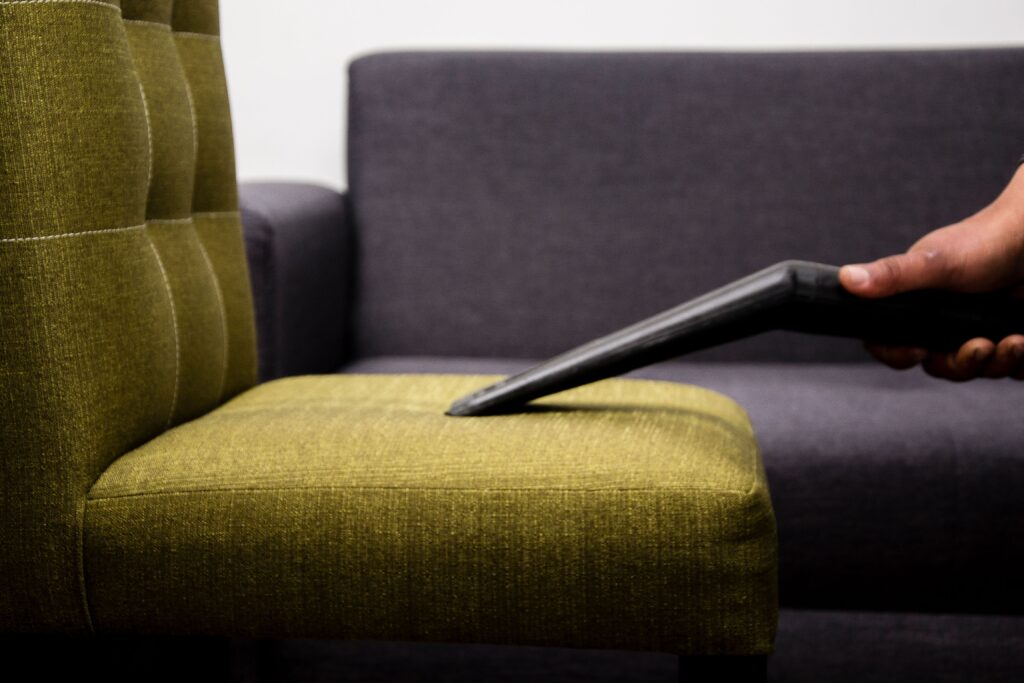
An upholstery tool gives you better control on fabric than a floorhead. It is flatter, easier to place, and less likely to tug awkwardly at seams.
For pet hair or lint-heavy fabric, a mini turbo brush can be more useful because the rotating action helps lift material that suction alone may leave behind. That is especially helpful on stairs, in car seats, on cushions, and on the one chair everyone pretends the dog does not sleep on.
Dusting Brushes Reduce the Wipe-and-Resettle Problem
Dry dusting often moves particles from one surface to another. You wipe the shelf, some dust falls to the floor, and ten minutes later the room looks personally offended.
A dusting brush changes that rhythm. The soft bristles loosen dust while the vacuum pulls it away. It works well on lampshades, frames, vents, bookshelves, blinds, carved furniture, and delicate trim. A swivel dusting brush offers better control in awkward angles, especially above shoulder height.
Reach Saves Time and Patience
Wands, hoses, and handles are not glamorous either, but they determine how much bending, stretching, and furniture shifting a cleaning session requires.
A telescopic wand helps with ceiling corners, high vents, curtain tops, and dust under the bed. A sound hose keeps airflow moving properly. A secure handle provides better control when you are switching between floors, shelves, and stairs. When these parts wear down, the vacuum can feel weaker or more frustrating even if the motor is fine.
That is worth checking before you assume the whole machine is finished. Sometimes the problem is not power. It is reach, seal, or fit.
Filtration is part of cleaning, not an afterthought
Indoor air deserves a place in this conversation. The EPA notes that Americans spend about 90 percent of their time indoors, where concentrations of some pollutants are often 2 to 5 times higher than typical outdoor concentrations.
Vacuuming can help remove dust, pollen, pet dander, and other particles from floors and fabric, but only when the system captures what it lifts. The American Lung Association explains that true HEPA filters are designed to trap 99.97% of particles and also warns that poor filtration can send dust and allergens back into the air.
That makes bags and filters part of the accessory plan. Use the correct fit, replace them on schedule, and pay attention when suction drops or dusty odor appears. Those signs often point to maintenance, not machine failure.
Build a Kit Around Real Rooms, Not Imaginary Chores
For mixed flooring, start with a reliable floorhead and a hard-floor brush. For fabric-heavy homes, add an upholstery tool. For pets, consider a turbo brush or mini turbo tool. For shelves, blinds, and delicate objects, keep a dusting brush close. For tight gaps, use a crevice tool and consider a flexible version if your home has awkward corners.
That kind of kit reflects how people actually clean. Not in one perfect Saturday sweep, but in short passes before guests arrive, after dinner, after the dog has made a lifestyle choice, or when sunlight exposes every particle in the room.
Replace What Wears Down First
Vacuum parts work hard. Bristles flatten. Wheels stick. Hoses crack. Filters clog. Floorheads lose contact. Wands stop extending smoothly. None of this announces itself dramatically. The vacuum just starts feeling harder to use.
That is usually the time to inspect the parts that come into contact with the dirt. A new hose can restore airflow. A better floorhead can improve pickup. A fresh filter can reduce dusty exhaust. A replacement wand can make the machine easier to control. Replacing one worn part is often more sensible than treating a good vacuum like a disposable appliance.
The Easier Clean is Usually the Better-Matched Clean
Home cleaning gets easier when each tool has a clear job. The crevice tool reaches the gap. The upholstery tool handles fabric. The parquet brush protects hard floors. The dusting brush cleans the shelf without scattering half the dust into the air.
A strong vacuum already has the power. The right accessories help that power land where the mess actually is. Match the tool to the surface, keep bags and filters in the maintenance routine, and replace worn parts before they turn a good machine into a daily irritation.