
The Cost of Waiting
It usually starts small.
A faint water stain in the corner of the ceiling. A shingle you notice in the yard after a windy night. Maybe a tiny drip that only shows up during heavy rain. Nothing urgent, right?
So you wait.
You tell yourself you’ll deal with it later. When things slow down. When you have a little extra time. When it feels more…necessary.
But here’s the uncomfortable truth. Roof problems don’t stay small—they tend to grow bigger, and often, unexpectedly. And waiting often turns a manageable fix into something far more expensive, stressful, and disruptive than it ever needed to be.
Have you ever put off something simple, only to wish you hadn’t later?
That’s exactly how this plays out.
The Illusion of “It’s Not That Bad”
It’s easy to downplay roof issues. After all, most of the damage isn’t sitting right in front of you. It’s above you. Out of sight. Out of mind.
And if it’s not actively pouring into your living room, it feels safe to ignore.
A missing shingle doesn’t seem like a big deal. A small leak feels manageable. Even slight discoloration can be brushed off as cosmetic.
But here’s the thing. Roofs are systems. Everything works together. When one part fails, it puts pressure on everything else.
That “tiny” issue?
It’s usually the beginning, not the end.
And while it may look harmless from the outside, time is quietly making it worse.
What’s Really Happening Beneath the Surface
This is where things get tricky.
Water has a way of traveling. It doesn’t just drip straight down and stop. It seeps, spreads, and settles into places you can’t see.
Under your shingles, moisture can start to build up. Wood begins to weaken. Insulation gets soaked. And before you know it, mold can start forming in dark, hidden corners.
The scary part?
You might not notice any of this until the damage is already serious.
That small stain on your ceiling? It could be the final stop in a much larger problem that’s been developing for weeks, or even months.
And once structural damage starts, repairs become more complicated. And more expensive.
The Financial Snowball Effect
Let’s talk about money for a second.
Fixing a small issue early on is usually straightforward. A repair here. A replacement there. Annoying, sure, but manageable.
Now compare that to what happens when you wait.
Water damage spreads into your ceilings and walls. Paint starts peeling. Drywall needs replacing. Insulation has to be removed. Mold remediation enters the picture.
Suddenly, what could have been a simple repair turns into a full-scale restoration project.
And it adds up fast.
There’s also the issue of energy efficiency. A damaged roof can let heat escape during colder months and trap heat during warmer ones. That means higher energy bills over time, another hidden cost of waiting.
And here’s something many homeowners don’t think about. Insurance.
If damage is considered preventable or caused by neglect, there’s a chance your claim could be denied. That means you’re covering everything out of pocket.
All because of a delay.
Weather Doesn’t Wait, And Neither Should You
Now layer in the unpredictability of weather.
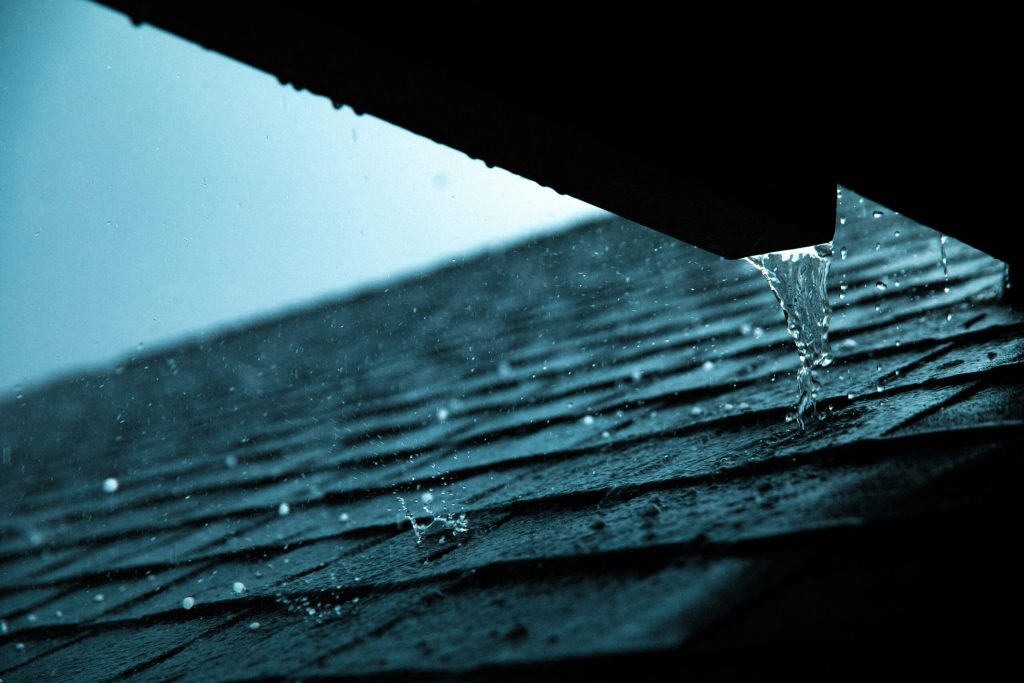
A roof that’s already compromised is far more vulnerable when a storm hits. Heavy rain, strong winds, hail, they don’t just expose problems. They amplify them.
What might have been a slow leak can quickly turn into significant water intrusion.
And that’s when stress really kicks in.
There’s something unsettling about hearing a storm outside and wondering if your home is going to hold up. It’s not just about the damage. It’s the uncertainty.
The lack of control.
Wouldn’t it feel better to know your roof is solid before the next storm rolls in?
Peace of Mind Is Priceless
This part often gets overlooked.
We tend to focus on the financial side of repairs, but there’s also an emotional cost to delaying action.
That quiet worry in the back of your mind. The thought that something might go wrong. The hesitation every time it rains is a little harder than usual.
It builds.
And it sticks with you longer than you’d expect.
On the flip side, taking care of an issue early brings a different kind of feeling. Relief. Confidence. A sense that your home is secure and doing its job, protecting you.
That kind of peace of mind?
It’s hard to put a price on.
Making Smart, Preventive Choices
So what does acting early actually look like?
It doesn’t have to be complicated.
Start with awareness. Pay attention to small changes. Look up every once in a while. Notice what’s different.
Regular inspections can go a long way. Even a quick check after a storm can help you catch issues before they grow.
And when it comes to repairs or replacements, thinking long term matters. Some homeowners, after dealing with repeated issues, start exploring more durable options that require less ongoing maintenance.
For instance, some people looking into rubber roofing in Columbus aren’t just focused on fixing a current problem. They’re trying to avoid the cycle of constant repairs altogether and choose something that holds up better over time.
It’s not about overreacting. It’s about being proactive.
The Real Question: What’s It Worth to You?
At the end of the day, this comes down to a simple question.
What’s it worth to you to avoid a bigger problem later?
Because that’s really what you’re choosing between. A smaller, manageable fix now or a larger, more stressful situation down the road.
And it’s not just about money.
It’s about your time. Your comfort. Your sense of security at home.
Waiting might feel easier at the moment. It often does.
But it rarely pays off.
Small Action Now, Big Savings Later
Roof repairs aren’t something anyone looks forward to. They’re easy to put off. Easy to ignore.
But small actions now can prevent major headaches later.
A quick inspection. A timely repair. A decision to deal with the issue before it grows.
It’s a simple shift. But it makes a big difference.
Because your home is more than just a structure. It’s where life happens. Where you rest, recharge, and feel safe.
Taking care of it isn’t just a responsibility.
It’s an investment in your peace of mind.