
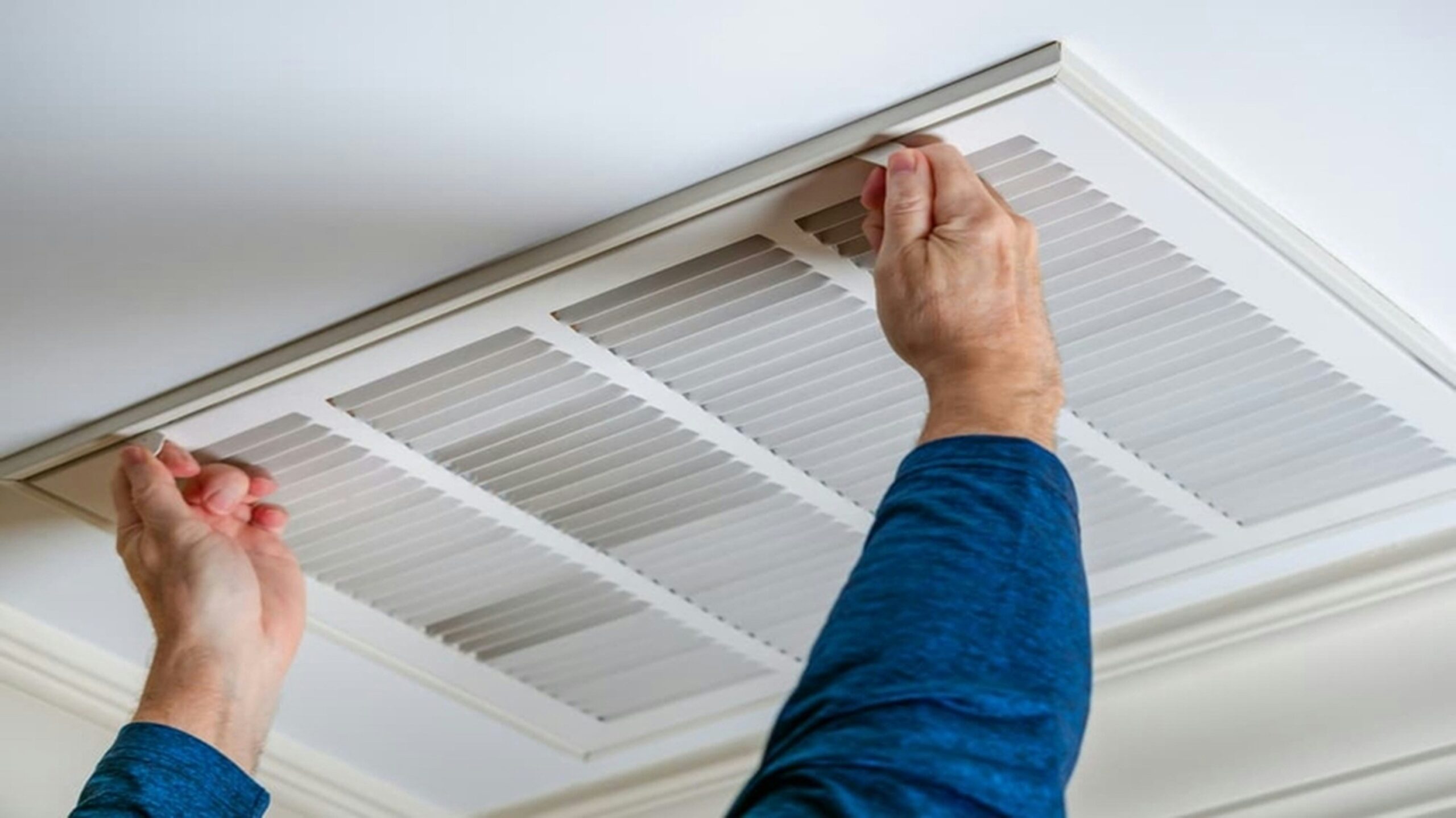
Most Houston homeowners don’t think about their air ducts until something goes wrong. A spike in energy bills, a musty smell from the vents, or a family member’s allergies getting worse are often the first real signals; when they hit, people start looking for answers fast.
Knowing what homeowners should know before scheduling duct cleaning services in Houston can save you money, protect your health, and help you avoid contractors who cut corners. Here’s what you need to get straight before you book an appointment.
1. Not Every Home Needs Duct Cleaning on the Same Schedule
You can trust professional air duct cleaning services in Houston to give you an honest assessment of whether your system actually needs attention right now. Most certified providers will inspect first and clean only if there’s a real need.
The Environmental Protection Agency recommends duct cleaning when there’s visible mold growth inside the ducts, when ducts are infested with insects or rodents, or when ducts are clogged with excessive dust and debris that gets released into your living space (EPA, “Should You Have the Air Ducts in Your Home Cleaned?”, updated 2021). Those are specific conditions, not a general calendar schedule.
Houston’s climate adds another layer. High humidity throughout most of the year means moisture builds up inside ductwork faster than in drier cities; if your home has had flooding, a roof leak, or a failed HVAC drain pan in the past few years, your ducts may need attention sooner than the typical 3-to-5-year window most contractors suggest.
2. Houston’s Humidity Makes Mold a Real Concern

A standard duct cleaning removes dust and debris. But in Houston, mold inside HVAC systems is far more than just a cosmetic issue.
According to the CDC, mold exposure can trigger respiratory symptoms, allergic reactions, and worsen asthma (CDC, “Mold,” 2024). Houston’s average relative humidity sits above 75% for much of the year, which creates the exact conditions mold spores need to grow inside metal ductwork and around coils.
Before you schedule any cleaning, ask whether the company is IICRC certified. The Institute of Inspection Cleaning and Restoration Certification sets the professional standard for mold remediation and duct cleaning; an IICRC-certified technician knows the difference between surface dust and active mold growth. They’ll treat the two very differently.
If mold is present, a simple vacuuming won’t fix it. You’ll need proper remediation with EPA-registered products, not just a wipe-down.
3. The Equipment a Company Uses Tells You Everything
Not all duct cleaning equipment produces the same result. Here’s the thing: the gap between a professional job and a low-quality one often comes down to what the technician brings through your door.
The right setup includes a high-powered truck-mounted or portable vacuum with HEPA filtration, plus agitation tools that physically dislodge debris from duct walls. HEPA vacuums capture particles as small as 0.3 microns (EPA, “What Is a HEPA Filter?”, 2023). Without HEPA filtration, loosened debris just recirculates through your home instead of getting removed.
Ask the company directly: do they use HEPA vacuums? Do they use track-mounted or truck-mounted machines? A contractor who sidesteps those questions probably doesn’t have the right equipment.
And be skeptical of very low flat-rate prices. A company advertising a whole-house duct cleaning for $79 is likely doing a surface clean at best; the National Air Duct Cleaners Association (NADCA) puts the average cost of a legitimate residential cleaning at $450 to $1,000, depending on home size and duct configuration (NADCA, “Air Duct Cleaning Consumer Tips,” 2023).
4. Credentials and Licensing Actually Matter in Texas
Texas doesn’t license air duct cleaners the way it licenses electricians or plumbers. That open door has let some fly-by-night operators set up shop and disappear after collecting payment.
So your job is to verify credentials yourself. Look for NADCA membership, IICRC certification, and BBB accreditation. These three markers together tell you that a company operates to a professional standard and has agreed to accountability.
Check the company’s Google reviews and any third-party review platforms; volume matters here. A company with 170 or more five-star reviews across two years of operation has a track record you can actually evaluate, not just a polished website.
Also, confirm the technicians are licensed, not just the business entity. In Texas, HVAC work connected to duct cleaning can require state-issued licensing. Ask before the appointment, not after.
5. What to Prepare Before the Technician Arrives
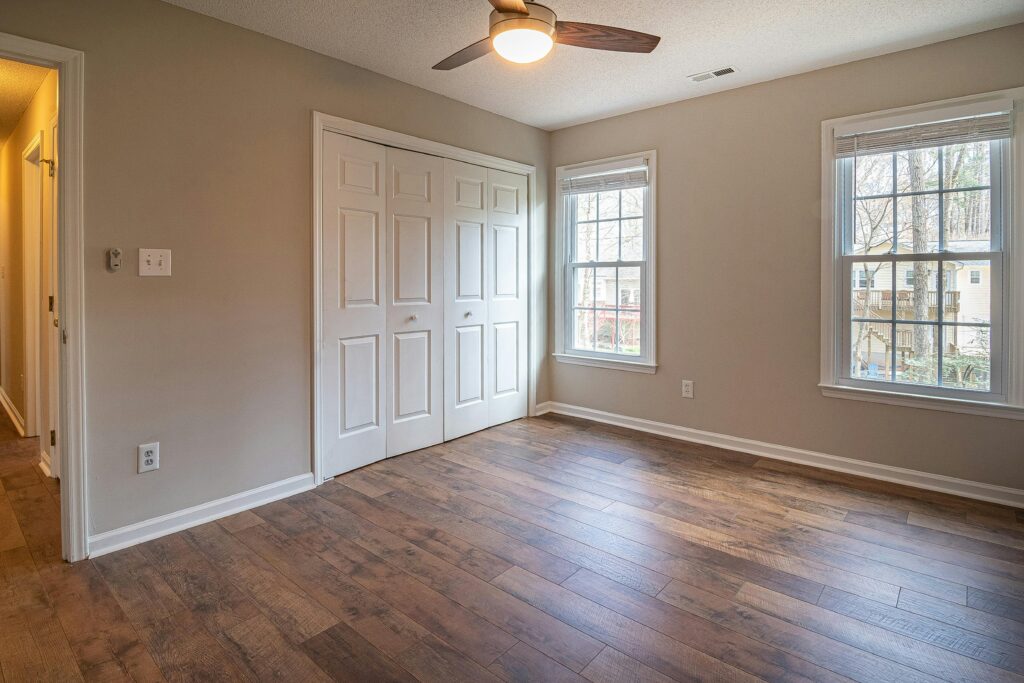
A little preparation on your end makes the job faster and the results better. You don’t need to do much, but skipping these steps wastes time.
Clear access to all your vents. Supply vents, return vents, move furniture, rugs, or anything blocking vent covers on floors, walls, and ceilings so the technician can reach every register without repositioning heavy items mid-job.
Locate your HVAC unit and make sure the area around it is accessible. The technician will connect the equipment there; they may need to inspect the air handler, coils, and blower compartment, not just the ducts themselves.
If you have pets, move them to another room or a crate. HEPA vacuums are loud. And if your pets shed heavily, let the technician know ahead of time, pet dander is one of the most common contaminants found packed into Houston ductwork.
Write down any symptoms you’ve noticed: odors from specific vents, uneven airflow between rooms, or recent water damage near the HVAC system. That information helps a trained technician focus the inspection and spot problems faster.
Conclusion
Scheduling duct cleaning services in Houston without doing any homework first is how homeowners end up paying twice. The right provider brings certified technicians, HEPA-grade equipment, and the knowledge to tell mold from dust. Verify credentials, ask about equipment, and prep your home before the appointment. Do those things, and you’ll get real results rather than a rushed job that leaves your air quality exactly where it started.