
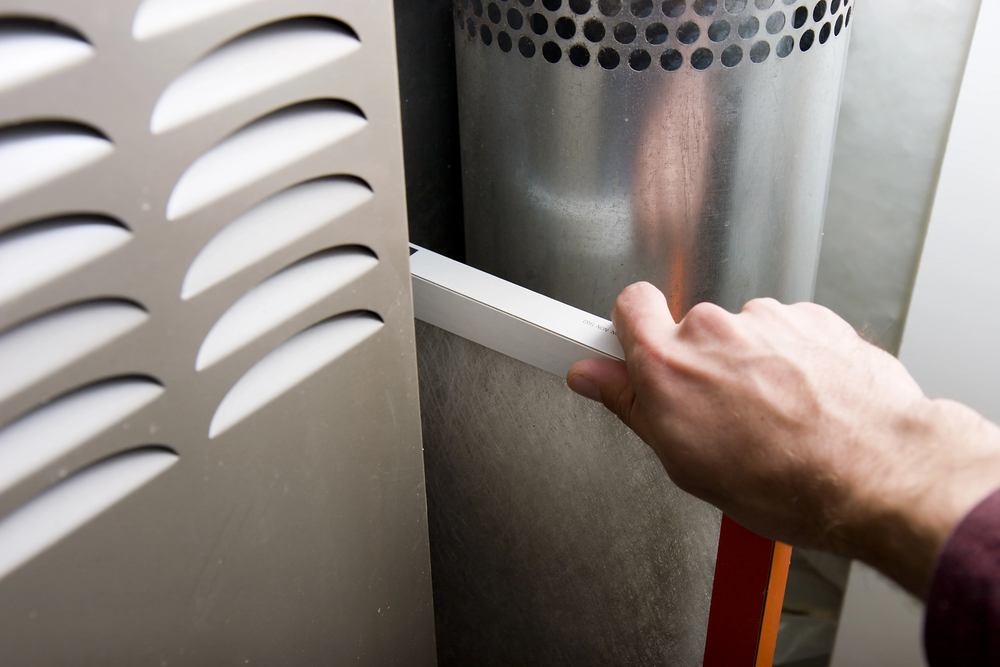
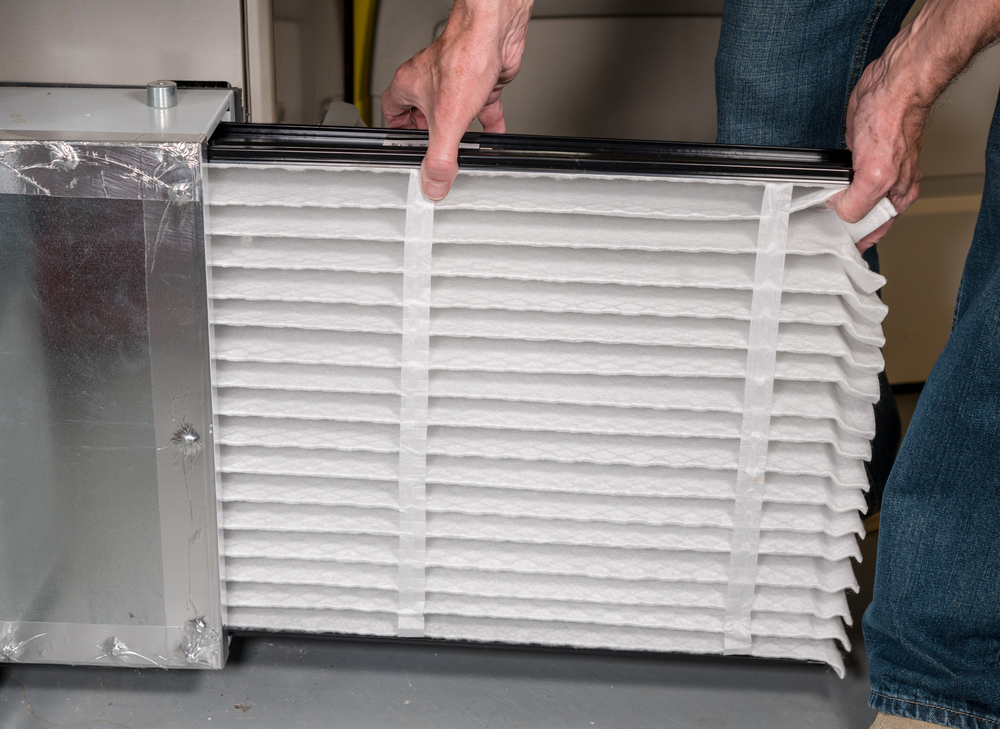
Installing a furnace filter the wrong way is one of the most common homeowner mistakes and honestly, it happens more than people admit. The confusing part is that everything still fits even when it is backwards. But furnace filter direction matters a lot more than it looks.
Regularly changing your furnace’s filter is important for two major reasons. For starters, making sure you change out your furnace’s filters every few months can help keep your furnace running smoothly by preventing dust and other airborne debris from clogging its system, provide cleaner air for you to breathe in your home, and help your furnace have a long lifespan. Additionally, if you keep your furnace’s filters clean, you may be rewarded with lower heating bills since your furnace can work less to heat your home. Most filters last about three to 12 months according to Consumer Reports, but that can vary depending on your furnace and the filters you are using; it’s best to monitor the filters you’re using perform to determine how often they need to be switched out.
In this guide, you will get the quick answer first, then clear step-by-step help, real examples and simple checks so you never second guess how to set air filters for furnace. If you remember one thing, remember this. The arrow isn’t decorative. It tells you exactly how air should move through the filter—your system depends on it.
Furnace Filter Direction Rule (The Arrow Rule)
What the Arrow on a Furnace Filter Means
That arrow printed on the side of the filter shows the direction of airflow through the filter media. It is not pointing to the front or back of the filter. It is showing where the air is going.
Which Way Should Furnace Filter Face?
The arrow should always point toward the furnace or blower motor. Air is pulled in through the return vents, passes through the filter and then enters the furnace. So the arrow points in the direction of the furnace itself.
Signs Your Filter Is Backwards
If your furnace filter direction is wrong, your furnace system will usually tell you in subtle ways:
- The airflow feels weaker than normal
- The vents are blowing less air
- The system runs longer to reach the set temperature
- Dust seems to return faster
- You may hear whistling or strain sounds
How to Tell Which Way Air Flows in Your Furnace
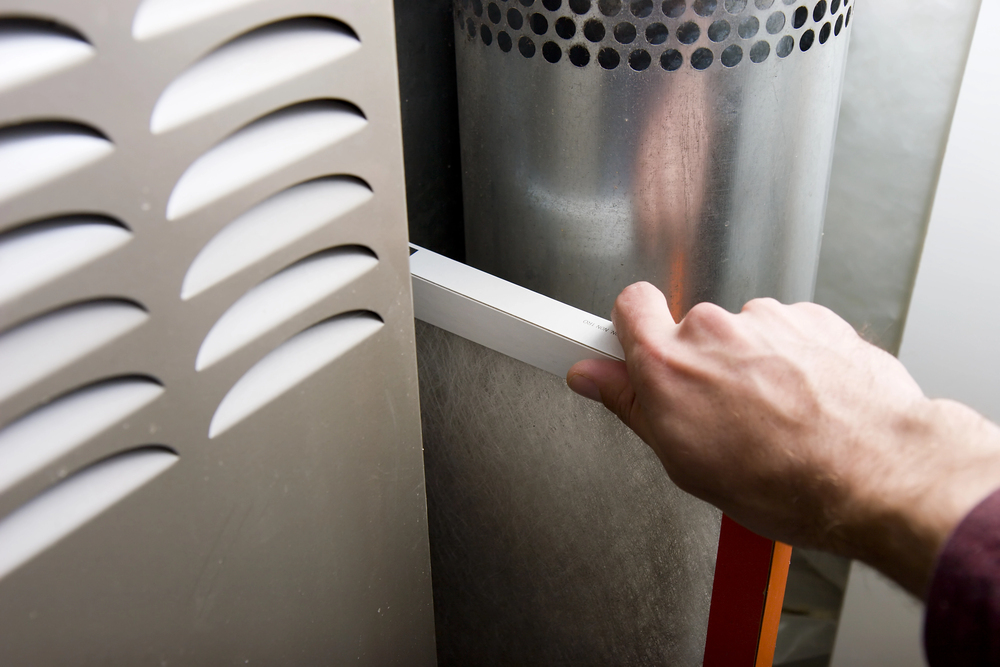
Return Air vs Supply Air (Simple Explanation)
Return air pulls air from rooms into the HVAC system. Supply air pushes heated or cooled air back out through your home’s vents. Filters always sit on the return side, before the air reaches the blower.
Quick Ways to Identify Airflow Direction
- Look for arrows or labels on the furnace housing or filter slot
- Find the return duct; it is usually larger than supply ducts
- With the system running, carefully feel for suction near the filter slot
Always turn the thermostat off before swapping the filter. It keeps dust from being pulled into the system and protects the blower.
How to Tell Furnace Filter Airflow Direction
- The arrow always points toward the furnace and blower
- Air flows from the return vent into the unit
- The return duct is usually larger
- A light suction test near the filter slot confirms direction
Furnace Filter Direction Examples (Upflow, Downflow, Horizontal)
This is where most confusion clears up.
Upflow Furnace Filter Direction
Airflow moves from bottom to top, so the arrow points up.
Downflow Furnace Filter Direction
Airflow moves from top to bottom, so the arrow points down.
Horizontal Furnace Filter Direction
Airflow moves side to side depending on layout, so the arrow points toward the furnace.
Ceiling Return Filters (If Applicable)
These are often in hallways or ceilings. The arrow points toward the duct and furnace, not into the room.
| Furnace Setup | Airflow Direction | Airflow Direction |
| Upflow | Bottom to Top | Up |
| Downflow | Top to Bottom | Down |
| Horizontal | Side to Side | Toward furnace |
| Ceiling return | Toward duct | Toward duct or furnace |
This table matters because most guides explain it in words but never summarize it clearly.
What Happens If You Install a Furnace Filter Backwards?
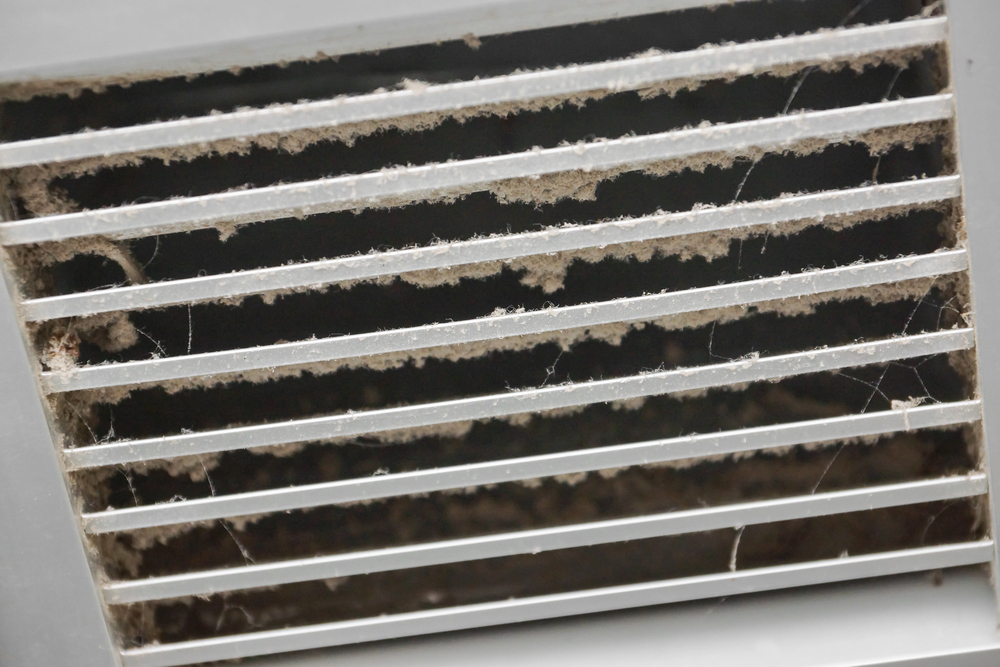
Installing a filter backward does not just reduce filtration. It affects the whole system. It could result in:
- Reduced airflow and restricted breathing
- Higher energy bills
- More dust and worse air quality
- Blower strain and long-term wear
- Pleated filters can collapse or stop working correctly
If you suspect your furnace’s filter was installed backward, replace it rather than flipping it. Once airflow has pushed debris into the wrong side, its performance will always be compromised.
Symptoms of Backwards Filter Installation
| Symptom | Why It Happens | What to Do |
| Reduced airflow | Filter resists flow | Replace correctly |
| Dusty home | Poor filtration | Confirm arrow |
| Higher bills | System works harder | Check filter and MERV |
| Whistling | Wrong size or clogged | Recheck size |
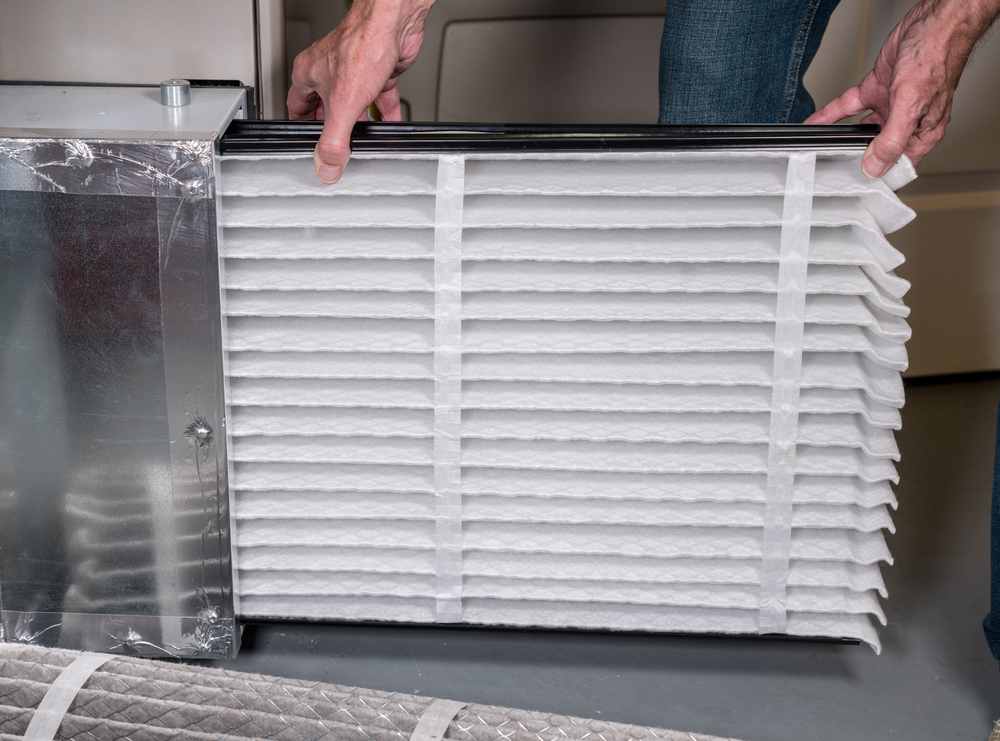
Step by Step: How to Replace a Furnace Filter Correctly
Before You Start
- Turn the system off
- Verify the filter size from the old filter or system label
Replace It in 5 Steps
- Remove the old filter carefully so dust does not spill
- Locate the arrow on the new filter
- Identify airflow direction toward the furnace
- Insert the filter with arrow pointing toward the furnace
- Seal the slot or grille and restart the system
A close up photo of the arrow on the filter helps if you want to double check later.
Choosing the Right Furnace Filter (Size, MERV, Type)
This is where many people accidentally create airflow problems.
Filter Size Matters
The wrong size allows air to bypass the filter or causes whistling and leaks. Always match the printed size exactly.
Best MERV Rating for Most Homes
Most homes do best with MERV 8 to 13. This range balances filtration and airflow without stressing the system. MERV stands for Minimum Efficiency Reporting Value, and the higher the MERV rating, the best it blocks dust and other particles from getting into your furnace.
Where to Buy Quality Filters
Reliable sizing and clear airflow markings make replacement easier. Many homeowners choose trusted sources for air filters for furnace so they are not guessing on fit or quality.
Where to Buy Quality Filters
Reliable sizing and clear airflow markings make replacement easier. Many homeowners choose trusted sources for air filters for furnace so they are not guessing on fit or quality.
If you’re also considering upgrading the furnace itself or adding a separate air purifier to complement filter-based filtration, The Trade Table carries Modine and other major furnace brands, plus standalone air purifiers from Austin Air, PuroAir, and AlorAir. Pairing a high-quality furnace filter with a dedicated air purifier is the most effective approach for homes with allergies, pets, or higher-than-average dust load.
FAQs
Q1. What direction does a furnace filter go?
A. The arrow points toward the furnace or blower motor.
Q2. What direction is airflow on the furnace filter?
A. Air flows from the return vent, through the filter and into the furnace.
Q3. Which direction should the furnace filter face?
A. The arrow should face inward toward the unit, never toward the room.
While all this information may seem like a lot—once you get the hang of changing your furnace’s filter, it’ll soon become a lot easier and will start to feel like second nature. You’ll also be able to rest easy knowing that you are doing your best to keep your system running efficiently and your home’s air clean.