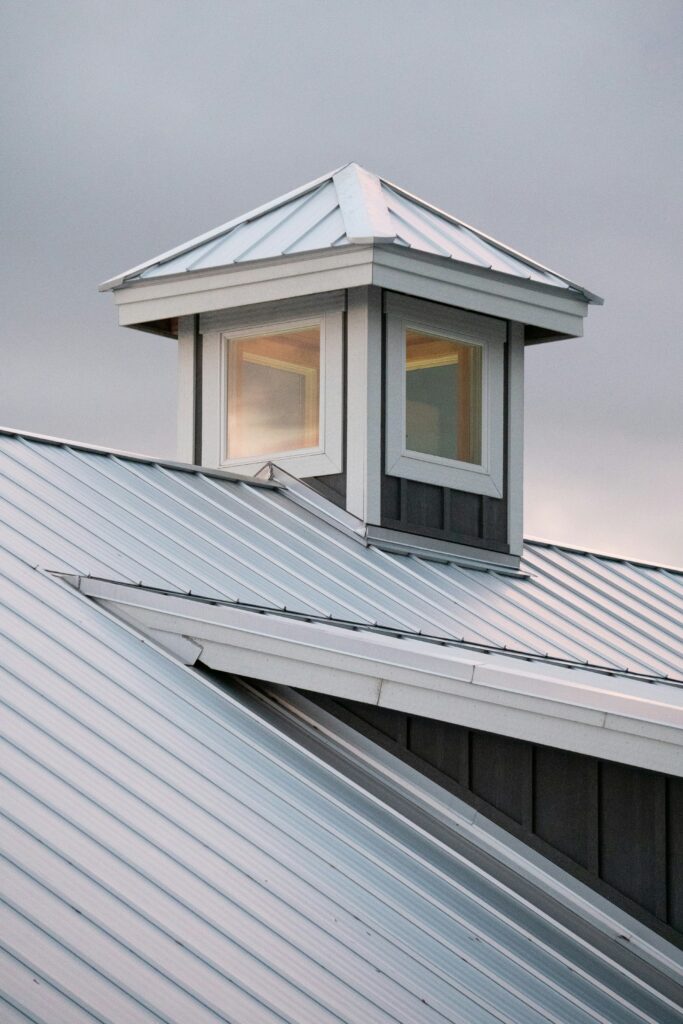
Whitefish sits in a part of Montana where snowfall isn’t a seasonal inconvenience, it’s a defining design constraint. With elevations ranging from around 3,000 feet downtown to over 4,500 feet up toward Big Mountain, and annual snowfall commonly running 65 to 80 inches or more depending on exactly where a home sits, roofing decisions here carry more structural weight, literally, than they do in most of the country.
Why Standing Seam Metal Has Become the Default
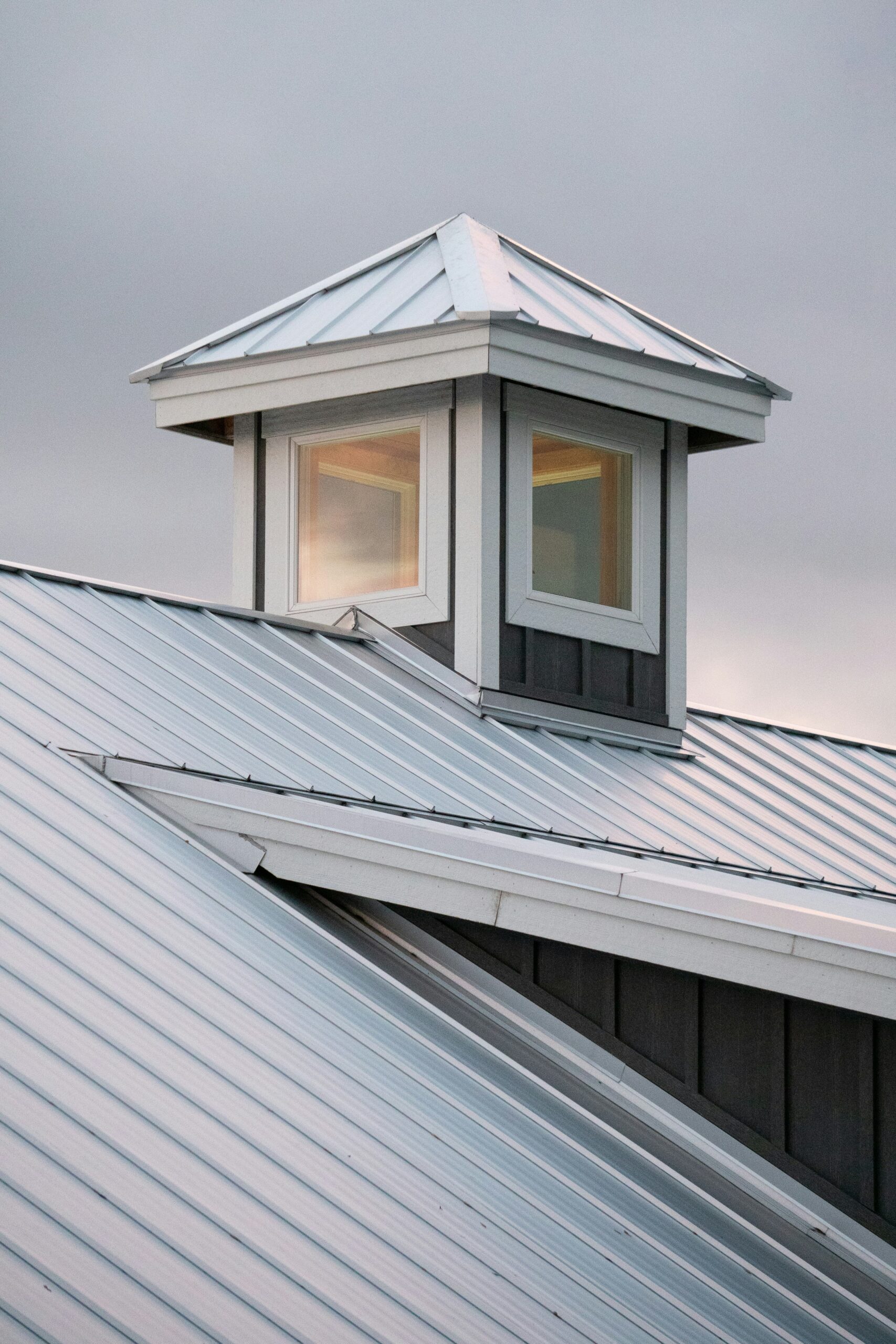
Ask a Whitefish roofer what performs best under these conditions and the answer is almost always standing seam metal roofing. The reason comes down to how the panels handle snow. Standing seam systems have a smooth, low-friction surface with fewer ribs than other metal panel profiles, which lets accumulated snow slide off naturally rather than sitting and building up layer after layer through the winter.
That matters because snow load isn’t just an inconvenience, it’s a genuine structural concern. Heavy accumulated snow adds substantial weight to a roof structure, and the longer it sits, the more risk it creates for leaks, ice dams, and in severe cases, structural strain. A roofing material that sheds snow quickly reduces how long that weight sits on the building.
Standing seam panels also use a concealed fastener system, where the screws and clips are hidden beneath the overlapping seams rather than exposed on the surface. That keeps moisture and ice from working directly against fastener holes, one of the more common failure points on lower-quality metal panel systems.
The Snow-Shedding Trade-Off Worth Knowing
The same quality that makes standing seam metal so effective at managing snow load, its slick, fast-shedding surface, also creates a real safety consideration. Snow that releases suddenly from a steep metal roof can come down in a heavy sheet with real force, which is a hazard for anyone standing below, and can damage landscaping, vehicles, or lower roof sections in its path.
This is why a properly designed metal roof in snow country almost always includes an engineered snow retention system, snow guards or rails positioned to control how and when accumulated snow releases, rather than letting it all come down at once. Skipping this detail is one of the more common mistakes in metal roof installations in mountain climates, and it’s worth confirming with any contractor bidding the project.
Elevation Changes the Calculation Within the Same Zip Code
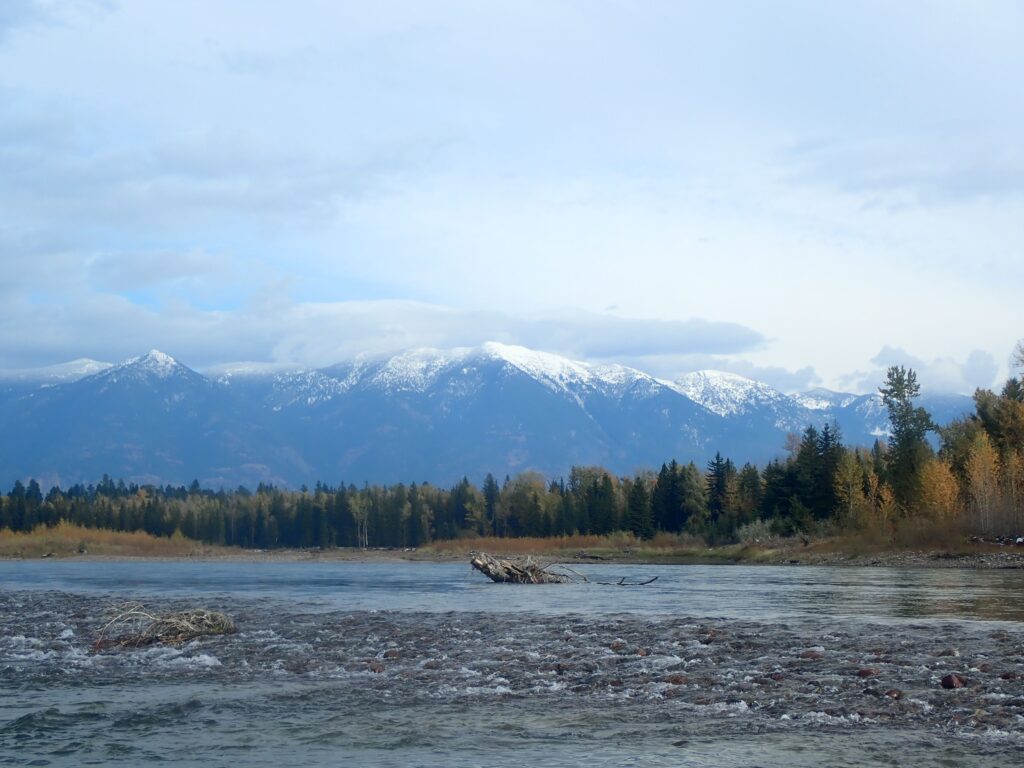
One detail that catches some homeowners off guard: Ground snow loads in the Whitefish area vary significantly even within a single zip code, because elevation changes so much across town. A home near Whitefish Lake’s north shore or up in the Big Mountain area faces meaningfully higher snow loads than a home closer to downtown at a lower elevation. That means the framing, fastening specifications, and even the recommended panel gauge can differ from one property to the next depending on exactly where the home sits.
What This Means for Homeowners Weighing Options
For homeowners deciding between materials, a few points are worth keeping in mind:
- Standing seam metal typically costs more upfront than asphalt shingles, often two to three times as much, but its 50-plus year service life and minimal maintenance needs make it a strong long-term value for a climate this demanding
- Reinforced, high-wind and impact-rated asphalt shingles remain a viable, lower-cost option when paired with proper underlayment, ice-and-water shield along the eaves, and attention to attic ventilation to prevent ice dams
- Any roofing system in this climate needs a heavy-duty underlayment designed for snow country, since standard felt underlayment isn’t built to handle the freeze-thaw cycling and moisture exposure typical here
Getting the Details Right for Your Property
Because ground snow loads and structural requirements vary so much even within the same area, a generic installation approach isn’t enough here. Working with an experienced provider of metal roofing in Whitefish, MT means getting a system engineered for your home’s specific elevation and exposure, not just a standard package applied without accounting for what your particular property actually faces each winter.