Photo courtesy of depositphotos.com
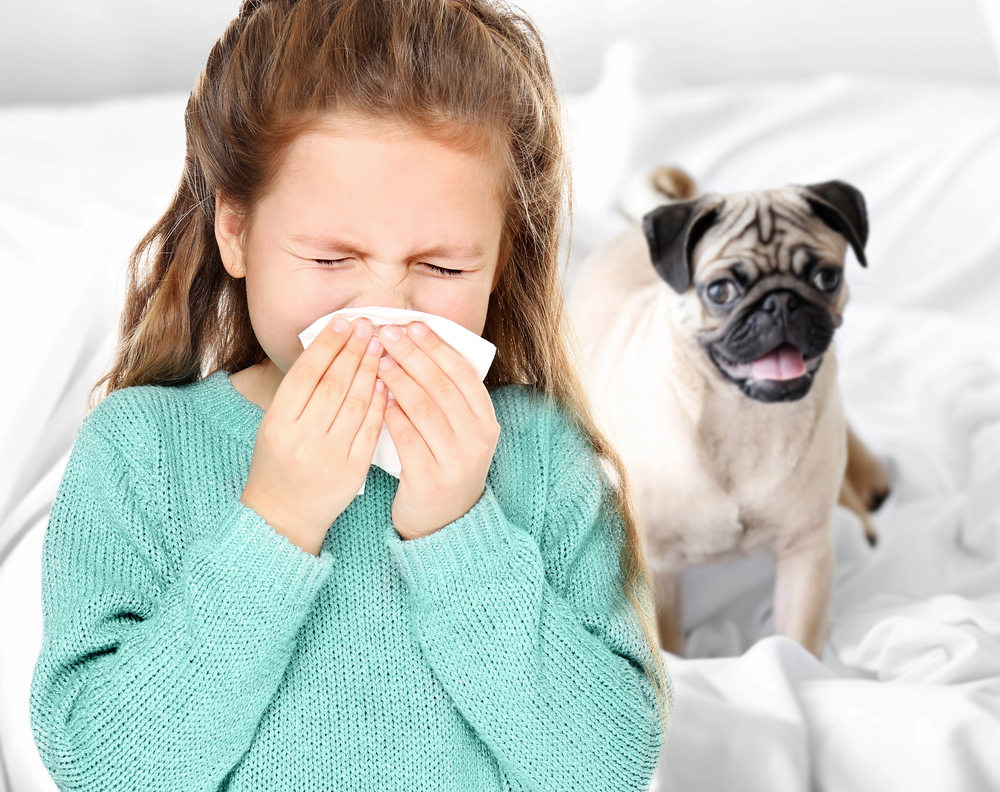
When kids are congested and start coughing during winter, the first thought is often a cold or the flu. However, allergies can also cause these symptoms and many more. If you have a child who sneezes, coughs and has a runny nose all winter, they may be experiencing a winter allergy.
Unlike spring and fall allergies that typically occur because of tree, grass or weed pollen, winter allergies are more likely to happen because of indoor allergens. Understanding the triggers, testing options and available treatments can help you reduce their symptoms and keep your children comfortable while they’re stuck inside.
How Common Are Winter Allergies in Children?
Winter allergies are fairly common in kids, especially those with other risk factors like asthma, eczema or a history of seasonal allergies during other times of the year. Because children often spend more time inside during the winter, their exposure to indoor allergens may be heightened.
Winter allergy symptoms can look a lot like a lingering cold with:
- Chronic congestion or a runny nose
- Postnasal drip
- Sneezing and coughing
- Itchy and watery eyes
- Trouble sleeping because of congestion or a cough
- Fatigue
- Worsening asthma symptoms and increased inhaler use
These symptoms could last for weeks or even drag on for months and likely return each year. If this sounds like your child, you should discuss the possibility that they have winter allergies with their pediatrician.
Common Winter Allergy Triggers in Your Home
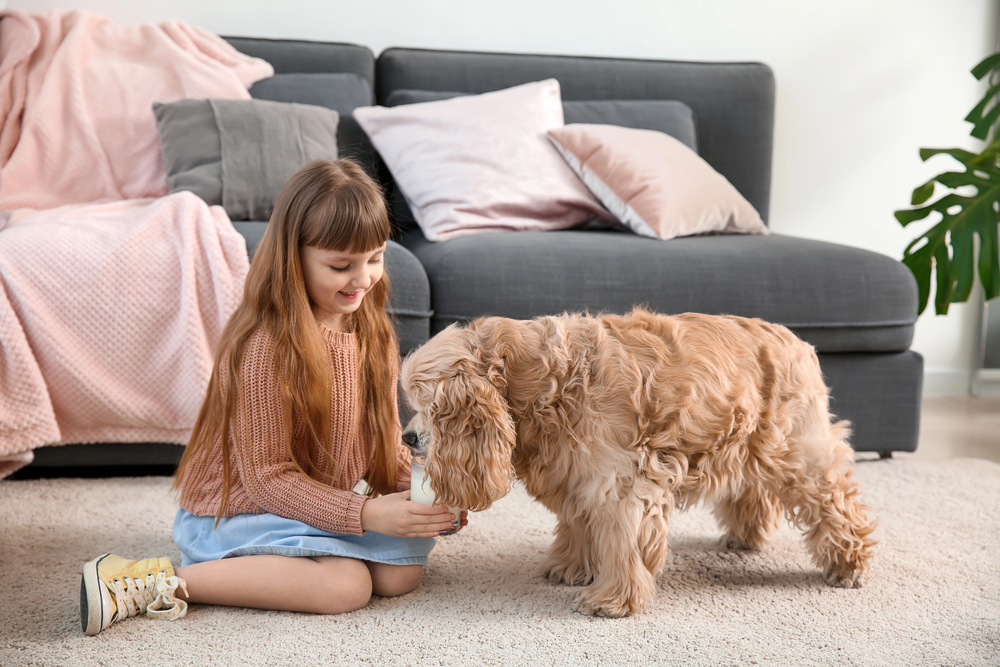
Photo courtesy of depositphotos.com
While some plants release pollen in winter—the juniper family, including cedar, is notorious for this—most winter allergens come from indoor sources. Families close up their homes to keep the cold out, and this can trap allergens inside. Some common winter allergens include:
Dust
Dust and dust mites are a common cause of allergies in kids. Not only can dust accumulate on surfaces, but dust mites can live in bedding, pillows, carpeting and upholstered furniture.
Pet Dander
Pet dander accumulates in carpets, pet bedding, blankets and furniture. Even children who are not typically allergic to family cats or dogs may develop symptoms during winter when they spend more time indoors with their furry friends.
Mold
Winter condensation, with heat inside and cool outside, encourages mold growth around windows, while poor ventilation can cause problems in kitchens, bathrooms and basements.
Indoor Air Irritants
Many children have sensitive airways. Even if they do not have a true allergy to an irritant, they may develop symptoms. Pay attention to how your children react to fireplace smoke, scented candles, air fresheners and new cleaning products.
Diagnosing Winter Allergies
If your child has symptoms that could indicate a winter allergy, their pediatrician will likely recommend allergy testing. Allergy testing is done under controlled conditions and is safe. There are generally two ways to test your child for allergies:
- Skin prick testing applies a small amount of the allergen to the skin to see if a reaction occurs
- Blood tests measure allergy-related antibodies in the blood to determine if the body reacts to the allergen
By undergoing proper testing, you can identify your child’s allergens and develop a plan to manage them without guessing what is causing a problem.
Treating Options for Your Child’s Winter Allergies
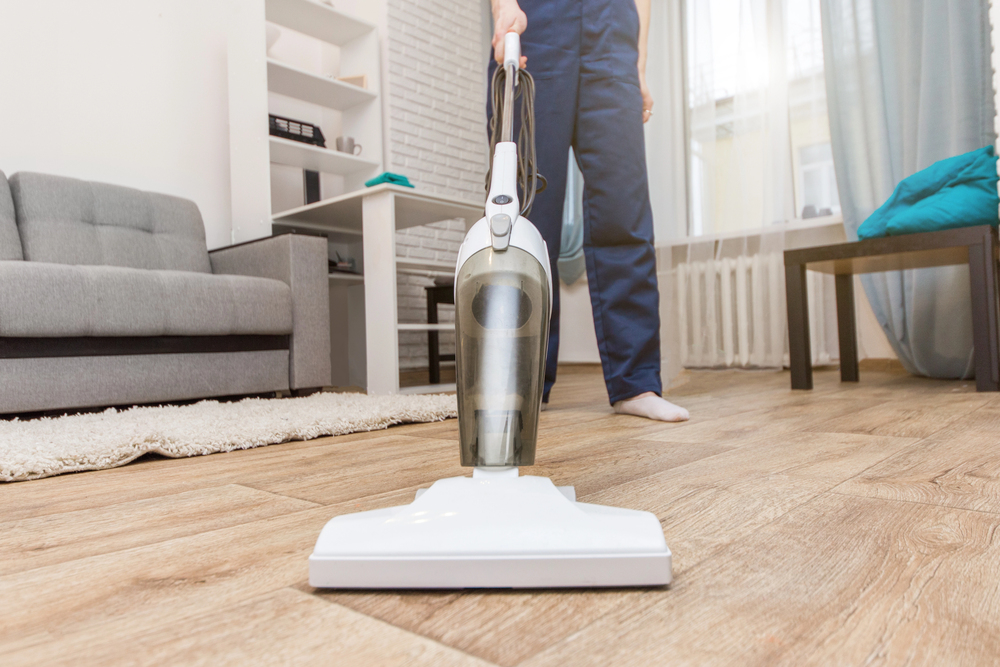
Photo courtesy of depositphotos.com
The best options for treating your child’s allergies depend on their symptoms, severity, age and allergens. Some options for management or treatment include:
Reducing Exposure
You can reduce your child’s exposure to common household allergens by washing bedding regularly in hot water, vacuuming with a machine that has a good HEPA filter, keeping pets out of bedrooms and eliminating irritating scents. You could also try to reduce indoor allergens by keeping surfaces uncluttered, and avoiding wall-to-wall carpeting, heavy drapes and overstuffed furniture.
Medications
In children with mild allergies, medications may help control their symptoms. Your pediatrician can advise you on the use of antihistamines, nasal corticosteroids, saline rinses and other drugs.
Allergy Immunotherapy
For children with severe or persistent symptoms, allergy immunotherapy may be the best option. This treatment option takes time but is often effective at reducing the child’s allergy symptoms for years to come. Allergy immunotherapy treatment may be given via allergy shots or sublingual drops.
Helping Your Kids Breathe Easier All Winter
Winter allergies in kids are often overlooked or written off as another illness. Identifying the allergens can help you manage their symptoms and prevent months of sniffing and coughing. Winter allergies can affect sleep, school performance, asthma control and overall quality of life.
If your child’s symptoms last more than a couple of weeks, talk to their doctor. Pursuing proper allergy testing and following a personalized treatment plan can help them remain healthy and active throughout the winter months.
This post contains Amazon affiliate links.