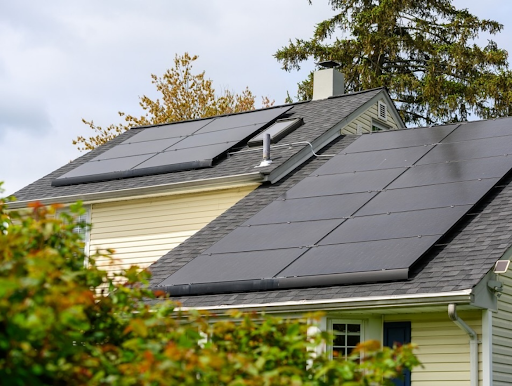
Are you looking to take control of your energy future while positively impacting the environment? As more homeowners embrace clean energy solutions, solar panels have emerged as a practical way to reduce monthly electricity costs while increasing property value.
By switching to solar power, you can shield yourself from unpredictable utility rate hikes, access valuable tax incentives, and contribute to a more sustainable future—all while potentially seeing your investment pay for itself through accumulated savings.
Evaluating Potential Savings and Benefits
Switching to solar power can bring multiple advantages for homeowners looking to reduce their environmental impact while saving money. Solar installations help reduce monthly electricity costs and increase your property’s market appeal.
Modern residential solar panels have become more efficient and affordable, making them an attractive option for eco-conscious homeowners who want to reduce their reliance on traditional power sources.
The impact of residential solar adoption continues to grow, with residential PV systems contributing 29% of total solar electricity generation in the U.S. This significant percentage shows how homeowners embrace clean energy solutions and take control of their power consumption.
What to expect from installing solar panels:
- Substantial decrease in utility bills through energy independence
- Enhanced home value that attracts future buyers
- Protection against rising electricity rates
- Reduced carbon footprint for your household
- Access to tax incentives and local rebates
The financial benefits of solar extend beyond immediate savings. By generating clean energy, you’ll shield yourself from unpredictable utility rate hikes while contributing to a greener future. Plus, many homeowners find that their solar investment pays for itself through accumulated savings over time.
National Adoption and Market Growth
The solar energy sector has transformed America’s power landscape, marking unprecedented growth in recent years. The shift to clean energy solutions has gained remarkable momentum, with solar installations becoming increasingly common across residential areas.
This rapid expansion reflects growing consumer confidence in renewable energy technology and its proven benefits for homeowners.
The numbers tell a compelling story about solar’s dominance in the U.S. energy market. In recent reports, solar installations added 69% of new electric capacity to the power grid, showcasing the strongest performance yet.
This substantial growth hasn’t happened by chance. It’s backed by years of technological improvements and decreasing installation costs.
Here’s what’s driving the widespread adoption of solar energy:
- Improved technology efficiency and reliability
- Decreasing installation and equipment costs
- Strong government support and incentives
- Rising awareness about environmental benefits
- Increasing electricity rates from traditional sources
The national expansion of solar technology has created a rich knowledge base for potential adopters. The Large-Scale Solar Database provides detailed insights into successful installations nationwide, helping homeowners make informed decisions.
This widespread acceptance of solar power systems shows they’re no longer just an alternative energy source but a mainstream choice for modern homeowners.
Understanding Suitability and Requirements
Before installing solar panels, knowing if your home meets the basic requirements for an efficient solar system is essential. Your property’s solar potential depends on several critical factors that can make or break the success of your investment.
The most vital elements influencing solar panel performance include your roof’s direction, the amount of daily sunlight your property receives, and the condition of your roofing structure.
South-facing roofs in the Northern Hemisphere typically capture the most sunlight, while properties with minimal shade from trees or nearby buildings can generate more solar power.
Here are the key factors a professional solar assessment will examine:
- Roof angle and orientation for optimal sun exposure throughout the day
- Structural integrity of your roof and its ability to support panel weight
- Shade patterns from surrounding trees, buildings, or other obstacles
- Local climate conditions and average sun hours in your area
A thorough solar evaluation by certified professionals helps determine the perfect setup for your home. They’ll analyze your current energy usage patterns and recommend the right system size to match your household’s needs. This assessment ensures you don’t over-invest in unnecessary capacity or end up with an insufficient system that fails to meet your energy requirements.
Navigating Installation, Costs and Incentives

Getting solar panels installed on your home involves several key steps that need careful planning. The process starts with a thorough assessment of your property and moves through various stages before the actual installation begins.
While the upfront investment might seem substantial, numerous financial incentives help make solar more affordable for homeowners:
- Initial property evaluation and system design
- Local permit applications and approvals
- Professional installation by certified technicians
- Final inspection and utility connection
- Documentation for tax credits and rebates
The payback period for your solar system can vary, depending on several factors. Your local electricity rates, available incentives, and the efficiency of your chosen system all play crucial roles in determining how quickly you’ll see returns on your investment.
Many homeowners find that combining federal tax credits with state-specific rebates and solar-friendly financing options makes the initial costs much more manageable. Some utility companies even offer special programs that reward solar adoption, reducing the time it takes to offset your initial expenses through energy savings.
Planning for Long-Term Value and Maintenance
Solar panels represent a substantial investment that can deliver long-term savings when properly maintained. Your solar system’s performance depends on regular care and attention to keep it running at peak efficiency.
With proper upkeep, these systems can reliably generate clean energy for years while adding significant value to your property. To maintain your solar installation’s optimal performance, here are the essential maintenance tasks you’ll need to handle:
- Regular cleaning to remove dirt, leaves, and debris that can reduce efficiency
- Annual professional inspections to check electrical connections and mounting hardware
- Monitoring system output through your inverter or mobile app
- Trimming nearby trees to prevent shade from affecting panel exposure
- Keeping detailed maintenance records for warranty purposes
Beyond routine maintenance, it’s crucial to consider potential future repairs and system upgrades as your energy needs change. Planning includes understanding your warranty coverage and setting aside funds for unexpected maintenance.
Many homeowners find that their solar investment becomes more valuable as electricity rates rise and environmental concerns grow. By taking a proactive approach to solar panel care, you’ll maximize your renewable energy system’s financial and ecological benefits.
Powering Your Future
Solar panels represent a significant shift in how homeowners can take control of their energy future while contributing to environmental sustainability. The combination of declining installation costs, increasing electricity rates, and generous incentives has made solar power an increasingly attractive option for many households.
As you consider switching to solar, remember that success lies in thorough research, professional evaluation of your property, and careful planning for long-term maintenance.
Discover more from momhomeguide.com
Subscribe to get the latest posts sent to your email.