
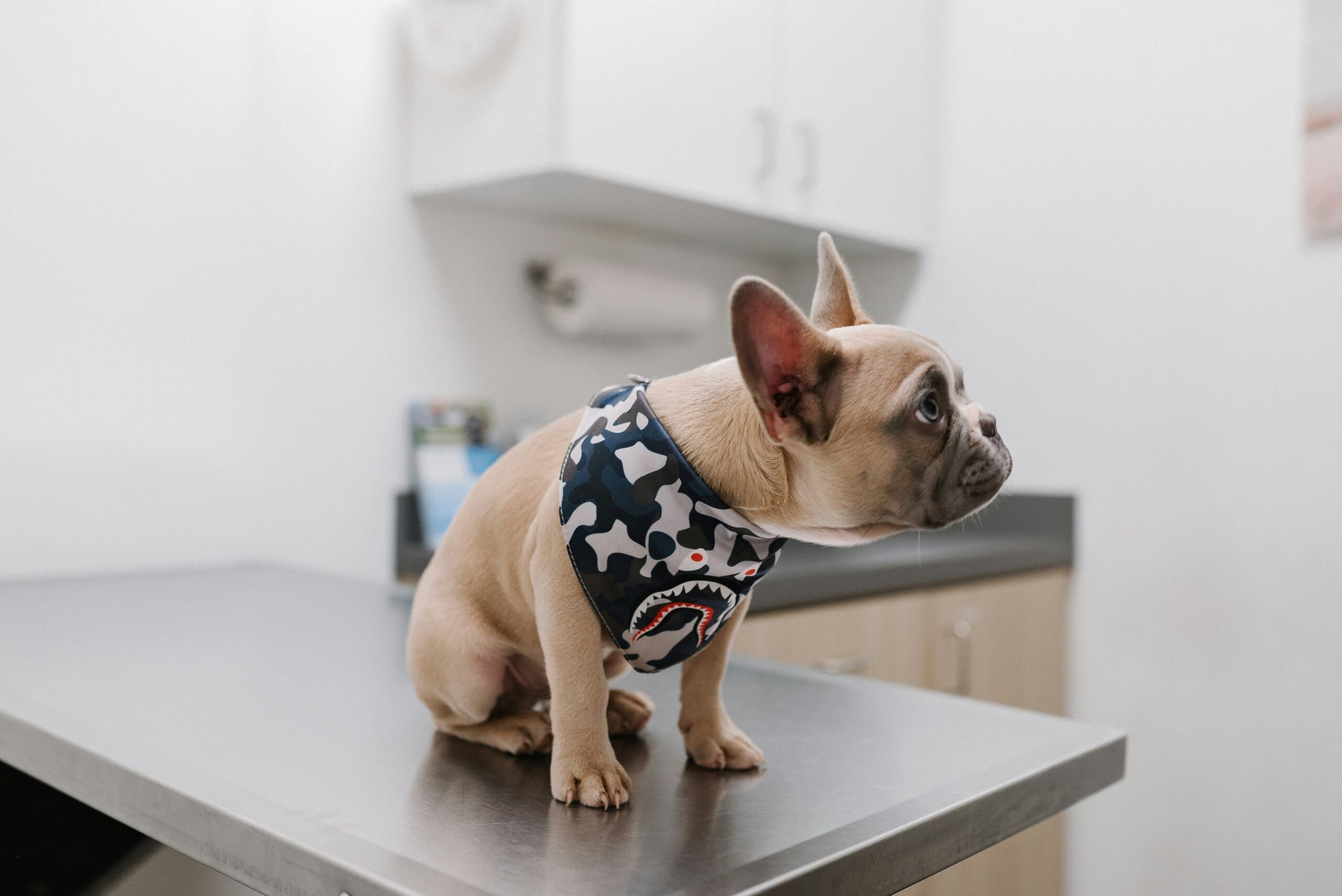
You have a special bond with your pet, and you’re usually the first to notice when something’s off. Maybe their tail isn’t wagging as much as it used to, or they’re not running to the door to greet you like they normally do. Just like us, pets can feel stressed and anxious, but they can’t exactly tell us what’s wrong.
When pets are stressed out for a long time, it can really hurt their health. They might not sleep well, eat properly or behave like they normally do. Even small problems can become big ones fast. But the good news is that if you know what to do, you can help your pet feel safe and calm again. By stepping in at the right time, you can make a big difference and help your pet feel better.

1. Excessive Grooming or Destructive Chewing
When animals get stressed, they do some weird things to calm down. Like, have you ever seen a cat lick itself too much? It can even get bald spots from doing it so much. When certain dogs get separation anxiety, such as French Bulldogs or Labradors, they might start chewing on things they shouldn’t, like your favorite shoes or the couch. Sometimes, they even chew on their own paws, which can be really bad for them and cause more health problems. It’s like they’re trying to find a way to deal with their stress, but they don’t always pick the best ways to do it.
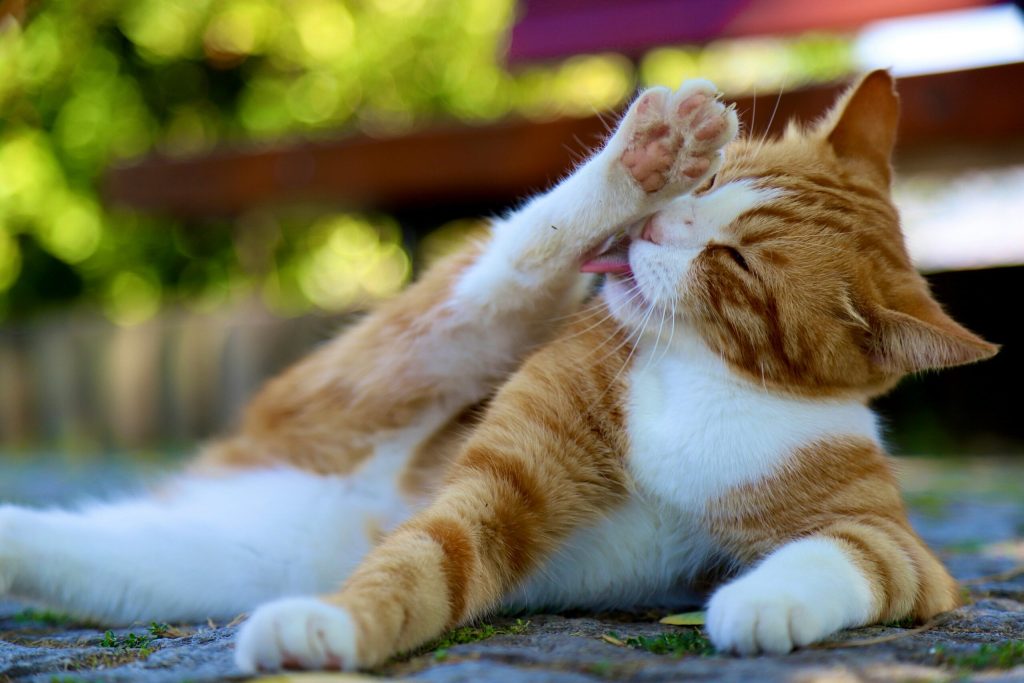
What to do: Keep your pet mentally stimulated with puzzle feeders and rotate toys regularly. For dogs, create a “chew station” with durable, safe toys. For cats, try scratching posts paired with calming cat pheromone sprays.
2. Changes in Eating Habits
If your cat’s appetite changes, it could mean something’s not right. Some cats get really stressed and stop eating, while others might eat too much to calm down. Either way, it’s not good for them.
What to do: Stick to a consistent feeding schedule and provide a quiet, calm space for meals. If appetite changes persist for more than a day or two, check in with your vet.
3. Hiding or Withdrawal
If your pet, who’s normally really social, starts to act differently and wants to be alone more often, it could be a sign that something’s bothering them. Maybe they’re sleeping a lot more than they used to, or they just seem really withdrawn. Cats might start hiding under the bed or in closets, while dogs might stop playing with you or avoid meeting new people. This can be a sign of stress, and it’s worth figuring out what’s causing it.
What to do: Don’t force interaction. Instead, give your pet a designated safe space — a quiet corner with their favorite blanket or bed — where they can retreat when overwhelmed.
4. Pacing, Trembling, or Restlessness
Large breeds can show this in a more subtle but heavy way. Instead of quick pacing, they may shift their weight, wander slowly around the home, or struggle to lie down and stay settled. Because of their size and calm nature, these signs are often missed until the stress builds.
What to do: Provide a calm environment with soft background music or white noise. Regular exercise is one of the most effective natural stress relievers — a tired pet is often a calmer pet.
5. Excessive Vocalization
If you notice your dog barking a lot more than they usually do, or your cat meowing really loudly, it could be a sign that they’re feeling stressed. Sometimes, dogs will bark a lot when they’re anxious, and cats might even growl or make loud meowing sounds when they’re feeling overwhelmed.
What to do: Identify the trigger. Is it happening when you leave? During thunderstorms? Knowing the “when” helps you address the root cause rather than just the symptom.
6. Litter Box Avoidance (Cats)
Even a previously well-trained cat can start urinating outside the litter box if it’s stressed, but it can also be a sign of a urinary tract infection or other health issue
So, if your dog is barking too much, the first thing to do is take them to the vet to make sure there’s nothing wrong with them. Once you’ve ruled out any medical issues, you can start looking into what might be causing the barking at home. Have there been any changes lately that could be upsetting your dog? Maybe something’s different in their environment that’s making them bark more.
7. Unusual Body Language
Stressed dogs may exhibit dilated pupils, rapid blinking, pinned ears, tucked tails or shifting their weight to their rear legs. Stressed cats may exhibit flattened ears, dilated pupils, crouching posture and tense body posture.
Get to know your pet’s normal behavior so you can spot any changes. Pay attention to how your pet usually stands, sits and moves around. If they’re acting differently, like holding their ears back or tucking their tail in, it could be a sign that something’s wrong. By learning what’s normal for your pet, you can catch any potential problems early on and help prevent bigger issues from developing.
8. Excessive Shedding
Show dogs that become nervous often “blow their coat,” and dogs also shed heavily when in stressful situations like a veterinary visit. While shedding is normal during seasonal changes, stress-induced shedding often occurs suddenly and in larger amounts.
To keep your pet’s shedding under control, try brushing them regularly. This doesn’t just help with the shedding, it’s also a great way to bond with your pet and can be really calming for them. If you notice that your pet is shedding a lot all of a sudden, think about what was going on around that time. This can help you figure out what might be stressing them out.
9. Aggression Out of Character
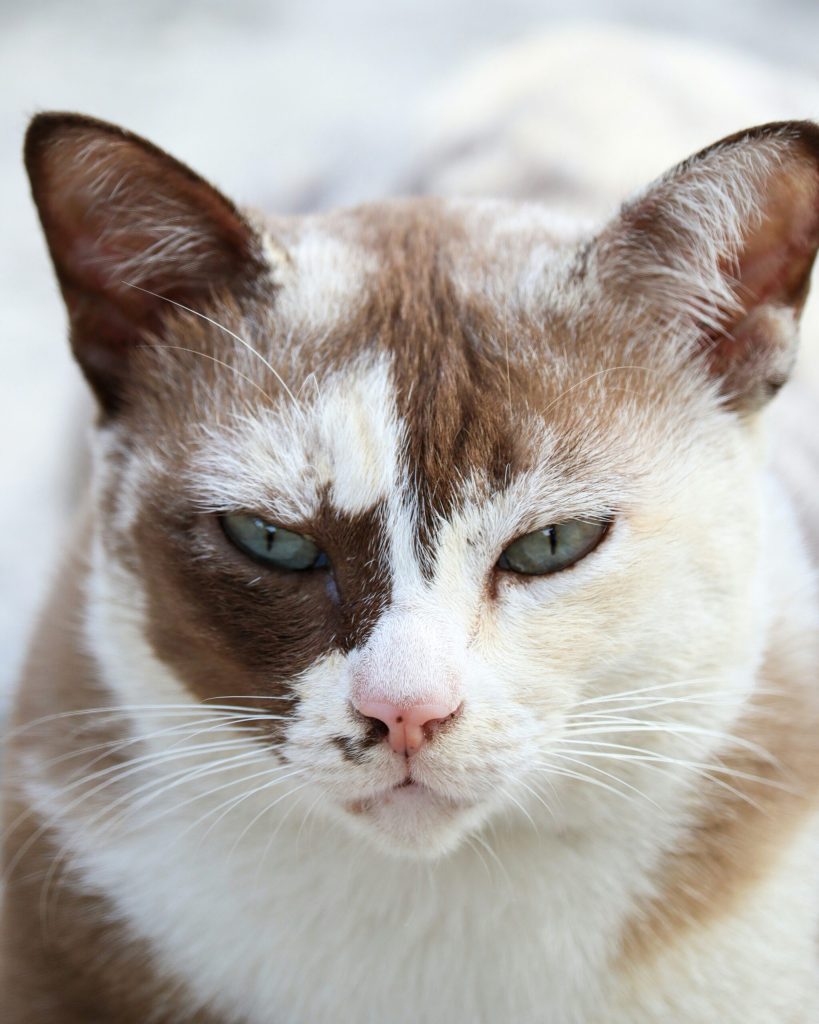
When cats are feeling stressed, they might get a bit nasty—hissing, swatting or even becoming super protective of their space around people or other pets. And it’s not just cats, dogs can get pretty worked up too. If they’re feeling fearful or anxious, they might turn on whatever’s scaring them, or sometimes they’ll even take it out on someone or something else that’s just nearby.
If your pet is acting aggressively due to stress, don’t scold or punish them—this can actually make their anxiety worse. What you should do instead is give them some space and take them out of the stressful situation. If the aggression happens a lot or is really bad, it’s a good idea to talk to a vet or an animal behaviorist for help. They can give you advice on how to handle the situation and make your pet feel more calm and safe.
10. Gastrointestinal Upset
Just like us, dogs can get really nervous and feel like they need to go to the bathroom right away. They might even get sick to their stomachs and throw up or have diarrhea. And it’s not just dogs—cats can get stressed out too, and it can affect their tummies in ways that are easy to miss.
If your pet is having some tummy troubles, it’s a good idea to keep track of when the symptoms happen and if they seem to occur when your pet is stressed. If the digestive issues don’t go away, you should take your pet to the vet to make sure there isn’t a more serious problem going on.
What Causes Pet Stress in the First Place?
Our pets can get really scared of things like thunderstorms and fireworks, but that’s not all. Sometimes, even small changes at home can freak them out. Like, if you bring a new pet into the house, it can be really stressful for them. Or, if they’ve had a bad experience with another animal in the past, it can leave a lasting impression. As pets get older, they can also get a bit confused and anxious, which doesn’t help. And, believe it or not, even when people in the house are arguing, it can make our pets feel tense and uneasy, even if they’re not directly involved in the conflict. It’s like they can sense the bad vibes in the air.
Simple Steps to Help Your Pet Decompress
Make a cozy spot for your pet to unwind. Set up a peaceful area with comfy blankets and familiar scents, so they can chill out whenever they need to. This quiet corner will be their own little haven, where they can escape and feel safe.
Keep routines consistent. Predictability is deeply comforting to animals.
Try calming products. Pheromone diffusers and sprays like Feliway (for cats) and Adaptil (for dogs) mimic natural calming pheromones, and anxiety wraps like Thundershirts can also help.
Increase enrichment. Mental and physical exercise burns off nervous energy and improves mood.
You should talk to your vet about this. If your pet is really struggling, the vet might suggest some special medicine or supplements like L-theanine supplements for dogs or melatonin chews for cats to help calm them down and get their brain chemistry back on track.
When to See a Vet
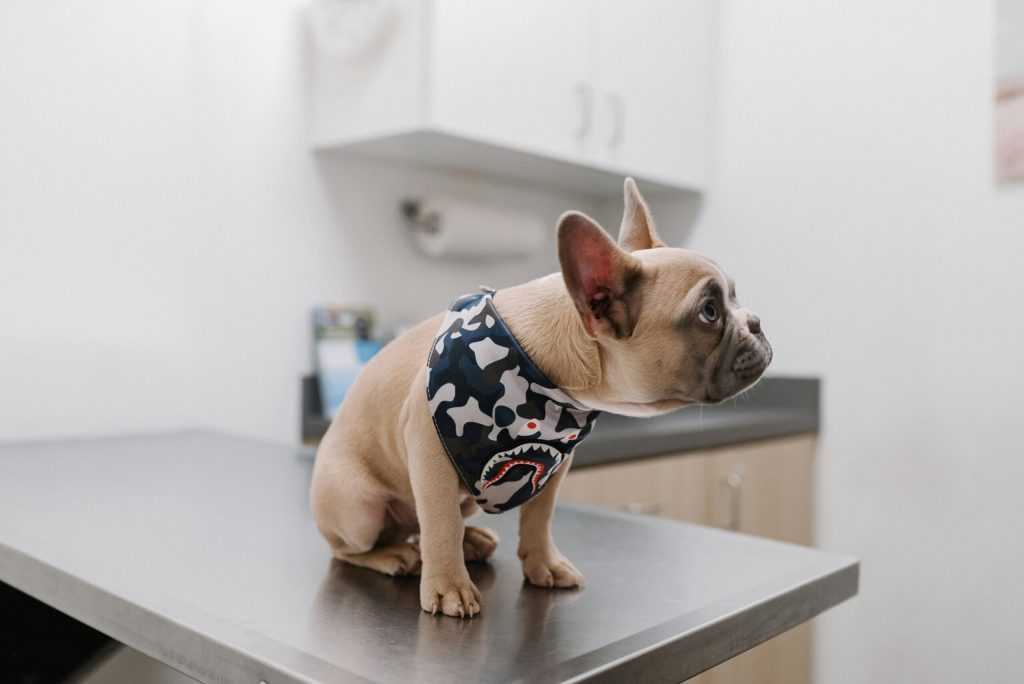
If your pet is feeling anxious and it’s affecting their daily life, like eating or grooming, you should take them to see a vet. Sometimes pets just get a little stressed and it goes away on its own, but if it’s a bigger problem that doesn’t go away, they need some help.
If you think something is wrong with your pet, you’re probably right. Don’t wait to see if the problem goes away on its own—take action as soon as you notice anything out of the ordinary. The sooner you help your pet feel better, the easier it will be to treat whatever is wrong, and the happier your pet will be. Trust your instincts and don’t hesitate to get help if you think your pet needs it.
This post contains Amazon affiliate links.