
After a long day of meetings, deadlines and screen time, the idea of unwinding can feel elusive. Scrolling through your phone rarely helps, and passive entertainment often leaves you feeling more drained than restored.
What actually works for many people is creative engagement—activities that occupy your hands and focus your mind on something tangible, present and entirely your own. The following five hobbies are worth exploring if you’re looking for a meaningful way to decompress.
1. Wood Engraving: A Surprisingly Meditative Craft

Few hobbies combine accessibility with genuine artistry quite like wood engraving. The process is straightforward: You use an engraving pen to etch designs, patterns or text into wooden surfaces, and the results are immediately satisfying. There’s something deeply calming about working slowly and deliberately on a small project—a personalized coaster, a custom cutting board or a decorative wooden sign for your home.
Why It Works for Beginners
What makes engraving particularly appealing for newcomers is that it requires very little setup. You don’t need a workshop or expensive equipment. A quality engraving pen and a smooth wooden surface are all you need to get started.
For those interested in exploring this craft, Resparked offers a dedicated wood-engraving kit, available at https://resparked.com/, and designed with beginners in mind. This makes it easy to go from unboxing to your first finished piece with no prior experience.
Easy First Projects to Try
- Personalized wooden coasters with initials or simple patterns
- Custom cutting boards engraved with family names or quotes
- Decorative plant markers for an herb garden
- Gift tags and keepsake ornaments for holidays
The focus required to trace a clean line or replicate a pattern is the kind of single-pointed attention that naturally quiets mental chatter. Many hobbyist engravers describe the experience as similar to meditation — you’re fully present, working with your hands and creating something lasting.
2. Watercolor Painting for Imperfect Expression
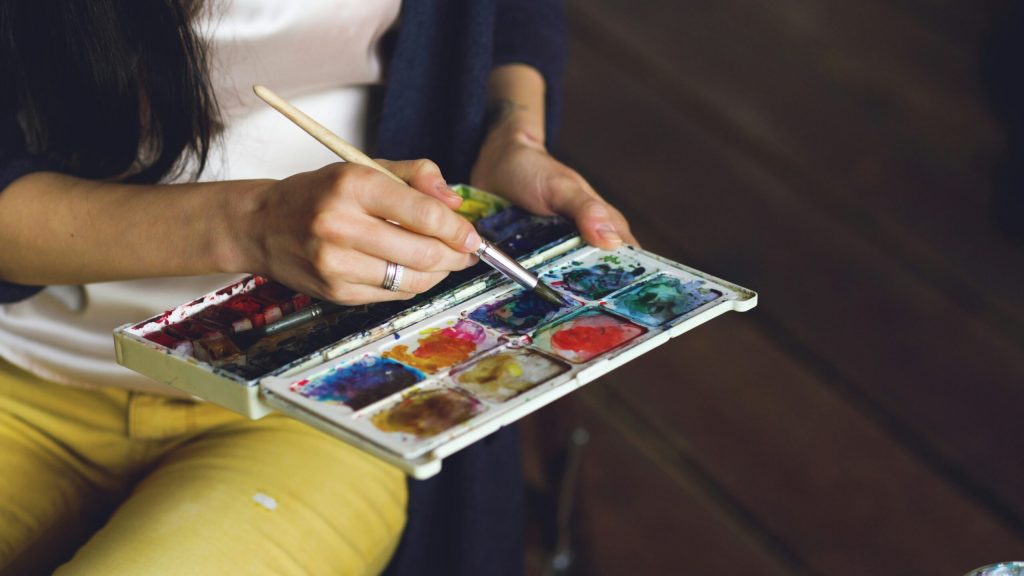
Watercolor is one of the most forgiving and expressive art forms available to casual artists. Unlike oil or acrylic, watercolor encourages a loose, spontaneous approach. Blooms, bleeds and happy accidents are part of the process, which makes it liberating for anyone who tends toward perfectionism.
The Low-Pressure Appeal
You don’t need talent to enjoy watercolor—all that’s necessary is curiosity. Start with basic washes of color, paint landscapes from photos, or simply let pigment spread across wet paper without any plan. The practice of making something visual shifts your focus away from the analytical thinking that dominates most workdays.
What You Need to Get Started
- A beginner watercolor set (pan or tube paints both work well)
- A few round brushes in varying sizes
- Cold-press watercolor paper (heavier weight holds up better)
- A jar of water and a simple palette
Many people find that even 20 minutes of painting after dinner is enough to feel genuinely recharged.
3. Sourdough Baking
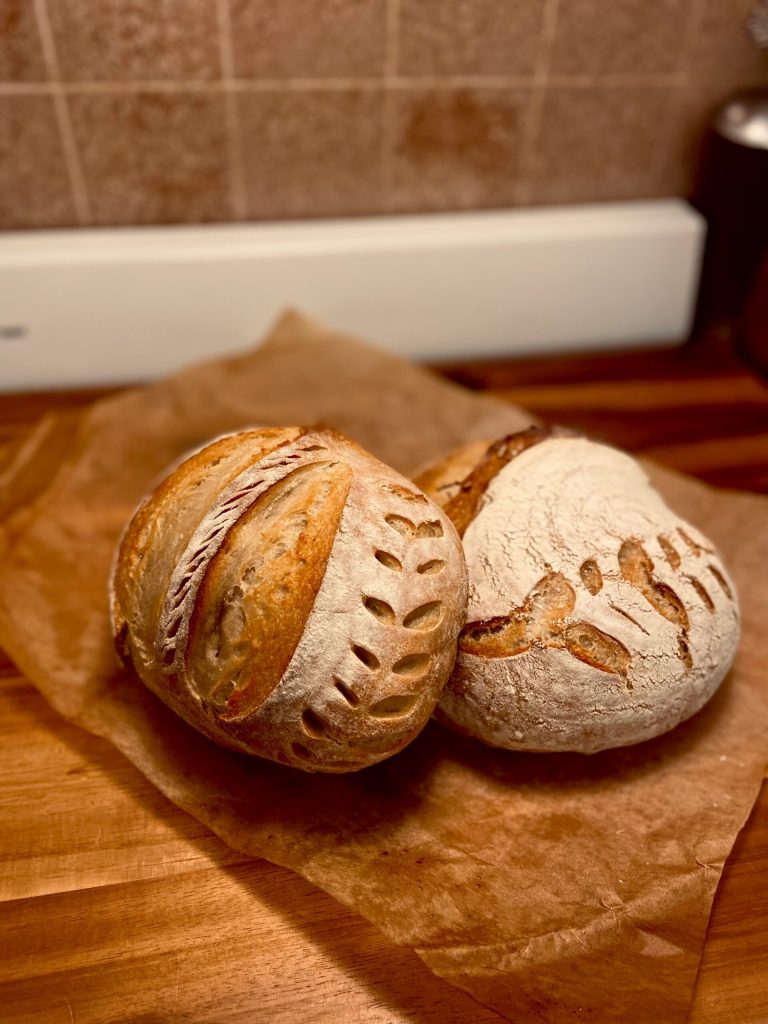
Sourdough has sustained its popularity for good reason. Tending a starter, mixing dough by hand, and shaping loaves is a process that rewards patience and attention in equal measure. The timeline of sourdough—long fermentation, slow rises, deliberate baking windows — naturally pulls you out of the urgency mindset that characterizes modern work life.
Why Sourdough Is More Than Just Baking
There’s something satisfying about working with living cultures and real ingredients. The sensory experience of kneading dough engages parts of your brain that most desk jobs never touch—texture, smell, timing and physical effort all combine into something genuinely grounding.
Tips for Getting Started
- Begin with a simple country loaf recipe before attempting anything elaborate
- Commit to one bake per weekend to build consistency without pressure
- Keep a small notebook to track hydration levels and fermentation times
- Join an online sourdough community for troubleshooting and encouragement
The learning curve is real, but the process itself is the reward.
4. Hand Lettering and Calligraphy
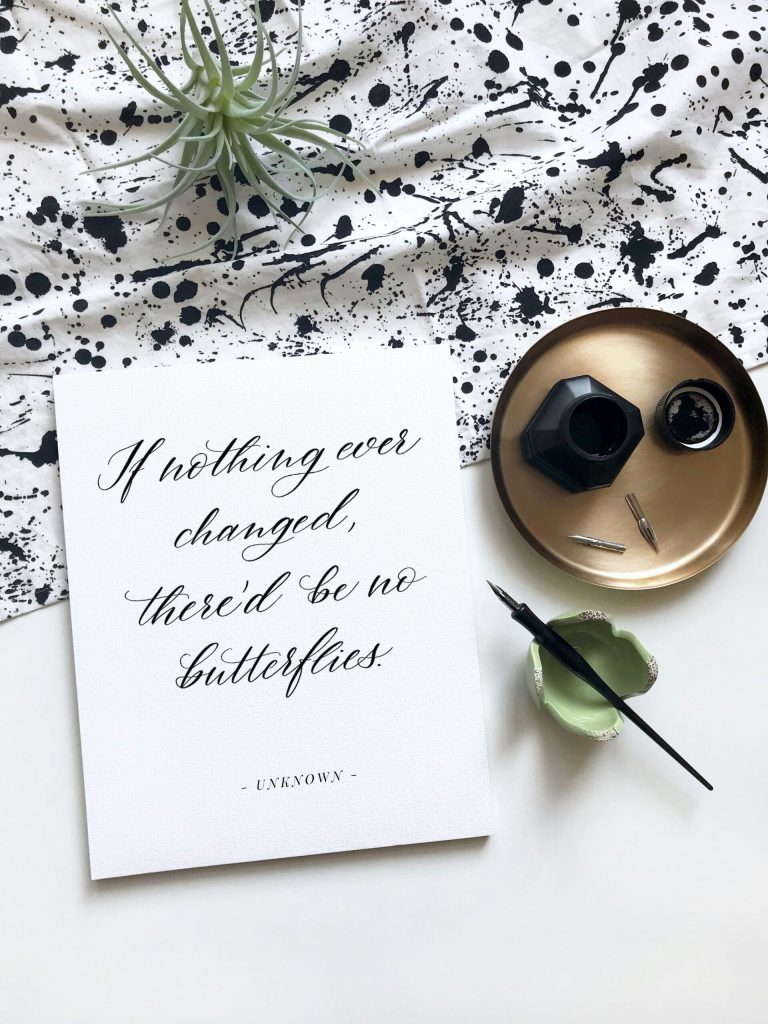
There’s a reason bullet journaling and hand lettering communities have grown so steadily—the act of writing slowly and beautifully is inherently calming. Hand lettering involves creating decorative letterforms using brushes, pens or markers, and calligraphy takes that further with traditional pen nibs and ink.
The Stress-Relief Science Behind Slow Writing
Both practices are excellent for unwinding because they require focused, controlled movement. You can’t rush calligraphy. The physical discipline of forming consistent strokes trains your attention and slows your breathing, which translates directly into stress relief.
Supplies to Start With
- A brush pen set for modern lettering styles
- Free practice sheets available through lettering blogs and Pinterest
- A lightbox for tracing letterforms while building muscle memory
- A dedicated sketchbook kept separate from work notes
Many beginners find that copying quotes or lyrics in decorative lettering becomes a genuinely enjoyable evening ritual, especially paired with a cup of tea or soft background music.
5. Macramé and Fiber Arts
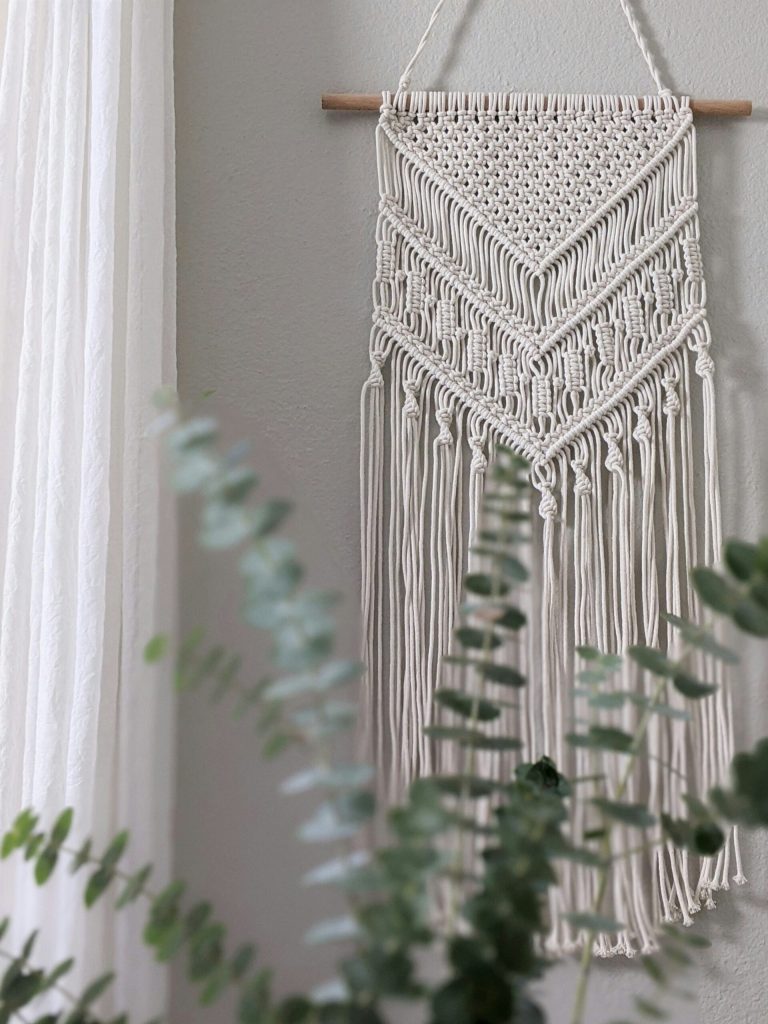
Macramé — the art of knotting cord into decorative textiles — has made a strong comeback in recent years, and it’s not hard to understand why. The repetitive hand movements involved in tying square knots and half hitches are rhythmic and grounding. Like knitting or crocheting, macramé engages your hands in a predictable, soothing pattern that lets your mind drift without spiraling.
Why Repetitive Crafts Are So Calming
The rhythmic nature of knotting creates a meditative loop that’s difficult to replicate with screen-based activities. Your hands stay busy, your mind stays gently occupied, and the growing structure in front of you provides a visible record of time well spent.
Beginner-Friendly Macramé Projects
- Small wall hangings using basic square knots
- Plant hangers for indoor succulents or trailing vines
- Keychains and bag charms are quick, low-commitment practice pieces
- Decorative bookmarks using simple spiral knot patterns
Within a single evening, you can finish a small piece, which gives the activity a satisfying sense of completion that passive hobbies rarely provide.
Finding the Right Creative Outlet
The best hobby for unwinding is one that engages you fully without overwhelming you. All five of the crafts above share a common quality: They require enough focus to quiet mental noise, but not so much complexity that they become another source of stress.
What These Hobbies Have in Common
- They produce something tangible at the end of a session
- They require hands-on focus that naturally limits screen time
- They scale easily — a 20-minute session is just as valid as a two-hour one
- They tend to become more enjoyable the more consistently you practice
Resparked, whose flagship Customizer Engraving Pen has been used by more than 650,000 people worldwide, positions engraving as exactly this—a creative entry point that requires no prior experience and produces immediate, tangible results. That low barrier to entry matters when you’re already tired at the end of the day.
Conclusion
Whether you’re drawn to the precision of engraving, the fluidity of watercolor, or the rhythm of knotting cord, the underlying principle is the same: creating something with your hands is one of the most reliable ways to reset after work. Start small, stay consistent, and let the process itself be the point.
This post contains Amazon affiliate links.