
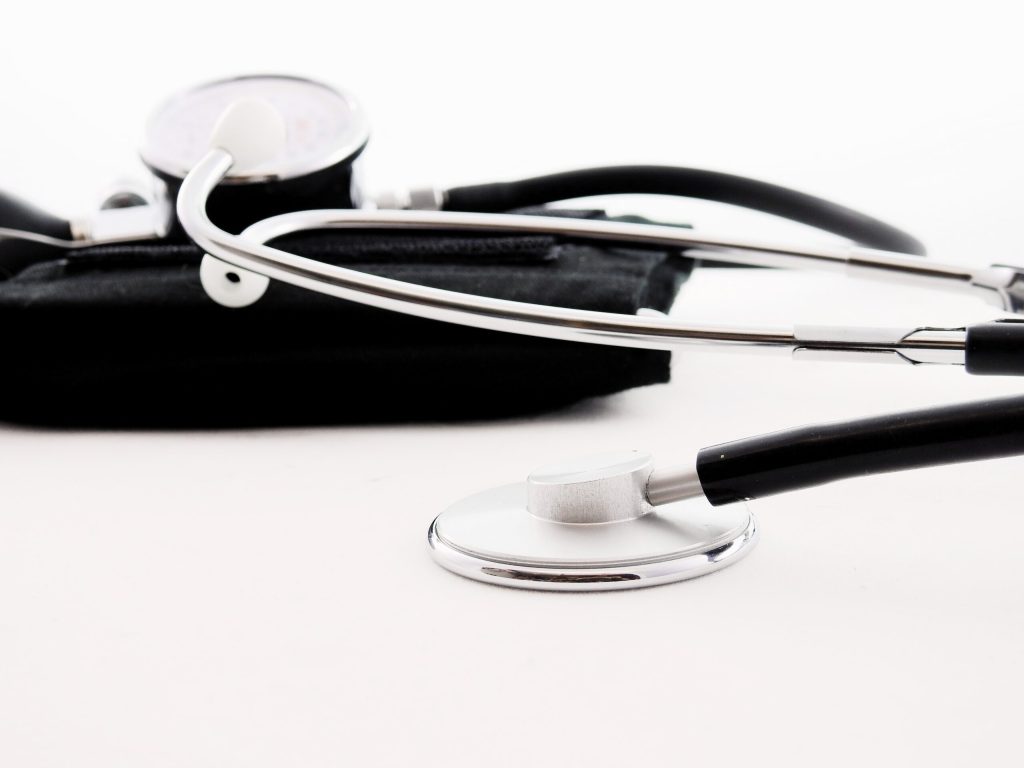
Blood pressure reveals a great deal about your overall health. It’s a key indicator of various conditions, especially heart and cardiovascular diseases (CVDs). When your blood pressure rises above healthy levels, it signals that your heart is working harder than it should.
It’s important to remember that blood pressure isn’t constant—it can fluctuate throughout the day, often rising in response to physical activity or stress. However, consistently high blood pressure is a serious concern. Without proper management, hypertension can lead to lasting damage to the heart and blood vessels. In this post, we’ll explore six lesser-known facts about high blood pressure.
What Is Hypertension?
Many seniors often wonder – does blood pressure can go up when person is sick? The answer is yes—illness can temporarily increase blood pressure, which is one of the lesser-known aspects of hypertension. That said, diagnosing hypertension requires an understanding of what qualifies as a normal blood pressure reading. Healthy adults typically have a blood pressure around 120/80 mmHg. If your readings consistently exceed 140/90 mmHg, it may indicate hypertension.
The top and bottom numbers represent systolic and diastolic blood pressure, respectively. Systolic pressure measures the force of blood against the artery walls when the heart beats, while diastolic pressure reflects that force when the heart is at rest.
Unknown Facts About High Blood Pressure
Hypertension Occurs In Two Phases
Hypertension is categorized into two stages: Stage 1 and Stage 2. Stage 1 includes readings of 130–139/80–89 mmHg, while Stage 2 is defined by readings of 140/90 mmHg or higher.
High blood pressure is generally easier to manage in Stage 1. With appropriate treatment, including prescription medications, many people can maintain a normal, healthy life. It may also be possible to reverse hypertension at this stage—but early diagnosis is key to successful management.
High Blood Pressure Is a Major Risk Factor for Heart Disease
Multiple studies have shown that persistently high blood pressure can cause heart disease. Hypertension can result in the gradual thickening and weakening of heart muscles. This condition, called left ventricular hypertrophy, is a leading cause of heart disease. But that’s not all.
By exerting excess pressure on arterial walls, hypertension can also lead to atherosclerosis.
Atherosclerosis is the stiffening of arteries. It’s a major risk factor for cardiovascular issues,
including heart attacks and heart failure.
Various Illnesses Can Cause Hypertension

While high blood pressure is synonymous with heart disease, numerous other ailments can
cause it. Examples include:
Respiratory Conditions
Respiratory diseases, such as colds and flu, often cause vasoconstriction. Blood flows through narrowed arteries at an abnormally faster pace, leading to hypertension.
Inflammatory Diseases
Conditions like pneumonia and inflammatory bowel disease (IBD) can trigger tissue swelling.
The inflammation may extend to blood vessels, causing vasoconstriction and, consequently, high blood pressure.
Chronic Ailments
Diseases like diabetes may elevate cortisol levels. Cortisol is associated with vasoconstriction, which explains its role in hypertension.
Occasional Blood Pressure Spikes Are Normal

While multiple diseases may lead to hypertension, blood pressure can spike occasionally for
non-disease-related reasons. For instance, exercise elevates heart rate. Higher heartbeats per minute will naturally raise your blood pressure.
Certain dietary habits impact blood pressure, too. According to studies, increased intake of
stimulants like coffee and chocolate may cause sporadic blood pressure spikes. The same is true for non-dietary stimulants, such as alcohol and tobacco.
Other causes of occasional blood pressure spikes include:
Genetic predisposition
Certain over-the-counter (OTC) medications, such as decongestants
Dehydration
Emotional stress and mood swings
NOTE: Only medical screening can rule out underlying causes of hypertension.
Hypertension Is a Silent Creeper
High blood pressure doesn’t occur overnight. For most people, the disease takes years of
medical neglect to develop. Worse yet, hypertension seldom causes early warning symptoms. It can fly under the radar long enough, with the first signs presenting as life-threatening events like a heart attack.
Where subtle symptoms occur, they’re usually severe morning headaches. The throbbing
headaches may cause dizziness or blurred vision. However, these symptoms are often ignored or ascribed to other ailments. Scheduling regular blood screening is the surest way to identify the early onset of high blood pressure.
Low Blood Pressure Isn’t Desirable Either
While hypertension often receives much spotlight, hypotension (low blood pressure) is
equally dangerous. Low blood pressure is clinically diagnosed as 90/60 mmHG or lower. The condition reflects poor heart functioning, potentially depriving vital organs of blood and nutrients.
Like hypertension, low blood pressure seldom presents early warning symptoms. Some people may experience dizziness and occasional shortness of breath. But without routine blood pressure checks, you may never realize you’re hypotensive until it’s too late.
Complications include multiple organ damage, with the heart, brain, and liver often bearing the brunt. Failure of these vital organs may lead to cognitive decline, frequent heart attacks and diminished overall immunity.
Guarding Against Cardiovascular Diseases Via Regular BP Screening
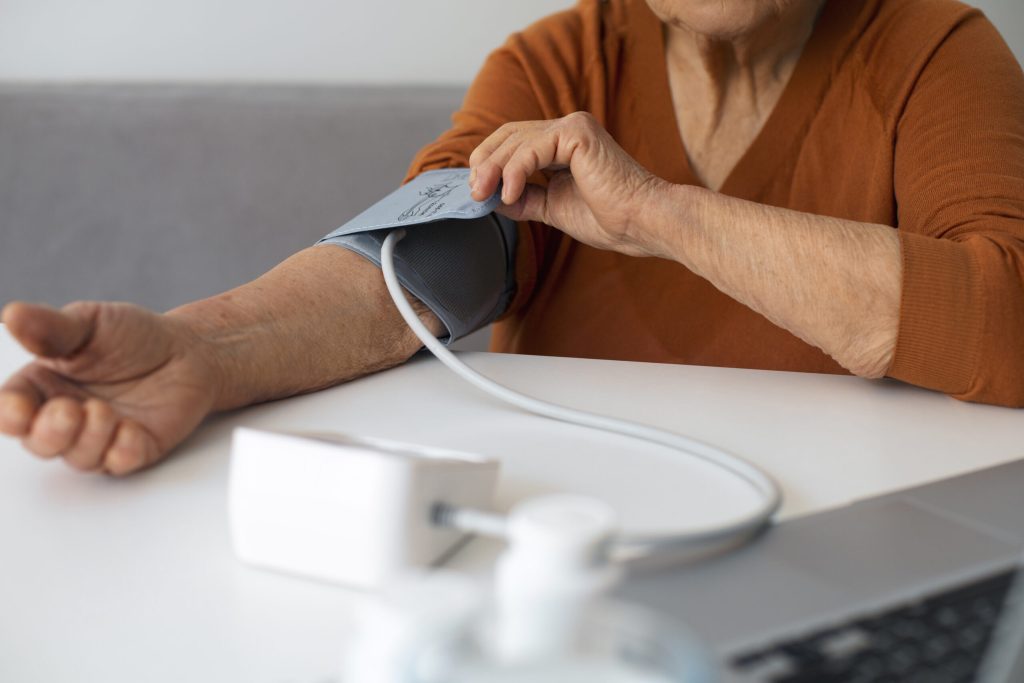
Blood pressure is arguably the most reliable indicator of cardiovascular health. While occasional blood pressure spikes are normal, chronic hypertension is a life-threatening condition that requires active monitoring.
The fact that high blood pressure is a silent creeper makes it more worrisome. Fortunately, seniors can prevent hypertension through regular blood pressure checks.
Insist on getting screened during every hospital visit. Besides, you can invest in digital blood pressure tools and monitor your condition at home.
Experts recommend measuring your blood pressure at similar times daily, particularly in the mornings and evenings. If you notice significant variations in the readings, contact your doctor immediately.