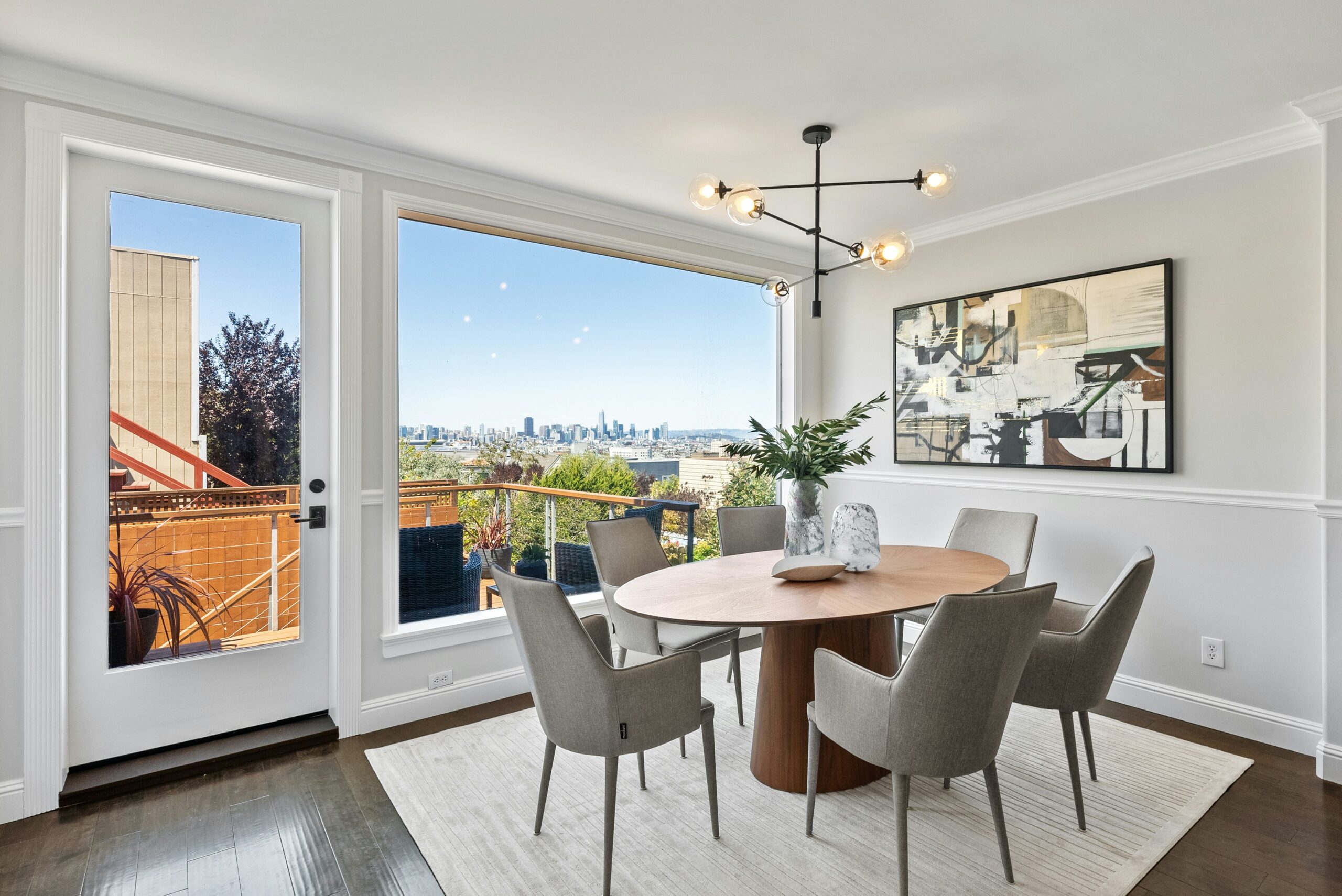
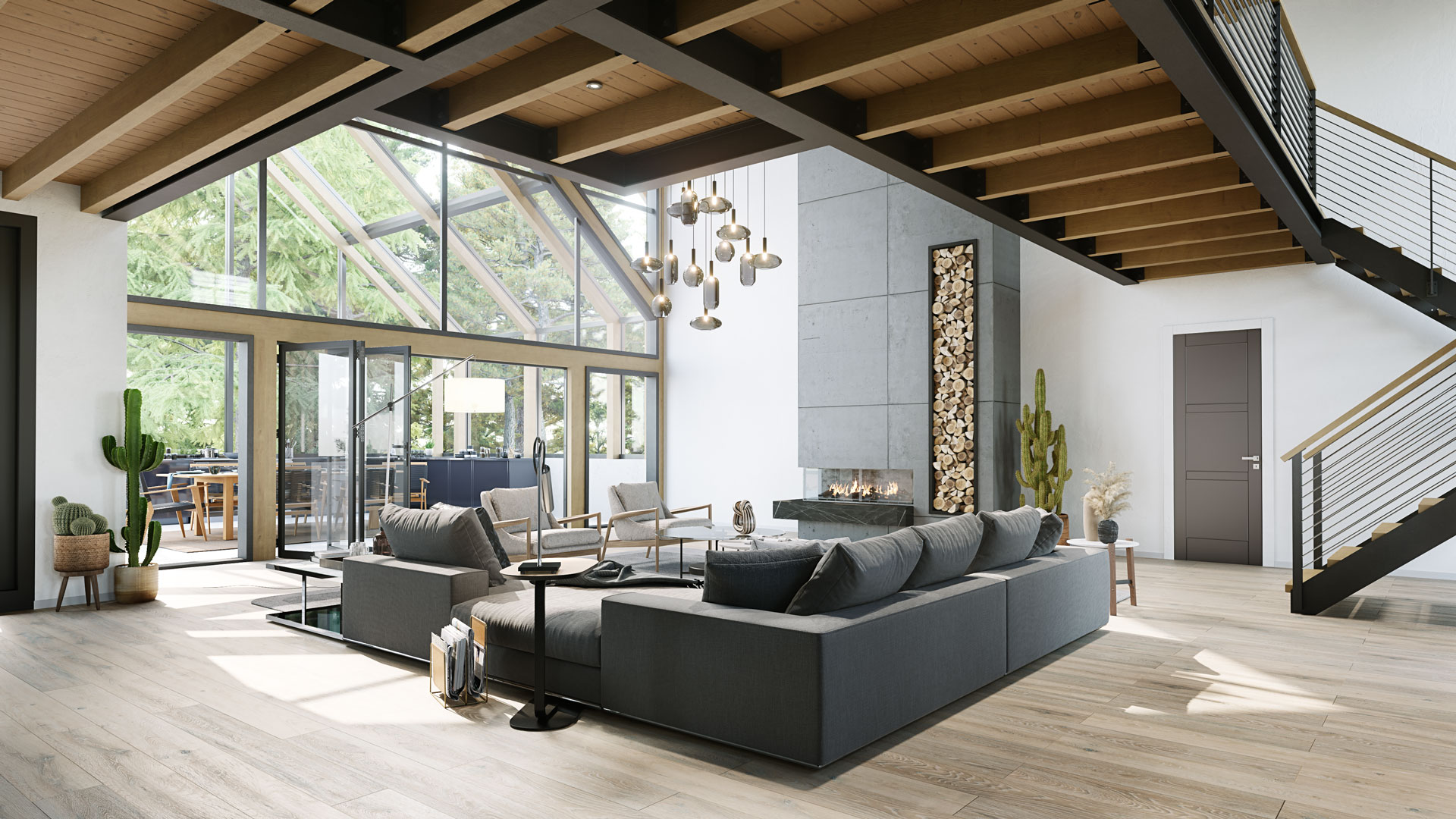
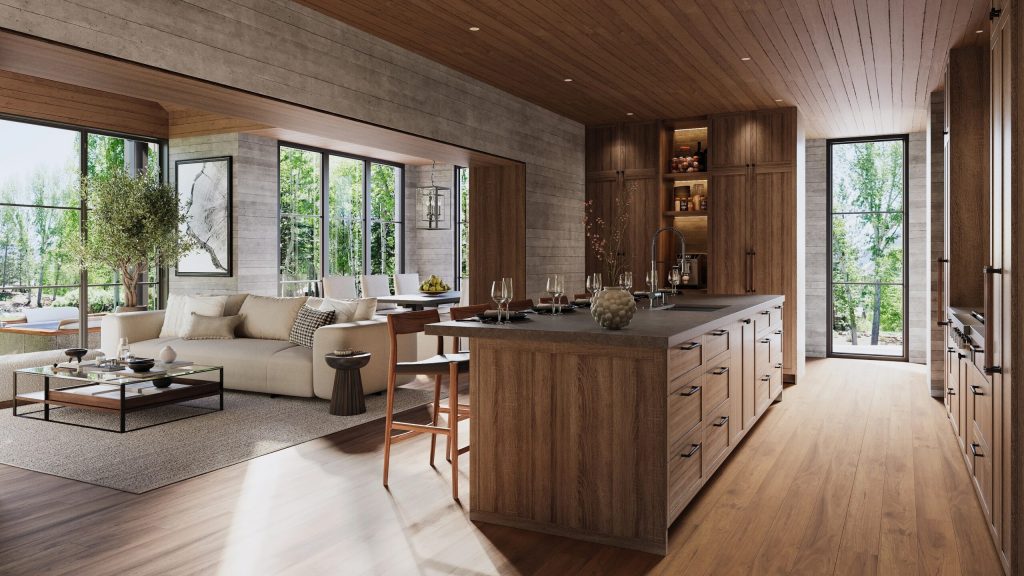
On paper, renovating a large house can seem straightforward. You move a wall, extend a room, add a terrace, maybe relocate the kitchen. The drawings look clean. The plan appears logical. Yet the moment construction starts, many homeowners realize how hard it is to predict what a new space will actually feel like.
Plans are excellent at showing structure. They explain where walls sit, how rooms connect and how large each space will be. What they don’t show is the experience of moving through the house. Will the living room feel open or fragmented? Does the entrance reveal the right spaces, or does it create a confusing first impression?
Because of this gap, architects sometimes introduce animation early in the discussion. The same visualization tools used in 3D architectural animation services to present complex designs can also help homeowners understand a renovation project. Instead of trying to decode drawings, they can simply walk through a digital version of the future house.
When Circulation Changes, Plans Stop Being Enough
One of the biggest shifts in many renovations involves circulation. Walls disappear. Rooms merge. Kitchens move closer to living areas. Corridors become part of open spaces.
These decisions sound simple until you try to imagine how people will actually move through the house. A floor plan shows the route, but it doesn’t show how natural that route will feel.
This is where animation becomes useful. A moving camera follows the same path a person might take when entering the house. It turns left into the kitchen, passes through the dining area and continues toward the living room. Step by step, the layout reveals itself.
For homeowners, this makes circulation far easier to understand. Instead of guessing how rooms connect, they can see the journey unfold.
Understanding What You Actually See Inside the House
Daily life inside a house revolves around viewpoints. What you see from the entrance matters. So does the view from the kitchen island, the sofa or the dining table.
These visual connections shape how spacious or comfortable a home feels. Yet they are surprisingly difficult to judge from drawings. A plan can show walls and windows, but it cannot easily explain what appears in front of you as you move through the space.
Still images help, but they only capture isolated moments.
Animation shows the full sequence. As the camera moves forward, new areas appear while others fade from view. A hallway opens toward the living room. The garden becomes visible through glazing. The kitchen island suddenly frames a long view across the entire floor.
For many homeowners, these changing perspectives make the design finally click.
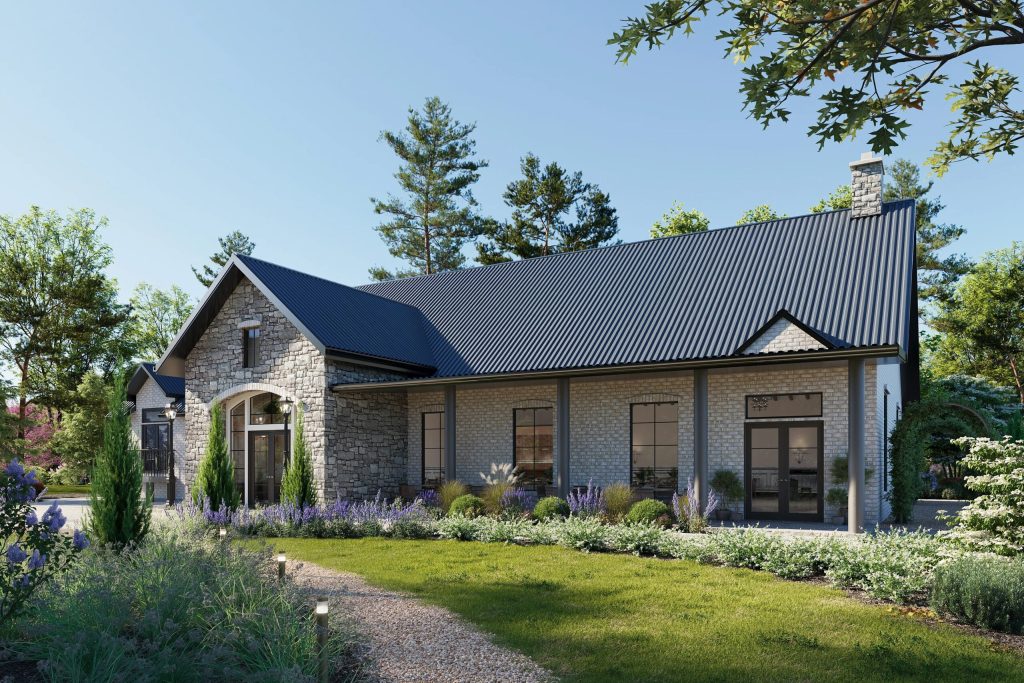
Seeing How the House Connects to the Garden
In many renovations, the connection between house and garden becomes the centerpiece. Homeowners aren’t just asking for bigger openings—they want daylight that changes the mood of a room and open spaces and floor plans that invite the outdoors inside. Terraces, sliding doors and wide glass walls are popular solutions, but the real question is how those transitions will feel in everyday life. Imagine stepping barefoot onto a sun-warmed patio on a summer morning, or sliding open a door to let evening air drift through the living room. That experience is what design—and animation—can help you preview before construction begins.
Confirming Expensive Design Decisions
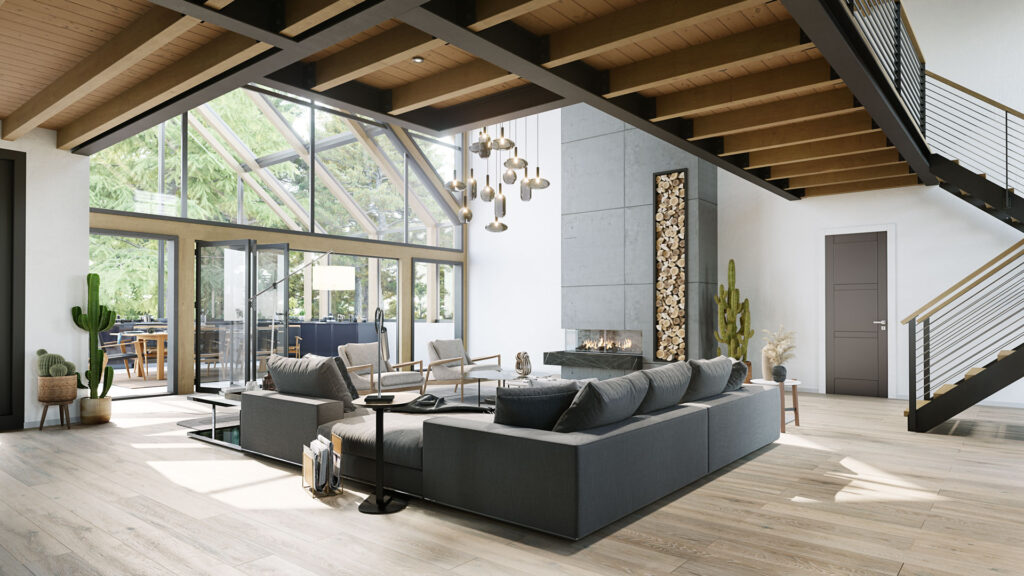
Some renovation decisions carry serious financial weight. A new staircase. A double height living room. A large skylight that transforms the character of the interior.
These elements can make a project special, but they also require confidence. Once construction begins, changing them becomes complicated and expensive.
During the 3D animation process, architects can test how these features behave inside the house. A staircase can be seen from several angles as the viewer moves through the space. A skylight can reveal how daylight spreads across the room during the walkthrough.
For homeowners, this visual confirmation is reassuring. Instead of imagining the result, they can see how the design decision actually shapes the space.
Making Multi-Level Homes Easier to Understand
Large houses often include multiple floors, mezzanines or split-level arrangements. These vertical relationships are notoriously difficult to interpret from plans alone.
Even experienced specialists sometimes struggle to understand where a staircase will lead or how upper levels relate to the rooms below.
Animation removes much of that confusion. The camera climbs the stairs, passes a landing, and arrives on the next floor. Suddenly the spatial hierarchy becomes clear. You see how one level overlooks another. You understand where bedrooms sit relative to the living areas.
Instead of studying several drawings, homeowners simply follow the movement through the house.
Helping Everyone See the Same Project
Renovations rarely involve just one decision-maker. Couples, family members and sometimes extended relatives all contribute ideas and concerns.
When discussions rely only on drawings, misunderstandings happen easily. One person imagines a bright open layout. Another imagines a series of narrow passages.
Animation helps align those interpretations. Everyone watches the same walkthrough of the future house. Everyone sees the same sequence of spaces.
Conversations become clearer. Instead of debating abstract plans, people react to a shared visual experience.
Conclusion
Renovating a big house means making choices that are hard to picture on paper. Floor plans are useful, sure, but they don’t tell you what it’s like to walk down a hallway or glance out a window at the garden.
That’s where 3D animation helps. A digital walkthrough lets you try the house on for size — see how the rooms connect, notice where the light falls, even imagine stepping out onto a terrace. For complex projects, that chance to “live” in the design before construction starts can turn guesswork into confidence.