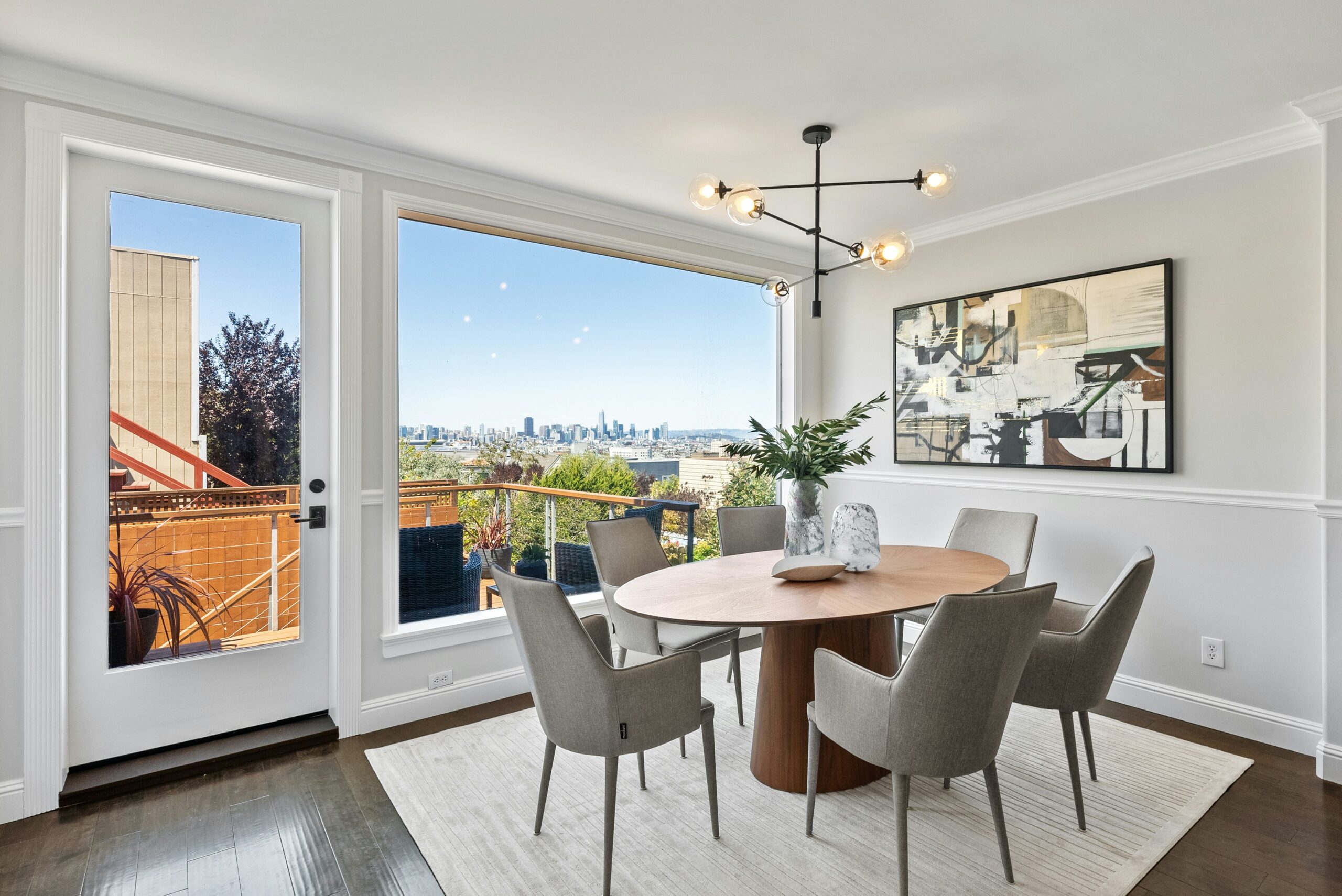
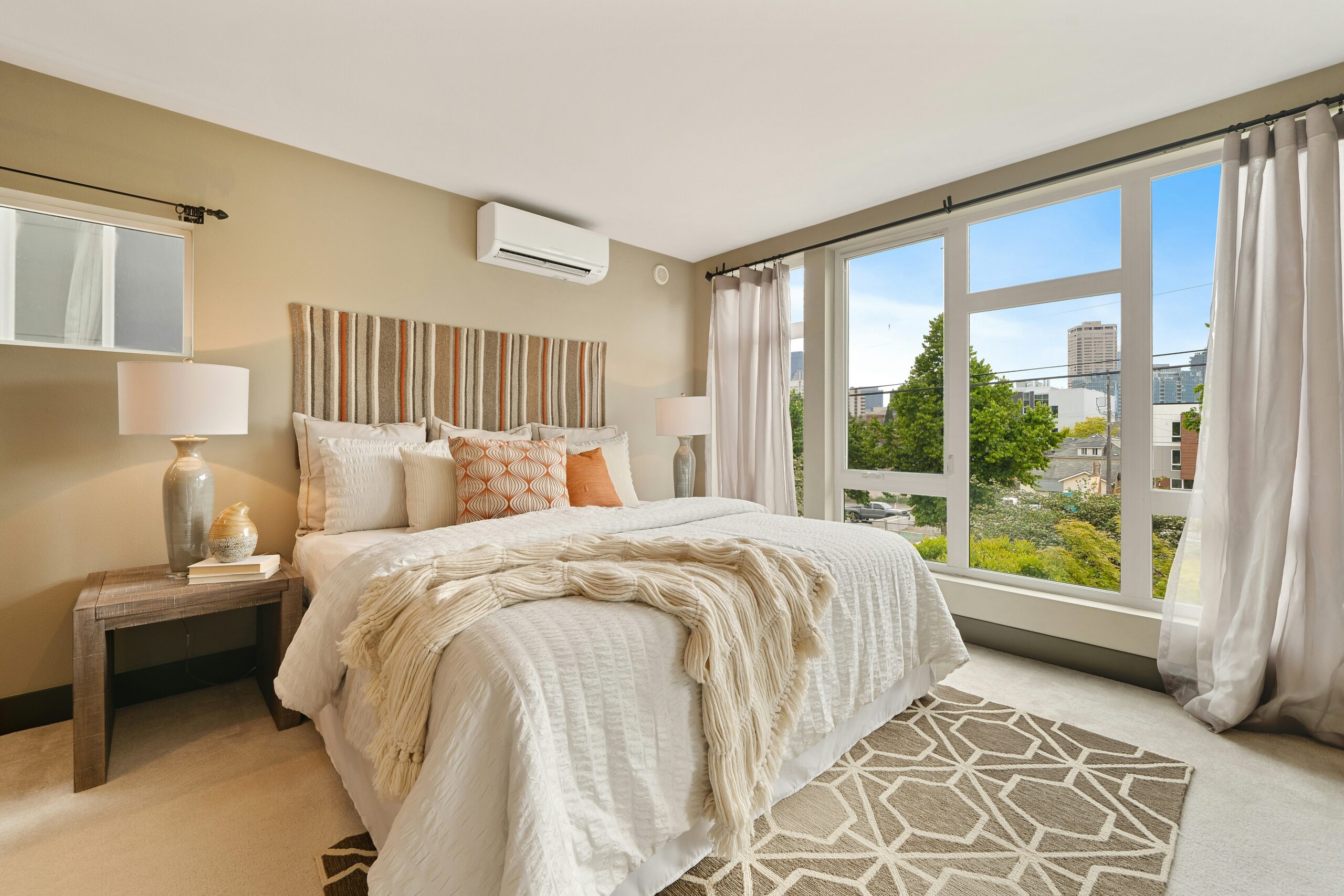
A home should feel like an escape from the outside world, and nowhere is that feeling more important than in the rooms where daily life unfolds. In areas where indoor and outdoor living often blend together, creating a space that balances warmth with practicality takes thoughtful planning. The way a room looks, feels, and functions can shape everything from morning routines to evening relaxation, making the design process one of the most rewarding investments a homeowner can take on.
Designing a living space that feels both cozy and functional doesn’t require a massive budget or a complete renovation. Small, intentional choices about layout, materials, lighting, and furnishings can transform even the most ordinary room into a place that genuinely supports everyday comfort. The key lies in understanding what each room needs to accomplish and then layering in elements that serve those purposes without sacrificing style.
Choosing the Right Foundation for Rest and Comfort
Every well-designed living space starts with the pieces that get the most daily use. Seating, sleeping surfaces, and lounge areas set the tone for how comfortable a room actually feels once the decorating is finished. Spending time on these foundational choices early in the process saves homeowners from the frustration of realizing too late that a beautiful room simply does not feel good to live in.
When it comes to the bedroom, your bed deserves special attention because it directly affects your energy, mood, and overall well-being. A mattress that wears unevenly or loses support after a few years can quietly undermine the comfort of an otherwise perfectly designed room. That is why many homeowners opt for double-sided mattresses since flipping the mattress periodically distributes wear across both surfaces and extends its useful life by years.
Working with Layout and Flow
Furniture arrangement plays a larger role in comfort than most people realize. A room filled with beautiful pieces can still feel cramped and frustrating if the layout ignores how people actually move through the space. Before purchasing anything new, it helps to map out traffic paths and identify the natural focal points in each room, whether that is a window with a view, a fireplace, or an entertainment area.
Leaving enough open space between furniture groupings makes a room feel breathable rather than cluttered. In smaller rooms, pulling furniture slightly away from the walls can actually create the illusion of more space, even though it seems counterintuitive.
Layering Textures for Warmth
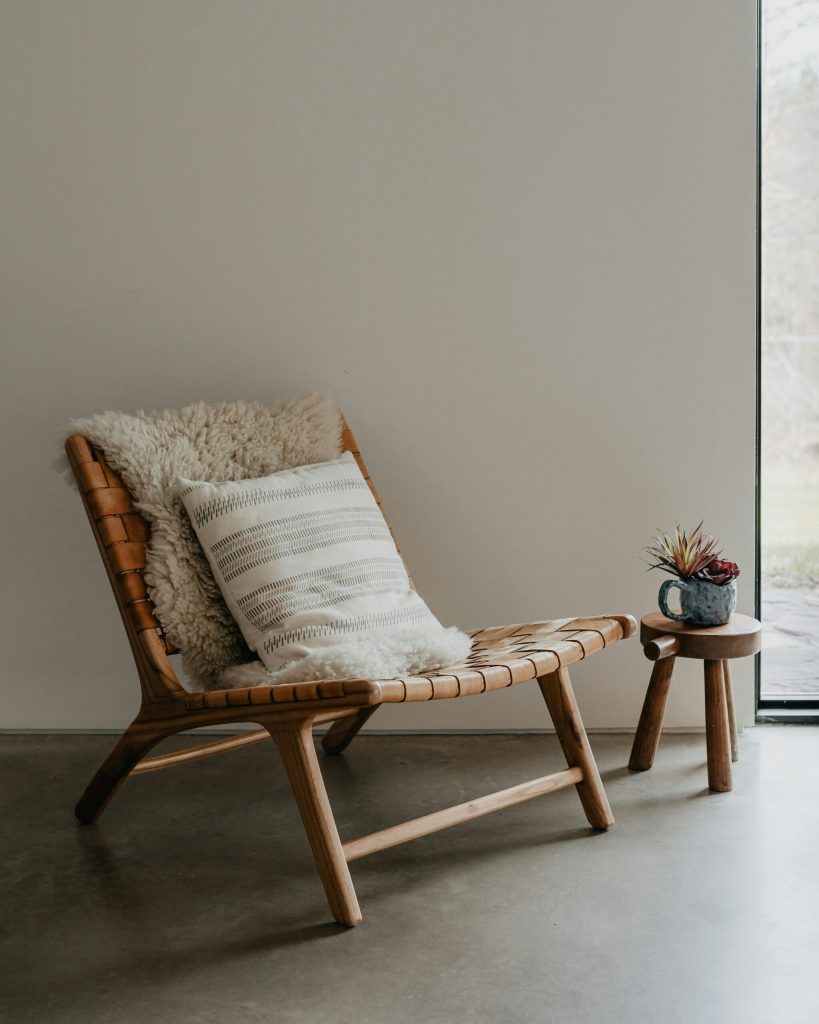
One of the simplest ways to make any room feel inviting is through the use of varied textures. Smooth leather, soft knit throws, woven rugs, linen curtains, and wall art that works with the rest of the space all create visual and tactile interest when combined thoughtfully. A room that relies on only one material or finish can feel flat, no matter how expensive the furnishings are.
Layering textures doesn’t mean overloading a space with accessories. Instead, it hinges on choosing a few key pieces that contrast with each other in a way that feels natural. A chunky wool blanket draped over a sleek sofa, a rough ceramic vase on a polished wood table, or a plush area rug beneath a minimalist coffee table can add depth without making the room feel busy.
Lighting That Sets the Mood
Overhead lighting alone rarely creates a cozy atmosphere. Rooms that feel truly warm and welcoming usually rely on multiple light sources placed at different heights throughout the space. Table lamps, floor lamps, wall sconces, and even candles work together to create pools of soft light that make a room feel intimate and relaxed after dark.
Dimmer switches are a small upgrade that can dramatically change how a room feels at different times of day. Bright, energizing light works well for morning routines and afternoon tasks, while lower, warmer tones help signal to the body that it is time to unwind. Paying attention to the color temperature of bulbs also matters, since cool white light can make even the coziest room feel sterile.
Storage Solutions That Maintain Order
Clutter is one of the fastest ways to ruin the feeling of a well-designed room. Even the most beautiful space will feel chaotic if everyday items have nowhere to go. Functional storage does not have to look utilitarian. Baskets tucked beneath console tables, built-in shelving with a mix of books and decorative objects, and ottomans with hidden compartments all serve the dual purpose of keeping things organized while adding to the room’s visual appeal.
Thinking about storage during the design phase rather than as an afterthought makes a significant difference. Rooms that are planned with organization in mind from the start tend to stay tidy with much less effort.
Bringing Nature Inside
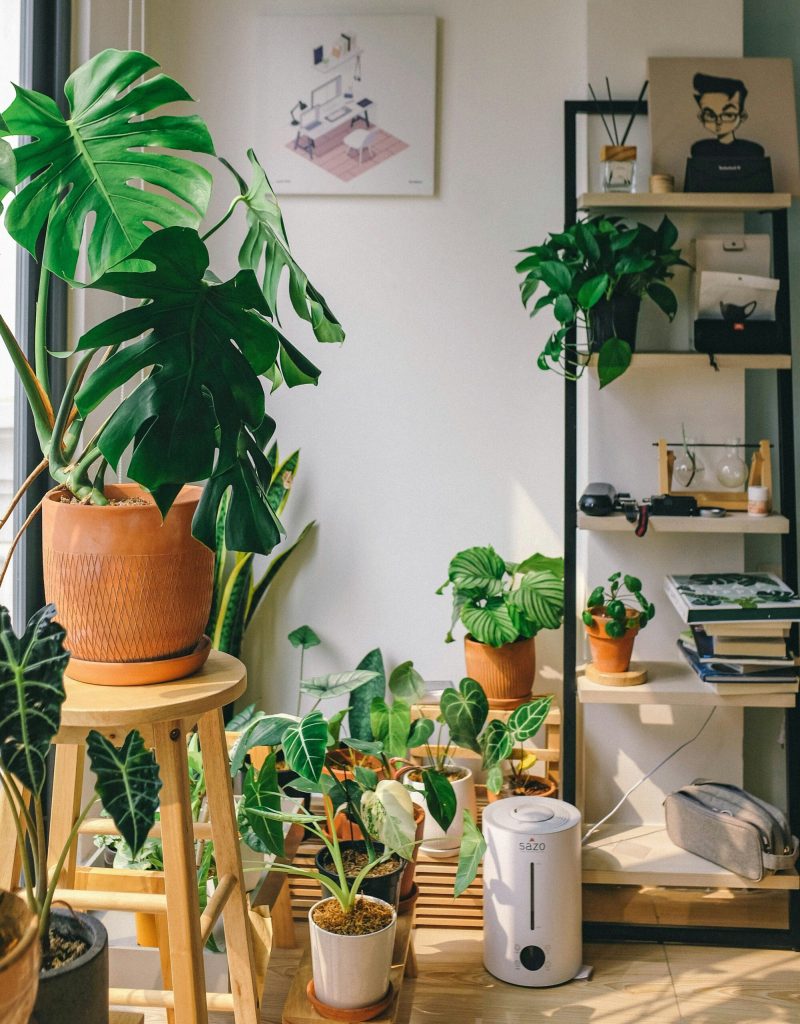
Natural elements have a way of making interiors feel grounded and alive. Houseplants, fresh flowers, natural wood finishes, and stone accents all contribute to a sense of connection with the outdoors. Even in rooms with limited natural light, low-maintenance greenery such as pothos, snake plants, or ZZ plants can soften corners and add a touch of life to otherwise static spaces.
Beyond plants, incorporating natural materials into furniture and decor choices reinforces that sense of organic warmth. A reclaimed wood shelf, a jute rug, or a stone tray on a coffee table can subtly shift the entire mood of a room. These elements do not need to dominate the space to make an impact. Often, a few well-placed natural touches are enough to make a room feel balanced and serene.
Color Choices That Enhance Comfort
The colors in a room influence how it feels more than almost any other single element. Warm neutrals, soft earth tones, and muted greens and blues tend to create the most universally calming environments. Bold accent walls or vibrant throw pillows can add personality without overwhelming the senses, as long as the base palette remains soothing.
Testing paint colors in different lighting conditions before committing is a step many people skip, but it can prevent costly mistakes. A shade that looks perfect under showroom lights may read entirely differently in a room with large west-facing windows or recessed lighting.