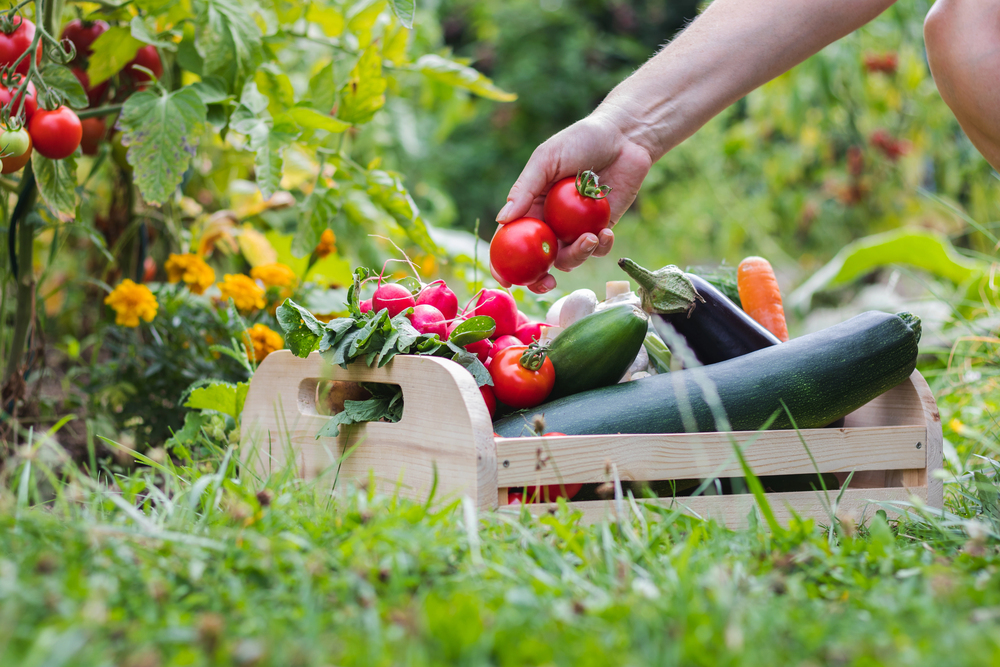
There is something deeply satisfying about bringing in food you grew yourself. A bowl of tomatoes on the counter, a handful of green beans for dinner, and cucumbers still cool from the morning air. That part feels simple. Then harvest season really gets going, and suddenly you are bending, reaching, carrying, sorting and wondering why picking vegetables feels like such a workout.
Most people think about planting when the season begins, not the steady work that comes later. But once a garden is in full swing, harvesting becomes its own job, and it can take more time and effort than you bargained for.
More gardeners are starting to pay attention to the routines and tools that make harvest easier. A few small adjustments can save time and ease some of the strain, especially once your beds start producing in earnest. For anyone curious about the kinds of equipment built to make produce collection more efficient, Harvest Pro offers a good example of how much design can go into the harvest side of gardening.
Why Harvest Time Can Be Tougher Than Planting
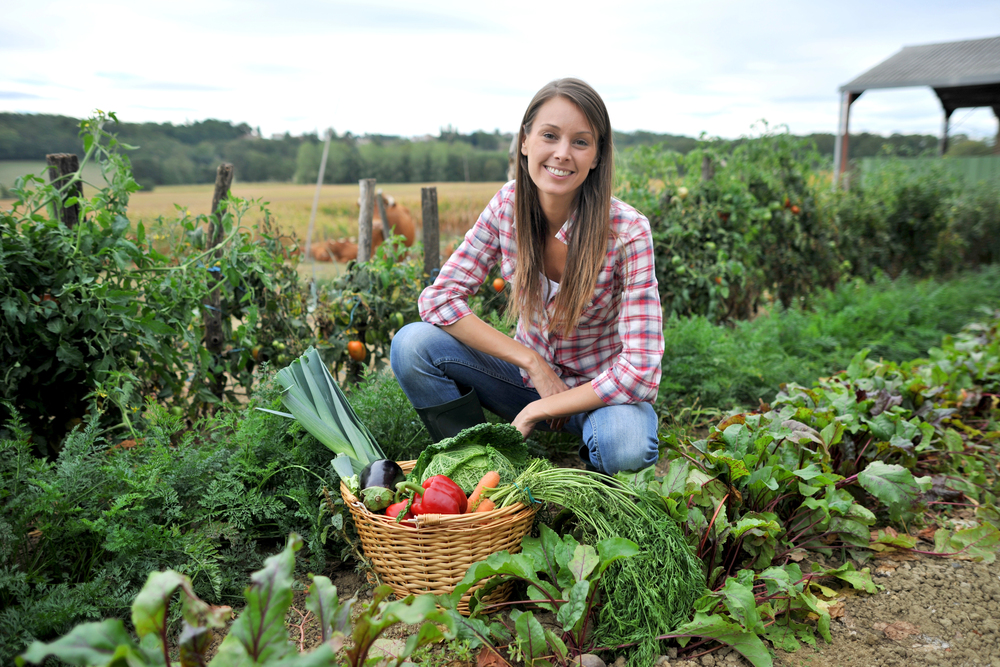
Planting has a lighter feel to it. The weather is usually kinder, the garden still looks neat, and everything feels full of possibility. Harvest season has a different energy. By then, plants are sprawling, vines are everywhere, and everything seems to ripen the minute you get busy with something else.
The work can catch you off guard because it comes in small, repetitive motions. You crouch for beans, lean into tomato cages, carry bowls back and forth, and try not to squash the cucumbers under the zucchini. Even in a modest backyard garden, that can start to add up.
Then there is the timing. Vegetables don’t wait around for a convenient weekend. Cucumbers get oversized quickly. Beans turn tough. Tomatoes split after a heavy rain. A garden can be incredibly generous, but it asks for your attention at exactly the point when the work becomes the most physical. That is often when gardeners realize growing the food was only half the job.
Simple Ways to Make Harvesting Easier at Home

The good news is that harvest day usually gets better with a few simple habits. One of the easiest changes is keeping what you need close at hand. A lightweight basket or even a sturdy colander can save a surprising number of steps when you are moving from bed to bed.
It also helps to stop thinking of harvest as one big event. A quick round every day or two is often much easier than letting everything pile up for the weekend. Tomatoes, beans, cucumbers and zucchini are all easier to manage when they are picked regularly, and you are less likely to discover a baseball bat sized squash hiding under the leaves.
Morning can make a difference as well. Harvesting before the day heats up is usually easier on you and better for the produce. Everything feels a little fresher, and the work tends to go more smoothly when you are not trying to pick peppers in the full afternoon sun.
Sorting as you go is another small trick that pays off. If delicate vegetables go in one container and heavier produce goes in another, you avoid some of the bruising and save yourself an extra step in the kitchen. It is not complicated, and that is part of the appeal.
The Role of Better Harvesting Tools
There comes a point when a basket and a good attitude stop being enough. That usually happens when the garden gets fuller, the rows get longer, or harvest starts eating into more of your week than you expected. At that point, the right tools can make the work feel much more manageable.
Some of the most helpful ones are simple. A sturdy garden cart cuts down on extra trips. A rolling seat makes low-growing crops easier on your knees and back. Stackable containers help keep tender produce from getting crushed under heavier vegetables. None of this sounds especially glamorous, but that is beside the point. Practical tools can make a long harvest day feel much more manageable.
Timing matters, too. Gardeners usually get better flavor and texture when they pay attention to when to harvest vegetables and fruit for peak flavor, since produce picked at the right moment often stores better once it comes inside.
It is also useful to borrow a little thinking from larger-scale growers. Equipment made for produce harvesting is built around comfort, efficiency and careful handling. That same basic idea works beautifully in a home garden. When your setup cuts down on wasted movement and helps you gather produce more gently, harvest starts to feel less like a chore and more like the rewarding part of gardening it should be.
How Bigger Harvests Change What You Need
A garden can outgrow your routine before you fully notice it. One year, you are growing a few tomato plants and some herbs. The next year, you have raised beds full of beans, peppers, cucumbers, squash and enough cherry tomatoes to cover the kitchen counter by noon. It is a wonderful problem, but it is still a problem.
Once a garden starts producing in volume, the weak spots in your routine become obvious. Containers fill up too fast. Trips to the kitchen multiply. Produce gets piled on top of itself. You start leaving things behind because your hands are full or your patience is gone. The garden is doing its job. The issue is that your harvest routine still belongs to a much smaller setup.
That is when efficiency starts to matter in a different way. You need a smoother system for moving through the beds, gathering produce without damaging it, and carrying everything in without making the whole process feel like exercise. Even simple adjustments, like keeping a cart nearby or using better containers, can make a big harvest feel much less chaotic.
At a certain point, experienced gardeners stop focusing on growing more and start focusing on handling what they already grow well. That shift makes a lot of sense. A productive garden should feel abundant, not overwhelming.
Choosing Systems That Reduce Strain and Save Time

Most gardeners do not need a long shopping list. They need a setup that makes harvest day feel easier on the body and less repetitive. For one person, that may mean cutting down on trips across the yard. For someone else, it may mean less bending, less awkward lifting or a better way to keep tender produce from getting battered on the way inside.
A useful system starts with the part of the harvest that annoys you or tires you out the fastest. A rolling cart can spare you the constant back and forth. A low portable garden seat can make beans and other close-to-the-ground crops much easier to pick. Stackable bins help keep tomatoes, peppers and cucumbers in better shape while you work. None of it is flashy. It simply helps the whole routine run more smoothly.
That sense of flow matters more than people expect. When picking, sorting and carrying feel straightforward, it becomes much easier to keep up with the garden during the busiest part of the season. Gardeners who grow a mix of herbs and tomatoes often find that a more organized harvest routine makes the whole garden feel easier to manage.
The best setup is the one that fits your space, your body and the way you actually garden. When harvest feels lighter and less frustrating, it is much easier to stay on top of ripe produce and enjoy the payoff of all the work that went into growing it.
Conclusion
A productive garden should feel satisfying. When harvest starts taking more out of you than expected, the fix is often simple. A better container, fewer unnecessary trips and tools that suit the size of your garden can completely change the rhythm of the work.
You feel that difference quickly once the season is in full swing. Picking goes faster. Vegetables stay in better shape. The work feels easier to keep up with, even on hot and busy days. Growing your own food is still the pleasure at the center of it all. It is just a lot easier to enjoy when harvest no longer feels like the part of gardening you have to brace yourself for.