

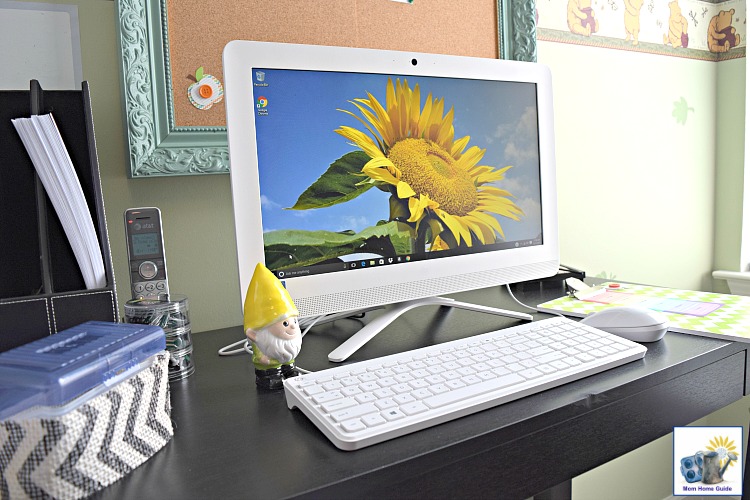
Technology is woven into nearly every part of our lives, and for kids, it’s often their first window into
learning, creativity, and connection. Teaching them how to use it in positive, mindful ways can incredibly
influence how they grow up with it. Instead of restricting tech completely or letting it take over, parents
are finding creative ways to strike a healthy balance.
The aim should be small, fun steps that show kids how technology can support their lives without
becoming the center of it. Let’s get started:
E-Bike Rides with Kids

One of the best ways to introduce kids to technology is through movement and fun. Taking them with
you on e-bike rides is a great way to combine screen-free activity with a gentle introduction to modern
tech. It also gives you time outdoors together while showing how devices can support healthy habits
instead of replacing them.
For younger kids, it’s safe to have them ride beside you. Once they’re old enough, you can help them
pick an electric bike for themselves. You can also talk about how an e-bike works, why it’s energy-efficient, and even let them help with setting up safety features like lights and speed controls. It turns
technology into something interactive and positive instead of something passive.
Parents Modeling Balanced Tech Use
Kids often mirror what they see, so one of the simplest ways to guide their relationship with technology
is to show them balance in your habits. If they see parents setting their phones aside during dinner or
enjoying books alongside their devices, they’re more likely to do the same. You can even talk about your choices out loud: “I’m putting my phone away so we can have our movie night,” or “I’m setting a timer for this game so I don’t lose track of time.”
Teaching Online Safety Early
Even young children are online now, whether it’s watching videos, playing games, or using educational
apps. Teaching them how to stay safe from the start helps build awareness before bad habits form. Start
with age-appropriate basics, like not sharing their name or location and asking before clicking on links.
There are plenty of fun ways to make this stick. Role-playing games where you act out “good” and
“tricky” situations online can turn lessons into something memorable. For older kids, watch a video
together about cyber safety and discuss it. Try to make them feel confident and comfortable asking
questions as they make sense of the digital world.
Setting Screen Time Habits

Screen time doesn’t have to feel like a fight if you set clear habits early. Creating routines around tech use, like no screens before school or during meals, can help kids understand boundaries without
resentment. You can involve them in deciding when and how much screen time makes sense for the family. For example, you might have “tech time” after homework or a shared family movie night where everyone picks something to watch together. Giving kids some say in the process helps them feel invested and more likely to stick to the rules.
Involving Kids in Tech Rules
When kids have a say in creating household tech rules, they’re more likely to follow them. Sit down as a
family and talk about what feels fair. Ask questions like, “When do you think is a good time to put
screens away?” or “What should our bedtime routine look like without devices?”
This gives kids a sense of responsibility and makes them feel like their voice matters. You can even write
the rules down together and hang them in a shared space as a reminder.
Creating Tech-Free Family Time
Designating times or spaces in the house where devices stay out of sight helps everyone recharge. A no-
tech dinner or a weekly board game night gives families a chance to reconnect without screens
competing for attention. Breaks show kids that life offline can be just as fun. Start small with one “tech-free hour” and see how it evolves into a routine everyone enjoys.
Exploring Nature with Apps

Technology doesn’t have to keep kids indoors. Use it as a tool to make outdoor adventures even more
exciting. Apps that identify plants, birds (such as Merlin Bird ID), or stars turn nature walks into mini scavenger hunts. You can let kids take photos of what they find and create a digital scrapbook of their discoveries.
Video Calls to Stay Connected
Technology makes it easier for kids to maintain relationships with distant family members. Scheduling
regular video calls with grandparents, cousins, or friends keeps those bonds strong. Encourage kids to share something special during these calls, like a new drawing or a song they’ve
learned. It helps them see technology as a way to connect meaningfully rather than just as entertainment.
Interactive Tech for Active Play
Active tech, like dance games or fitness apps for kids, combines movement with fun. These tools are
great for rainy days when outdoor play isn’t an option. Joining in as a family can turn a simple game into a lively bonding activity. It also helps kids associate technology with activity rather than sitting still.
Using Tech to Support Hobbies

Show kids how technology can help them explore their interests. A child who loves music might enjoy
apps for learning piano, while an aspiring photographer can use beginner-friendly editing tools like Snapseed to play with their photos. This shifts tech use from passive scrolling to creative engagement. It also builds confidence as kids can see how tools can support their passions.
Visiting Science and Tech Museums
Hands-on experiences leave a lasting impression. Visiting a science or tech museum, like the Franklin Institute science museum in Philadelphia, gives kids the chance to explore gadgets, robotics, and interactive exhibits in person. Such visits often spark curiosity and start conversations about how technology works and how it fits into everyday life.
Teaching Digital Citizenship
As kids grow, they need guidance on how to behave online. Teach them about being kind in digital
spaces, respecting others’ privacy, and thinking before posting or sharing. You can use real-life examples to make it relatable, like asking how they’d feel if a classmate shared their photo without asking. This way, you’ll prepare them for more independent tech use later.
Introducing Robotics Through Play
Robotics kits designed for kids make learning about technology fun and hands-on. Starting with simple,
buildable robots teaches problem-solving and sparks curiosity about how things work. This type of play keeps kids engaged and helps them see technology as a tool they can create with, not just consume.
Helping kids build a positive relationship with technology is all about guiding them toward balance and
purpose. When parents approach tech mindfully and include kids in the process, it becomes a tool for
creativity, learning, and connection. With a few thoughtful choices, families can raise confident, tech-
smart kids ready for the digital world.
This post contains Amazon affiliate links. If you click on a link and make a purchase, I may earn a commission that helps fund this blog. Thanks!