
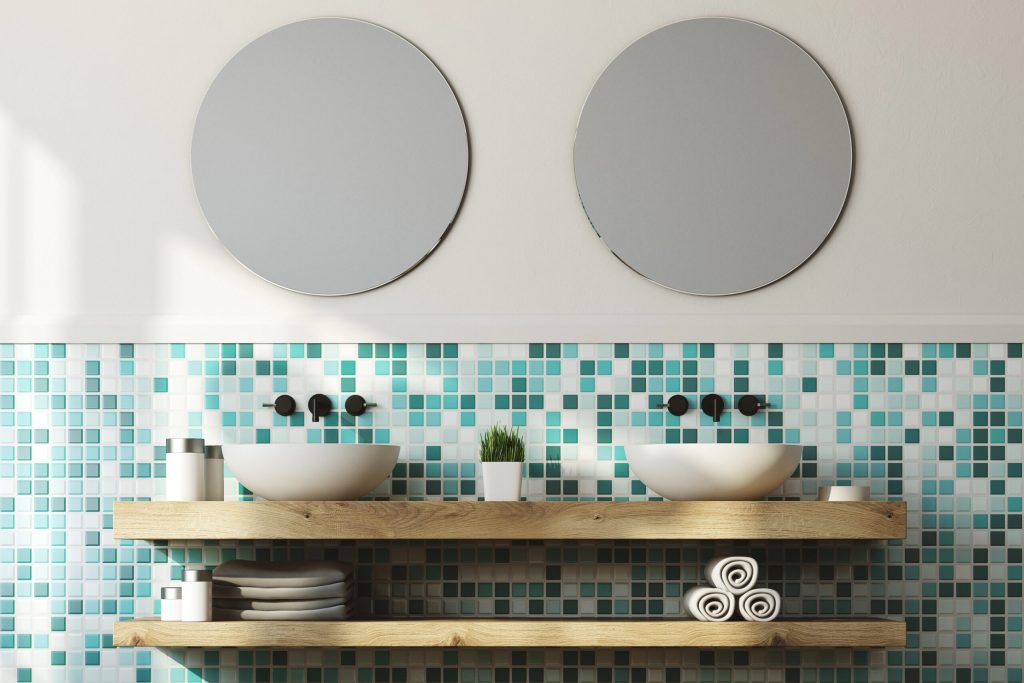
Bathrooms tend to collect stuff. Quietly. Gradually. One extra bottle here, a towel that never quite finds its place, a small piece of furniture added because it didn’t work well elsewhere. Before you know it, the room feels busy, and even though it might have the best features, such as bathroom fixtures and hardware by Caroma, it doesn’t look quite right.
What most people want isn’t a minimalist bathroom that looks untouched. What they want is a bathroom that actually works. One that handles daily life without constantly reminding you how small or awkward the space is. And it turns out that making a bathroom work harder doesn’t mean adding more. It usually means being more intentional.
Understanding Where Clutter Really Comes From
Clutter is rarely about too many things. It’s more often about things that don’t have a clear job.
When items don’t have a proper home, they float. They sit on surfaces. They get shuffled around. That’s when even a decent-sized bathroom starts to feel tight and chaotic.
Before changing anything, it helps to notice what never gets put away. Those are the items the space needs to accommodate better, not fight against.
Designing for Daily Use, Not Occasional Use
A lot of bathrooms are designed around how they look when no one is using them. Empty counters. Styled shelves. Perfect row of towels.
But daily use tells a different story.
The most functional bathrooms prioritize the things that get used multiple times a day. Toothbrushes. Skincare. Medication. Towels. When those items are readily accessible and easy to put back, they stop becoming clutter and start becoming part of the system.
It’s not about hiding everything. It’s about making sure the visible things belong there.
Letting One Feature Do More Than One Job
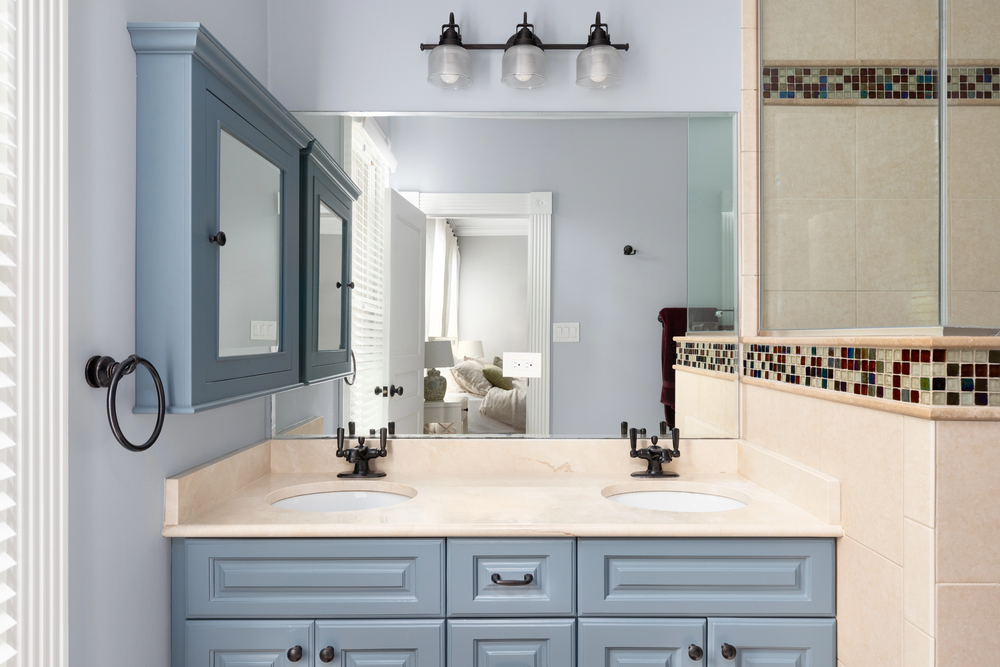
Bathrooms feel cluttered when too many separate pieces try to solve separate problems.
One of the most effective ways to reclaim space is choosing features that do double duty. A mirrored medicine cabinet. Waterproof seating with storage. Fixtures that combine functions without feeling bulky.
For some households, especially where accessibility or changing mobility needs are a factor, this might include installing a mobility shower bath that allows for both bathing and showering in one footprint. It reduces the need for added equipment later on and keeps the room feeling cohesive instead of crowded with workarounds.
When one element handles multiple needs, everything else looks a lot better.
Making Vertical Space Feel Intentional
Unused wall space often gets filled reactively. A hook here. A shelf there. Over time, walls end up looking busy instead of useful.
Vertical storage works best when it feels planned rather than patched together. Tall cabinets with clean lines. Recessed niches. Bathroom shelving that aligns with existing features instead of competing with them.
When vertical elements feel intentional, they draw the eye upward in a calm way instead of adding visual noise. The room feels taller and less cramped, even if you haven’t technically gained any space.
Choosing Fewer Materials, Not More
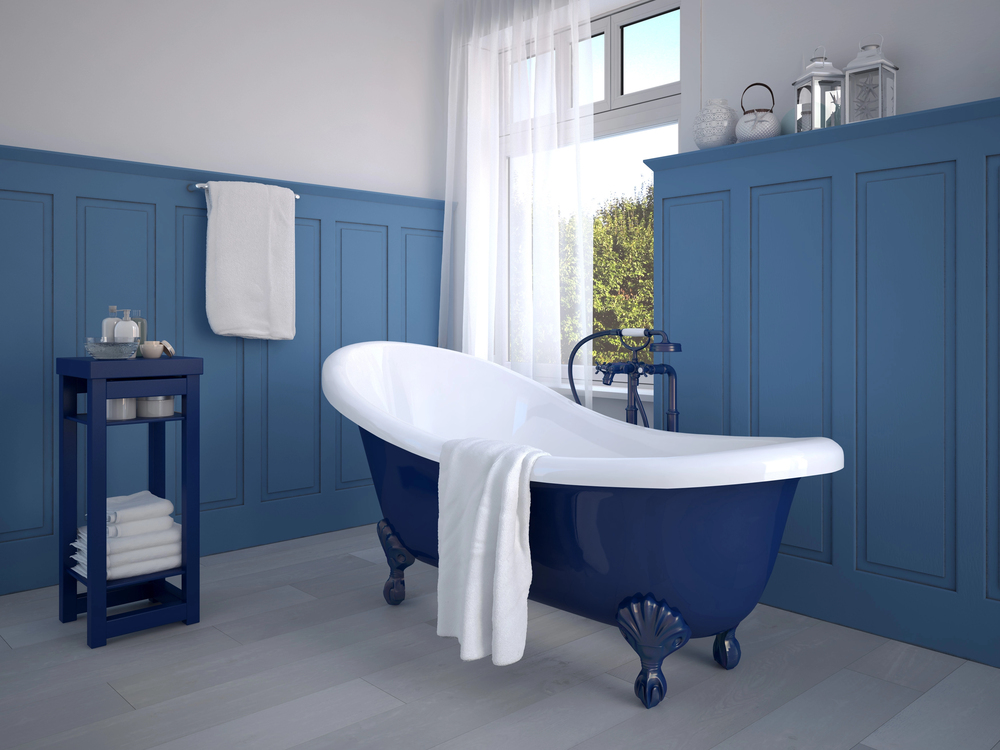
Another subtle contributor to clutter is visual variety. Too many finishes. Too many textures. Too many competing styles.
Even well-organized bathrooms can feel busy if the eye doesn’t know where to rest.
Limiting the material palette helps more than people expect. Fewer colors. Consistent finishes. Repeating elements instead of introducing new ones. This doesn’t have to mean bland. It just means cohesive. For instance, you could include a sea foam and white bathroom color palette or a slate blue and white color scheme.
When the visuals are calm, the room can hold more function without feeling overloaded.
Being Honest About What You Actually Need
This part can be uncomfortable because it requires letting go of ideal versions of use.
Do you really need three sets of towels stored in the bathroom or decorative containers? Do you actually use all of the soaps and shampoos you have stored in the bathroom?
Making a bathroom work harder starts with clarity. Keeping what earns its place. Relocating what doesn’t.
It’s not about stripping everything back. It’s about being honest enough to stop asking the room to support habits you don’t really have.
Allowing Clear Zones Instead of Everything Everywhere
Bathrooms that work well tend to have zones, even if they’re subtle.
A getting-ready area. A cleaning area. A storage area. A relaxing area. These zones don’t need walls or labels. They’re created through placement and flow.
When each zone has a clear purpose, items naturally cluster where they belong. That alone reduces the sense of clutter. You stop spreading things across every surface because each surface has a job.
Keeping Flexibility for the Future
Bathrooms that are too tightly designed often end up cluttered later. Needs change. Bodies change. Routines change.
Building in flexibility from the start helps prevent future patches and add-ons. Adjustable shelving. Clear floor space. Fixtures that can accommodate different uses without needing extra equipment.
A bathroom that can adapt quietly will always feel more spacious than one that needs constant modification.
Letting Simplicity Carry the Weight
Sometimes the hardest part of reducing clutter is trusting simplicity.
There’s a fear that removing storage or features will make the room less practical. Often the opposite happens. You move more freely. You clean more easily. You think less.
Simplicity doesn’t mean emptiness. It means choices that are doing enough work on their own.
Ending With a Bathroom That Feels Capable, Not Crowded
The goal isn’t a bathroom that looks untouched. It’s one that feels capable.
Capable of handling busy mornings and tired evenings. Capable of supporting changing needs without accumulating clutter. Capable of doing its job without constant adjustment.
When a bathroom works harder, it should feel easier, not fuller. And when changes are thoughtful rather than reactive, the space starts to feel calmer. Not because there’s nothing in it, but because everything has finally found its place.