Photo courtesy of depositphotos.com
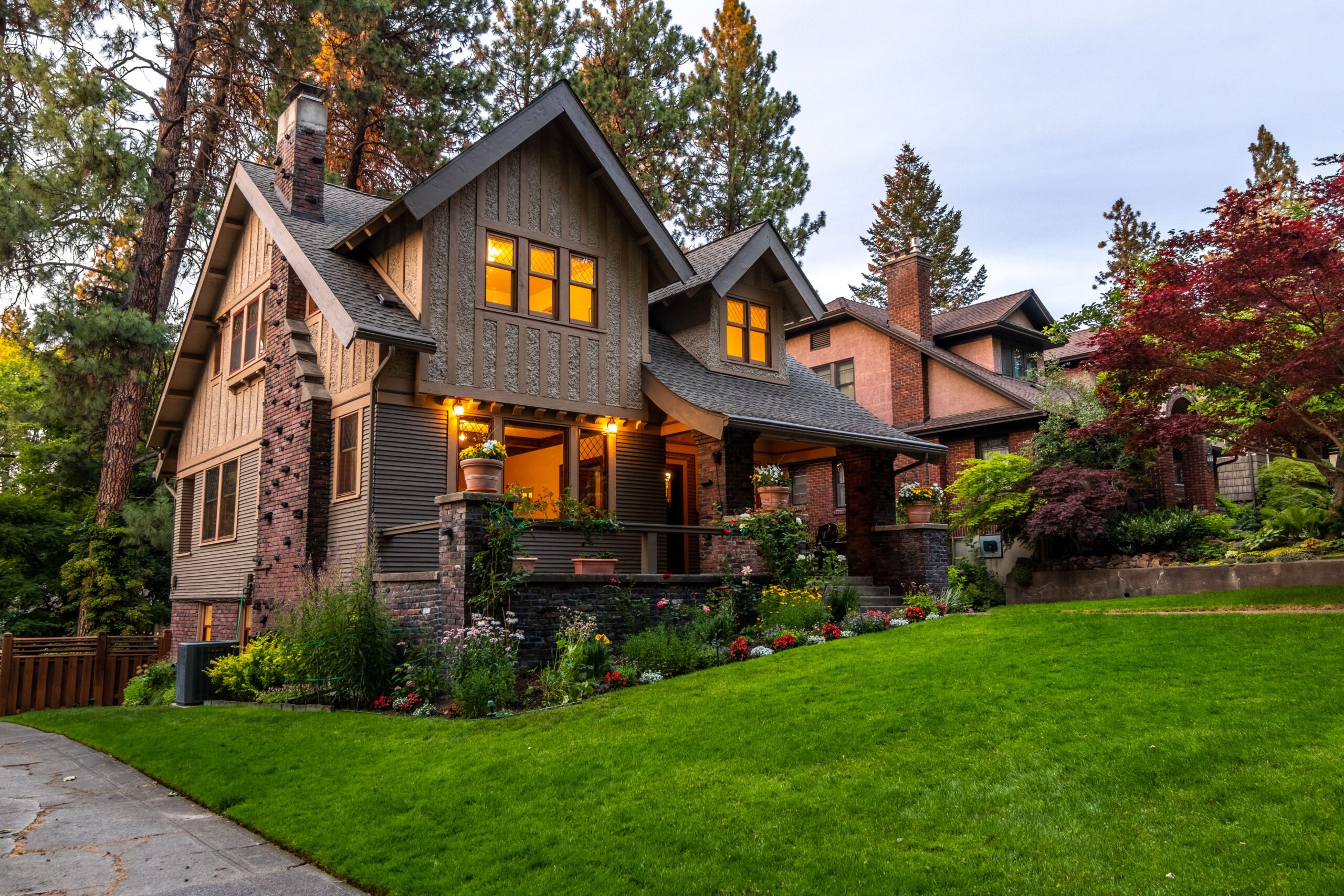
Yard care can grow into more work than you might anticipate. What starts as a manageable routine can quickly turn into endless chores you dread week after week and season after season. In many cases, the issue isn’t the effort you put in, but early decisions that end up having a far greater impact over time.
The way your space is divided—such as how much is lawn versus mulch, hardscaping, or other materials—affects how your yard handles weather and ultimately determines the level of upkeep involved. Making yard care easier often comes down to addressing small, recurring issues early, before they turn into ongoing work.
Fewer High-Maintenance Areas Make a Bigger Difference Than Most People Expect
One of the main reasons yard work feels endless is the number of spaces that need frequent attention. Large lawns, tight corners and narrow borders often require regular mowing, trimming and cleanup. Even minor design choices can increase workload when they repeat across multiple areas.
Yards that are easier to manage often rely on simpler layouts. Open spaces, wider transitions and straightforward shapes can minimize how much work you’ll have to do. This approach doesn’t mean sacrificing comfort or functionality.
When making changes, try to think beyond how an area looks on day one. Spaces that require weekly attention can become frustrating, especially during busy periods when time is limited.
How Ground Surfaces Change the Amount of Work a Yard Needs

Photo courtesy of depositphotos.com
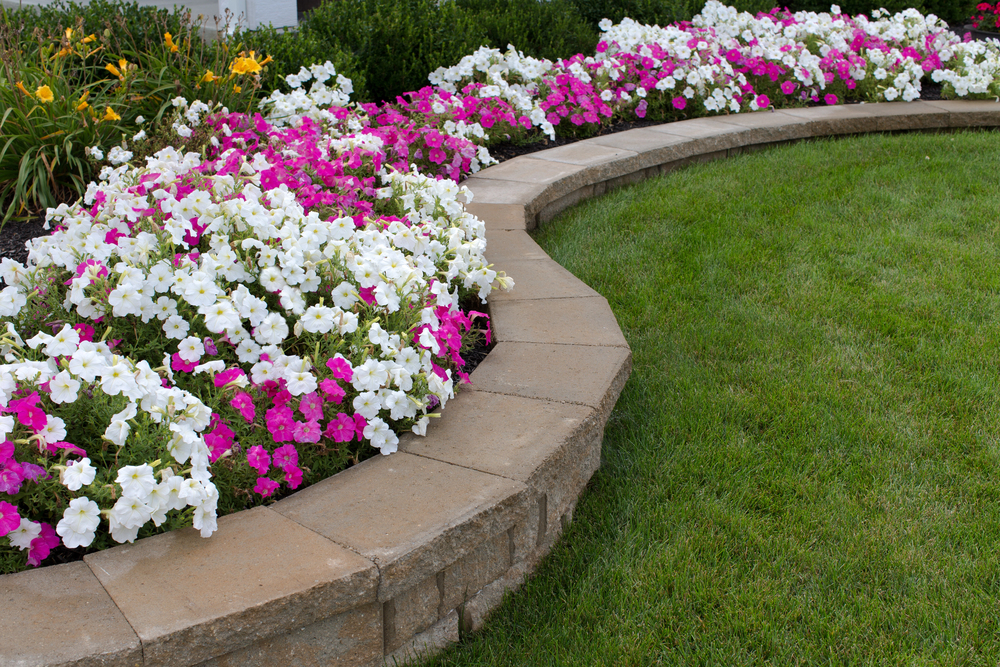
The various surfaces in a yard—for example. grass, stone, or mulch— can play a major role in how much care it will require over time. Grass, mulch, and stone all respond differently to foot traffic, moisture and changing weather, and a surface that will work well in one region may create extra work in another.
In areas with frequent rainfall, such where I live, as well as western Pennsylvania and parts of upstate New York, moisture control becomes especially important. For instance, homeowners in my town, in addition to people in cities like Pittsburgh and Syracuse, often encounter muddy patches and uneven ground when water has nowhere to drain. In places such as Columbus or Des Moines, drainage may be less of an issue, but temperature swings and compacted soil can still affect surface durability. Similar concerns arise in parts of the Southeast, where cities like Raleigh, NC, and Richmond, VA, experience a mix of heavy rain and warm temperatures that can accelerate surface wear.
Pennsylvania adds another layer of challenge, thanks to its freeze-thaw cycles. As temperatures fluctuate, organic ground coverings can break down or shift out of place, requiring regular replacement. For example, in those conditions, pea gravel Duncansville PA residents often choose for walkways and high-traffic areas holds up more reliably through moisture and temperature changes than organic materials. Similar surface choices are common in nearby communities such as Altoona and Hollidaysburg, where durability and drainage are more important than short-term appearance.
Looking at how surfaces perform across different climates helps explain why some yards feel easier to manage than others. When materials are chosen with local conditions in mind, upkeep can be both more predictable and less time-consuming.
Drainage Problems Add More Yard Work Than Most People Expect
Drainage issues are one of the most common reasons yard care can become more demanding over time. When water doesn’t drain away from frequently used areas, soil can become compacted, and surfaces may take longer to dry. These conditions make routine tasks like mowing or simply walking through the yard more difficult than they need to be.
Lingering moisture often leads to repeated cleanup and repair. Damp spots remain muddy, foot traffic creates ruts and soil shifts, requiring ongoing attention. Over time, these smaller problems can become recurring maintenance issues that are hard to ignore.
Poor drainage can also affect how a yard holds up throughout the year. Standing water during cooler months can weaken soil structure, while warmer weather can cause compacted areas to harden. Guidance from the Penn State Extension on infiltrating stormwater explains how improving water absorption in residential landscapes can reduce surface damage and long-term maintenance concerns.
Addressing drainage early—such as by installing a French drain system or building a rain garden—can help prevent these problems from becoming routine. When water is able to move through your yard more effectively, upkeep tends to stay manageable rather than constant.
Borders and Edges That Don’t Need Constant Fixing
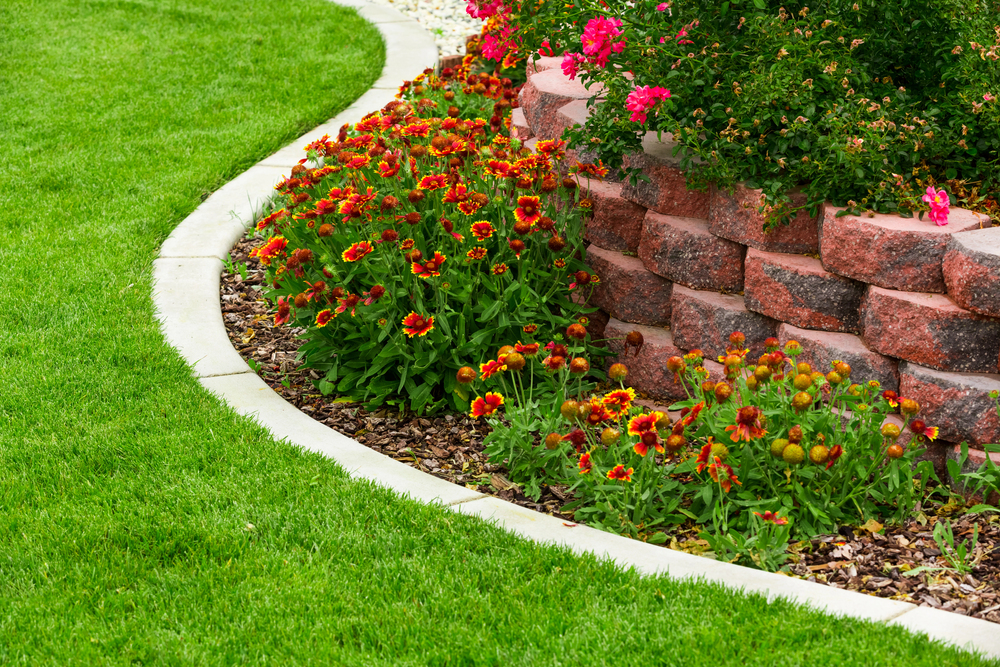
Photo courtesy of depositphotos.com
Borders and edges often create extra work when they require frequent straightening or repair. Materials that shift easily, rot, or allow grass and weeds to spread often require small but persistent tasks in regular yard care. These issues usually appear gradually and become more noticeable over time.
Yards that are easier to maintain often rely on edging ideas that stays in place with minimal attention. Wider transitions between areas, stable materials and simple outlines reduce the need for trimming and reshaping. When borders maintain their shape, routine upkeep becomes faster and less frustrating.
Choosing edges based on how they perform over time rather than how they look initially can make a noticeable difference. Fewer repairs mean less time spent correcting details that do not affect how the yard is actually used.
Seasonal Wear Is Where Yard Care Adds Up
Seasonal changes tend to reveal which parts of a yard require the most attention. Heavy rain, falling leaves and temperature shifts can turn manageable spaces into areas that need repeated cleanup. Over time, these patterns make it clear which choices hold up well and which ones quietly create extra work.
Surfaces and layouts that shed debris easily and resist moisture without degrading typically require less attention as the seasons change. This becomes especially noticeable during transitional months, when cleanup tasks can pile up quickly.
Focusing on durability and ease of cleanup can also help maintain a yard’s appearance throughout the year. Practical updates, such as those outlined in blog post, ways to maximize your home’s curb appeal, can reduce seasonal workload while keeping outdoor spaces looking cared for without constant effort.
Conclusion
Yard care becomes easier when fewer things need ongoing fixing or replacement. Small decisions about layout, surfaces and drainage often matter more over time than any single project. You can also consider making a more organized storage setup, such as in a backyard shed, for organizing all your tools and garden gear. When those choices align with the yard’s conditions rather than work against them, upkeep feels more manageable. If you aren’t sure what will work best in your yard, don’t hesitate to consult a professional near you.
An easier yard is not about doing everything at once or aiming for perfection. It comes from reducing the number of recurring tasks that require attention year after year. With a focus on durability and practicality, outdoor spaces can stay functional without turning yard care into a constant obligation.