
Pests are the last thing any homeowner wants to think about. But when it comes to termites, ignoring the possibility of your home having termites can be a costly mistake. While everything may look perfectly solid on the surface, but with termites, appearances can be very deceiving, and there might be far more happening beneath that calm exterior than you realize. In fact, it’s estimated that termites cause more than $5 billion dollars of property damage yearly in the United States.
A termite infestation isn’t dramatic or obvious at first. It’s quiet. Subtle. While you’re focused on choosing paint colors or rearranging furniture, thousands of tiny intruders could be steadily hollowing out the wooden framework behind the drywall. By the time the damage becomes visible, the “bones” of your home may already be compromised. That’s what makes termites such a serious threat—they don’t just invade your space, they undermine it from the inside out.
How They Get In
Termites don’t just waltz through the front door. They come up from the soil and look for any tiny bridge that connects the damp ground straight to the delicious timber framing of your house. If, for example you have a big pile of wet firewood stacked against the brickwork outside, you’re basically building a fast-food drive thru for them. They build tubes up through concrete foundations to stay hydrated while they travel inside—if you were to snap one of those mud tubes in half with a garden trowel, you’d be sickened to see hundreds of them in the dirt.
The Damage—and Repair Bills—They Cause

The biggest issue with most pests is that they’re creepy or can cause a health hazard. Termites are different. They don’t just invade your space; they quietly dismantle it. These insects can hollow out structural wood from the inside, leaving a paper-thin outer layer that looks perfectly intact. On the surface, everything appears solid. Underneath, it can be almost empty.
You might not realize there’s a problem until something gives way. Maybe you go to hang a heavy mirror in the hallway and your drill suddenly punches straight through the stud into what feels like nothing. That’s often how termite damage reveals itself—not with a warning, but with a collapse.
Adding to the frustration, many homeowner’s insurance policies classify termite damage as preventable maintenance, which means they won’t cover the repairs. Because standard insurance typically excludes it, homeowners often purchase what’s known as a termite bond from a professional pest control company. Think of it as a service contract or warranty. You pay an upfront fee for a thorough inspection and treatment to eliminate existing termites and create a protective barrier around the home. Then, for an annual renewal fee, the company continues inspections and monitoring. If termites return and cause damage while the bond is active, the pest control company is generally responsible for retreating the property and, depending on the contract, covering repairs.
Spotting the signs early
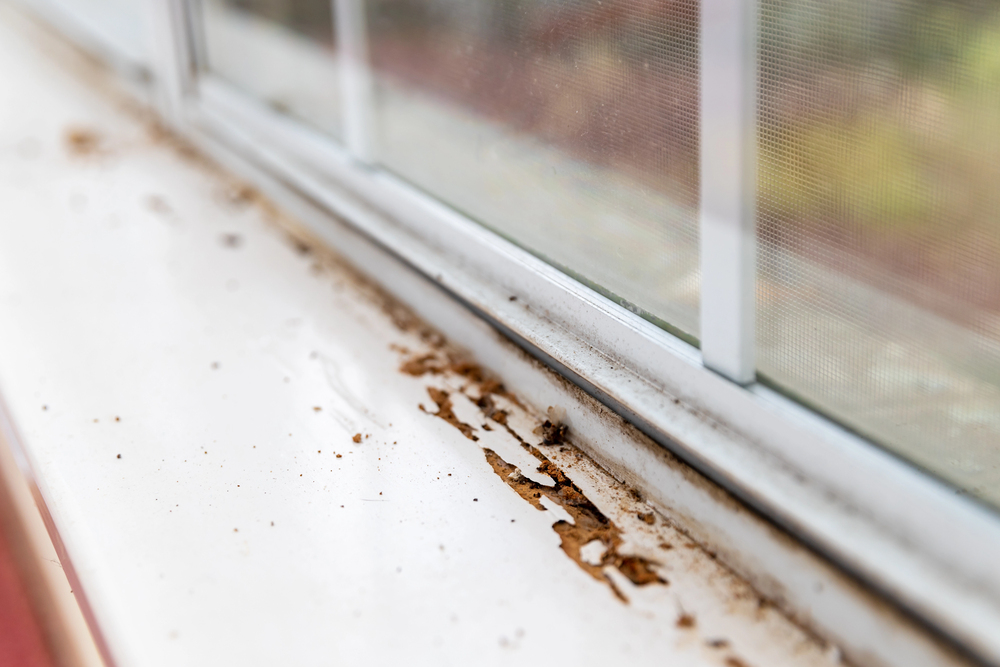
If you notice things like bubbling paint on the skirting boards or you find a pile of discarded wings on the windowsill (that look like tiny fish scales) you need to act immediately and call a termite control company. They swarm inside when the weather gets warm and then shed their wings before boring into the timber. It doesn’t matter if you keep the kitchen spotless because they don’t care about your leftover pizza crusts—they will just eat the actual floorboards instead! You just have to swallow the bitter pill and pay a professional to drill into the concrete and pump chemicals everywhere before the damage gets any worse.
Prevention Tips
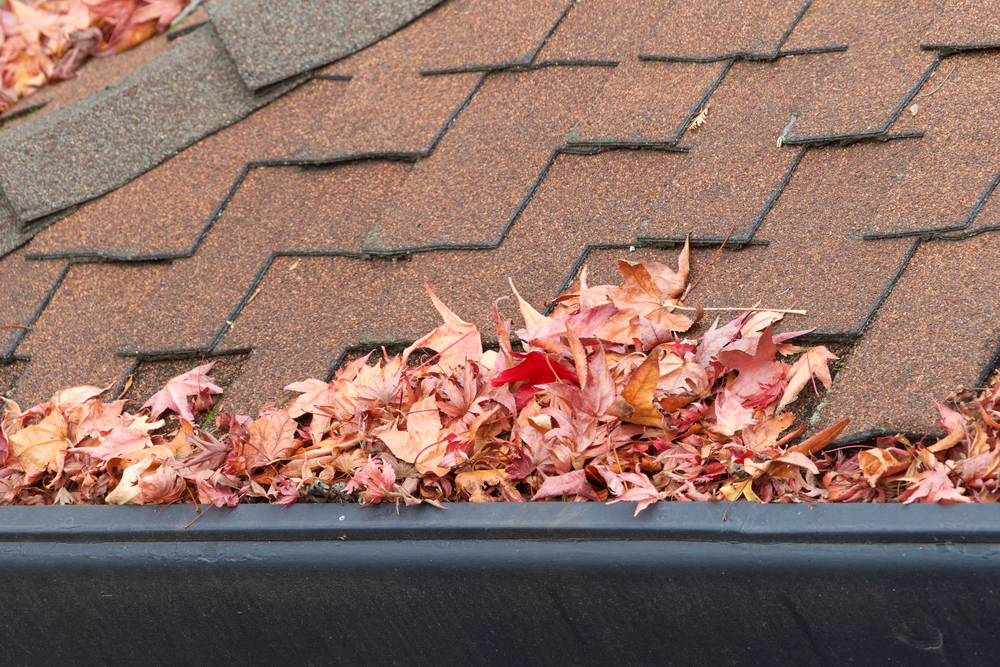
If your home is thankfully termite free, there are several steps you can take to hopefully keep them away:
- Inspect your home regularly for signs of a termite infestation, like rotting wood, so you can call in a pest professional promptly to protect your home.
- Fix water issues on your property, like clogged gutters and downspouts, leaky faucets or pipes, or drainage problems right away, as such issues can attract termites.
- Keep your home well maintained. For instance, keeping your roof in good condition and regularlly cleaning your gutters can help you avoid attracting these pests.
- Provide good ventilation in your attic, basement and crawl bases to avoid excess moisture.
- Protect your exterior: Maintain your home’s siding, don’t excessively mulch garden beds against your house, and store firewood a distance away from your home’s exterior walls.