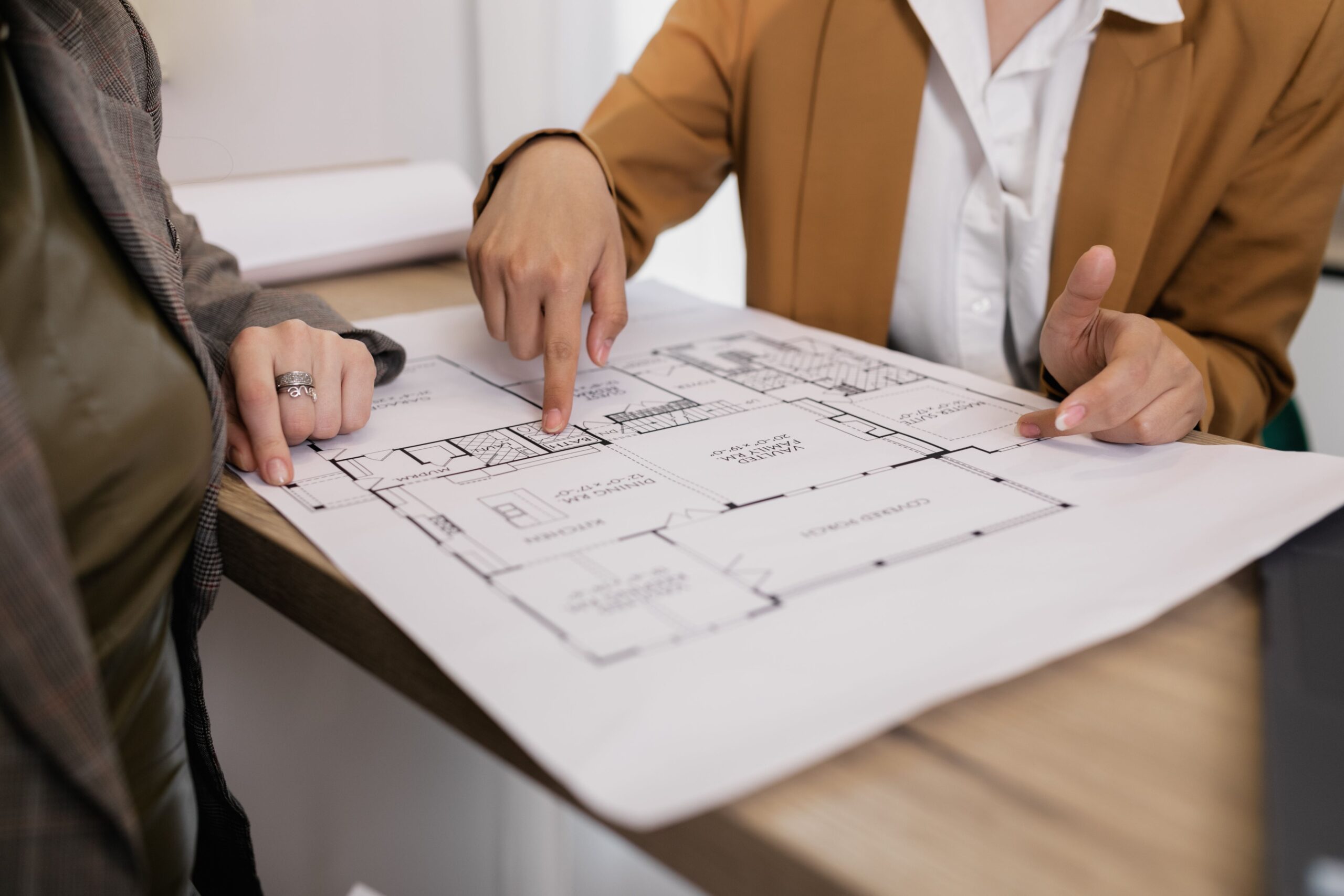
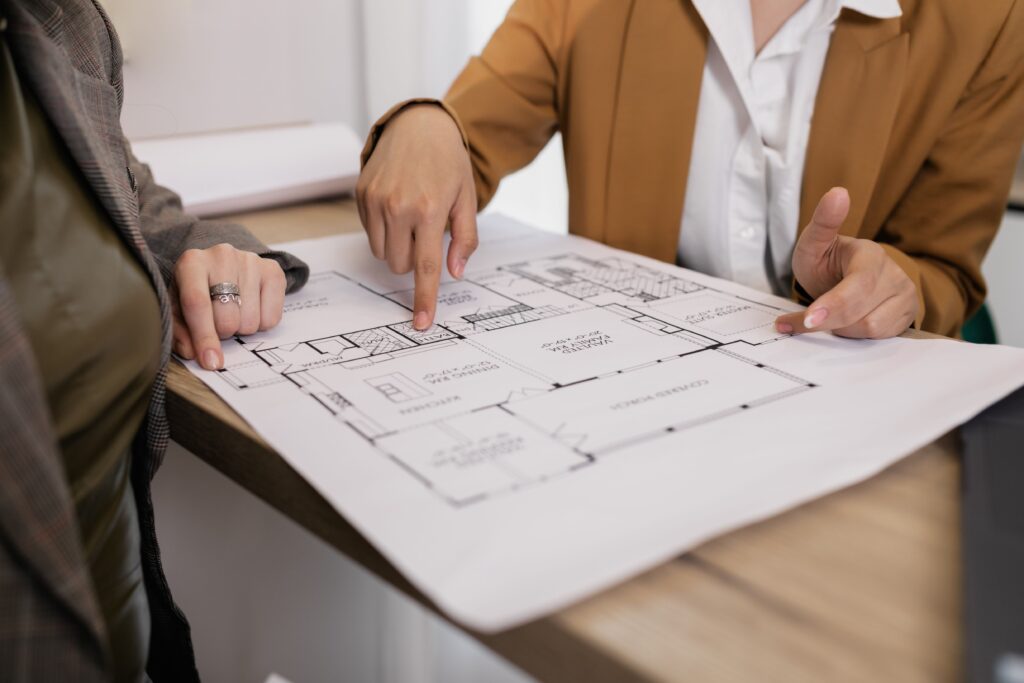
Meeting a designer for the first time can feel like a job interview, except you are the one doing the hiring. The more you bring to the table, the more useful that first conversation will be. A designer who understands your budget and the way your family lives can start sketching ideas right away. One who gets a vague wish list will spend the first few meetings just asking basic questions.
Use this checklist to get organized before you go.
Start With a Realistic Budget Range
Bring a range instead of a single number. A range gives the designer room to suggest options at different price points, and it keeps the conversation honest about trade-offs. Be clear about what the range covers. Land, site preparation, permits, utility hookups, landscaping, and furnishings often sit outside the construction estimate, so decide which of them you are counting.
Plan for a cushion, too. A contingency of 10 to 15 percent is a common recommendation, because soil conditions, material prices, and mid-project changes tend to add costs. If you have a mortgage pre-approval letter or a construction loan estimate, bring it along so the designer knows where your ceiling really is.
Write Down Your Must-Haves and Nice-to-Haves
A wish list for your dream home only helps if it is ranked. Sort your list into things the house cannot work without and things you would like if the budget allows. When costs come in higher than expected, that ranking is what keeps the decisions from turning into arguments.
Think About How You Live Day to Day
Skip the room counts for a minute and describe an ordinary weekday. Where does the mail and the backpack pile land? Would just a corner space work or would you like a custom mudroom? Who cooks, and who is in the kitchen while they do? Where does someone take a work call without hearing the dishwasher? Designers can build a layout around habits like these far better than they can around “four bedrooms and an open kitchen.”
Plan for the Years Ahead
Think about who will live in the house in ten or twenty years. Kids grow up and leave, parents may move in, and a spare room might need to become an office. Mention these possibilities early. A main-floor bedroom, a wider doorway, or a bonus room over the garage is much cheaper to plan for now than to retrofit later.
Gather Details About Your Lot
The land shapes the house more than most people expect. If you already own or have a contract on a lot, bring everything you have on it:
- The survey or plat, which shows boundaries, easements, and setbacks
- Zoning rules, height limits, and any HOA or architectural review requirements
- Notes on slope, drainage, trees, and soil, including any geotechnical report
- Information on water, sewer or septic, electric, and internet access
- Your own notes on where the sun rises and sets and which views you want to keep
If you have not bought land yet, tell the designer which neighborhoods you are considering. Many designers will review a lot with you before you commit, and that can save you from buying a site that blows up your budget.
Bring Inspiration Photos, With Notes
A Pinterest board or a folder of saved photos is one of the fastest ways to show your taste. Keep it to 10 or 15 images, and write a short note on each one about what caught your eye. A photo of a kitchen might be saved for the island, the cabinet color, or the window over the sink, and the designer cannot tell which without asking.
Include a few images you dislike as well. Knowing that you cannot stand dark wood floors or heavy trim saves time and prevents a lot of revisions.
Questions to Ask the Designer
The first meeting goes both ways. You are deciding whether this person is the right fit for a project that will take many months, so come with questions ready:
- How do you structure your fees, and what is included in each phase?
- Who will I work with day to day, and how often will we talk?
- How many projects are you handling right now?
- How do you handle changes once plans are approved?
- Can I see completed homes similar to what I have in mind, and speak with past clients?
Before you sign anything, interview two or three custom home designers and ask how they handle budget changes once construction starts. Their answers tell you a lot. A good designer will explain how estimates are updated, how change orders are priced, and when you will be asked to approve extra costs. Comparing those answers side by side makes it easier to see who communicates clearly.
Know Who Makes the Decisions and When You Need to Move In
If more than one person has a say in the house, make sure everyone attends the first meeting or has weighed in beforehand. A design that one partner loves and the other has never seen tends to be redrawn. Bring a target move-in date as well, and mention anything that makes it firm, such as the end of a lease or a school year. Building a custom home usually takes longer than people hope, so the designer needs an honest picture of your timeline from the start.
Leave With Clear Next Steps
Before you wrap up, ask what happens next. You should walk out knowing what the designer needs from you, what you will receive and when, and what the next meeting will cover. Ask for a written summary of the scope and fees so you can compare it with the other designers you meet.
Showing up prepared does not commit you to anything. It does make the conversation more productive, and it gives you a much better read on whether the designer is the right person to bring your plans to life.