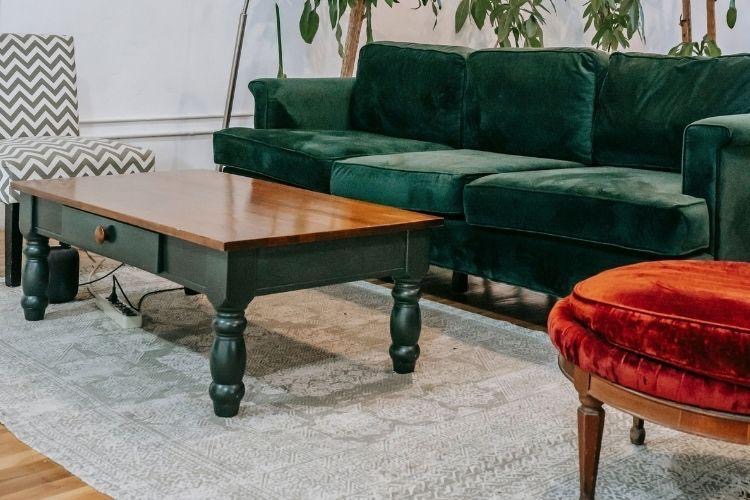
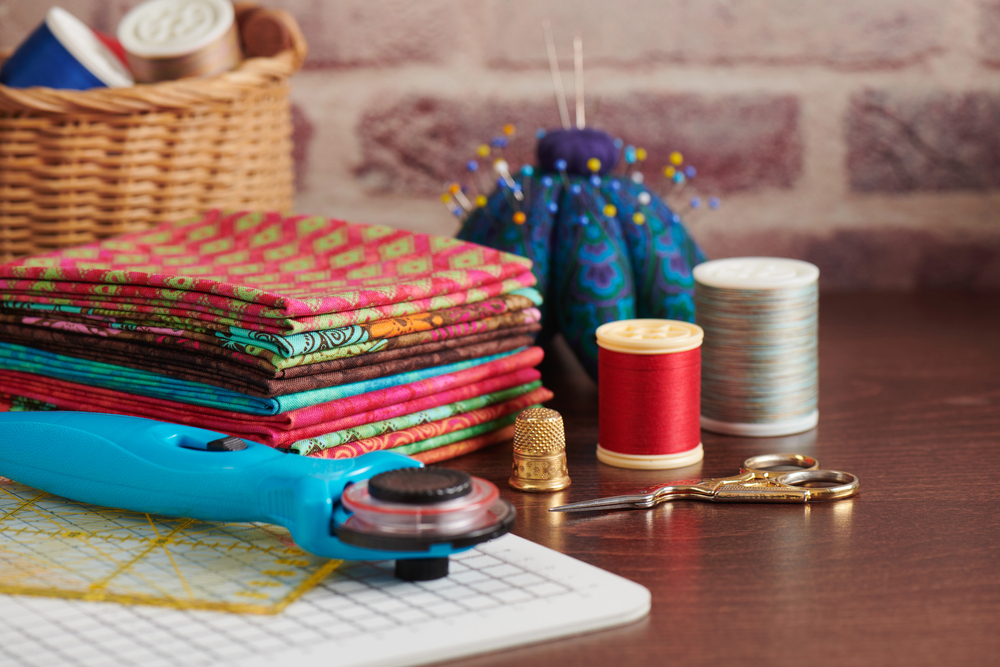
In recent years, there has been a remarkable resurgence in handmade hobbies. From knitting and crochet to woodworking and pottery, people are gravitating towards activities that offer a tangible connection to their creativity. This trend isn’t just a passing phase; it reflects a collective desire for mindfulness, connection and self-sufficiency in an increasingly digital and fast-paced world.
The Allure of Crafting
There’s something remarkably satisfying about creating something with your own hands—whether it’s handmade Christmas ornaments or even gnomes! The act of crafting can be meditative, allowing you to escape from daily stressors, unwind a bit, and enjoy a sense of accomplishment. For many, the process is just as gratifying as the end product!
One of the key factors driving this renaissance in handmade hobbies is the emphasis on slow living. In an environment dominated by immediate gratification—think streaming services with endless content and fast-fashion retailers—more people are finding joy in taking their time. Crafting encourages us to slow down, focus on the moment, and appreciate the small details of our creations.
Moreover, the rise of social media plays a significant role in this revival. Platforms like Instagram and YouTube have created vibrant communities where crafters can share their work, exchange ideas and inspire each other. Tutorials introduce enthusiasts to an array of techniques and possibilities, making it easier than ever for beginners to dive into the world of crafting.
Knitting: A Perfect Example
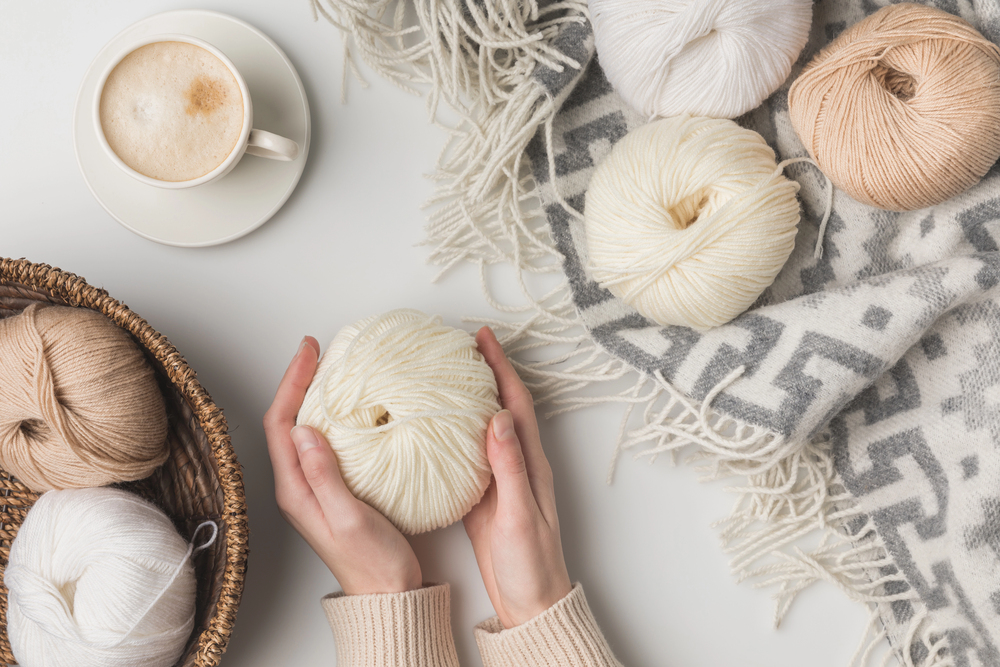
Among various handmade hobbies, knitting stands out as particularly appealing. Originating centuries ago as a practical means of creating clothing, knitting has evolved into a popular creative outlet. Today, many are discovering the joy of this craft, thanks to accessible resources and welcoming communities.
For those just beginning their knitting journey, there are numerous introductory kits for first-time knitters that simplify the initial learning curve. These kits often include everything a newbie requires: needles, yarn and patterns. This approach removes the intimidation factor, encouraging more people to pick up the needles and get started.
The Social Aspect of Knitting
Knitting also has a strong social component. Many people join knitting circles or workshops, fostering a sense of community. These gatherings provide both support and social interaction, making it not just a solitary craft but a collective experience. Sharing tips and techniques can create lasting friendships, making the hobby even more rewarding.
The Benefits of Crafting
Crafting is not just about creating beautiful items. It offers a range of benefits that contribute to mental well-being and personal development.
Mental Health Benefits
Engaging in creative activities like knitting has been shown to reduce anxiety and stress. That’s because when you’re absorbed in a project, your focus shifts away from worries and into the rhythm of your craft. This meditative quality can be incredibly therapeutic, offering a respite from the chaos of life.
In addition to stress relief, creating can enhance cognitive function. Studies suggest that engaging in crafts actually activates the brain in unique ways, promoting problem-solving skills and improving memory. The repetitive motions of knitting, for instance, can help to improve fine motor skills, making it beneficial for all ages.
Mindfulness and Satisfaction
Handmade hobbies promote mindfulness. The concentration required to follow a pattern or create a design can allow you to immerse yourself in the moment. This focus can foster a sense of presence that can be difficult to achieve in a world filled with distractions.
Moreover, it can be so satisfying to complete a project—like my hammock cover project this summer! Whether it’s a striking scarf or a gorgeous piece of pottery, the tangible results can provide a sense of achievement. This feeling of accomplishment can boost your self-esteem and encourage you to further pursue the craft.
Sustainability and Self-Sufficiency
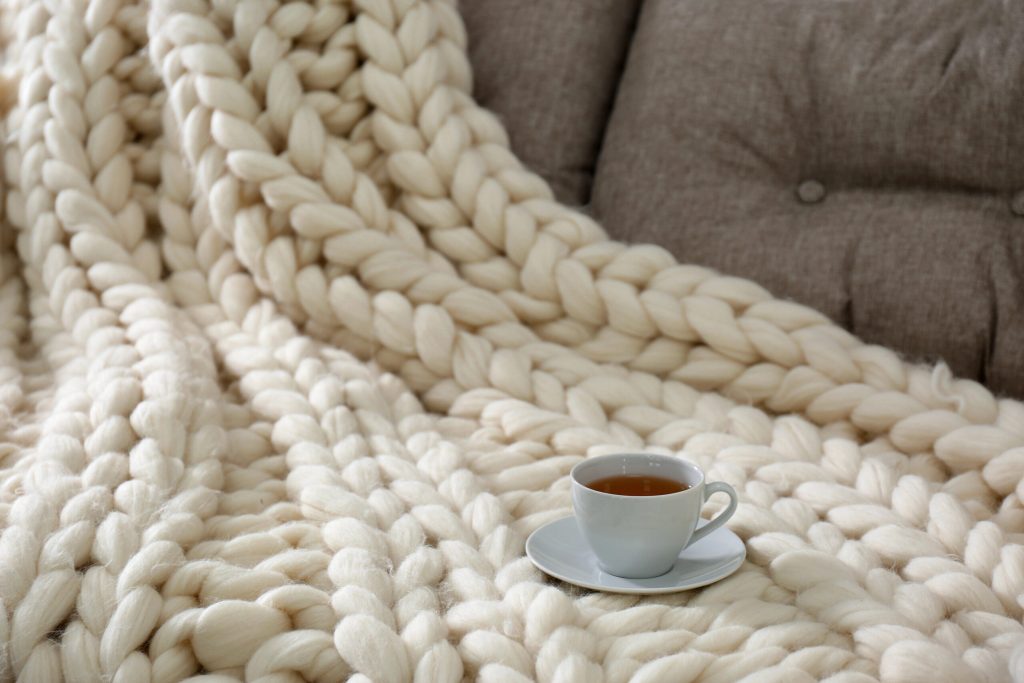
As issues surrounding sustainability and fast fashion gain prominence, many people are turning to handmade hobbies as a sustainable alternative. Knitting, for example, allows you to create your own garments without supporting mass production practices that often exploit workers and harm the environment.
By crafting your own items, you can choose quality materials and create pieces that last, promoting a more sustainable lifestyle. Furthermore, embracing these hobbies can help you to be more self-sufficient, empowering you to make your own items instead of buying them. Such a shift can also have a positive impact on your local economy and reduce your overall carbon footprint.
Looking Ahead: The Future of Handmade
As we move deeper into the digital age, the allure of handmade hobbies shows no signs of waning. With its ability to provide connection, creativity and a sense of purpose, craft-making is poised for continued growth.
Educational initiatives and community workshops are cropping up everywhere, providing resources for those eager to learn new skills. Online platforms are also expanding their offerings, making it easier for enthusiasts to connect, share, and learn, irrespective of location.
In a world where digital interactions often leave us feeling disconnected, there’s a powerful allure to engaging with our hands and hearts in creative ways. Rewarding our need for both artistic expression and community, handmade hobbies promise to bring both joy and connection for years to come.
In conclusion, the resurgence of handmade hobbies is not just a trend; it’s a movement towards mindfulness, sustainability, and community-building. By embracing activities like knitting, you’re not merely creating; you’re participating in a larger dialogue about the value of creativity, connection and self-reliance in our modern lives. So gather your yarn and needles, join a local group, or perhaps explore some introductory kits for first-time knitters, and reconnect with the simple goodness of making something by hand.