Bringing a dog into a family with children can be a joyful and rewarding experience for everyone. Often called “man’s best friend,” dogs offer endless love and companionship. However, helping your dog and children build a strong bond takes time and care. It’s about fostering a positive relationship that benefits everyone.
It’s important to encourage respect and understanding between your pet and your kids. By using different strategies, you can help your dog and your kids enjoy each other’s company.
Here are the different ways for dogs and children to get along.
Set Clear Rules
To get off to a great start with your dog, it’s important to establish clear boundaries. Children should learn how to interact safely with their dog, using simple commands like “gentle” and “sit.” Teaching these basics helps kids feel confident and responsible, strengthening their bond with their new furry friend.
On the dog’s side, set consistent rules such as no jumping on furniture or staying out of children’s play areas. This mutual understanding creates a sense of security for everyone and fosters a calmer, more harmonious home.
Diet and Behavior
What dogs eat affects how they act around children. A well-fed dog with the right nutrition is usually calmer and friendlier. It’s essential to provide dogs with a balanced diet tailored to their age, size, and energy level.
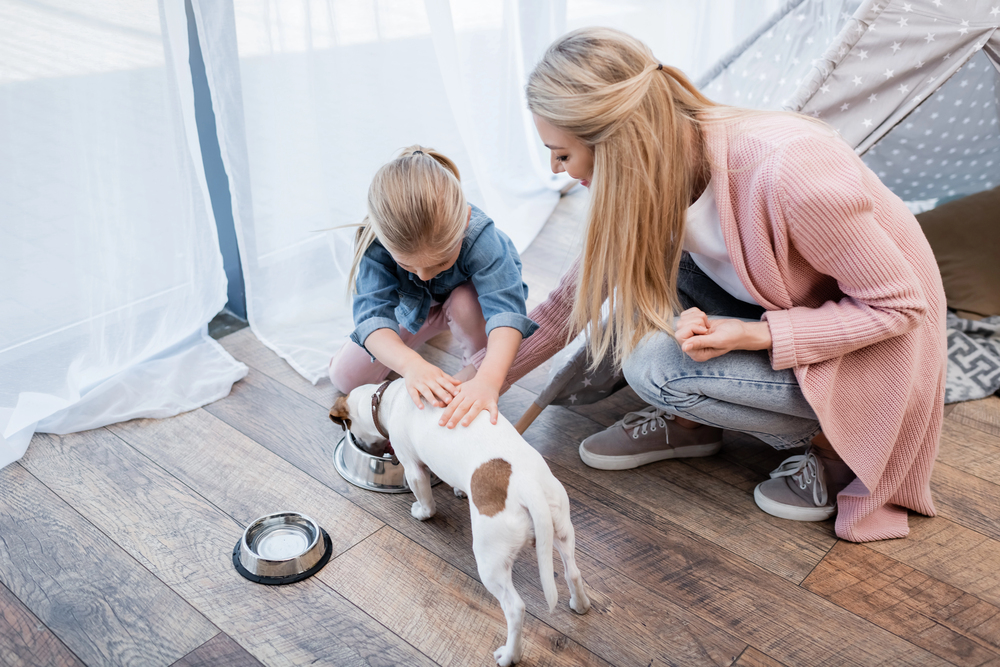
Involving kids in feeding dog food can be a fun and responsible task. Letting them measure out food or fill the dog’s bowl teaches them responsibility and helps them bond with their dog. When children see that their actions support their dog’s needs, it can strengthen their relationship.
Introduce Them Properly
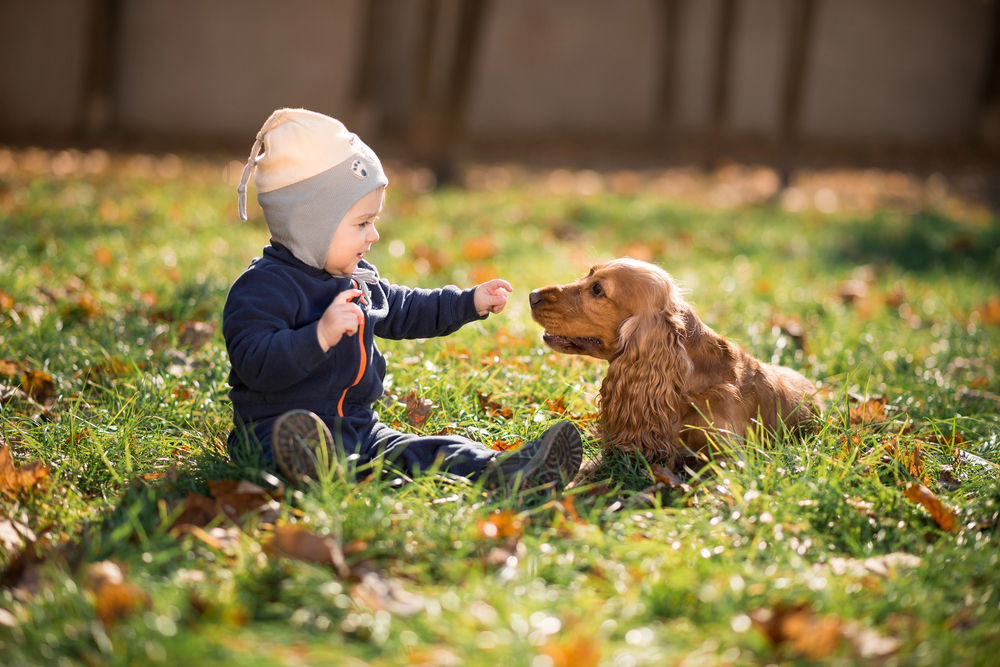
First impressions are important. When introducing a dog to a home with children, it’s important do so in a calm and gentle manner. Let the dog approach the kids at its own pace. Teach children to remain quiet and calm during these introductions, as loud noises or sudden movements can scare the dog.
Encouraging gentle interactions helps build trust. For example, let the dog sniff the child while encouraging the child to extend a hand for a friendly encounter slowly.
Use Positive Reinforcement
Rewarding good behavior helps encourage positive interactions between dogs and kids. When your dog behaves well around the children, give praise, treats or affection. This will help your dog view kids as a positive influence while teaching your kids to reward their dog’s good behavior.
You can also involve your kids in training sessions, turning playtime into a learning experience. Teaching the dog tricks or commands can be a fun group activity. Plus, children will feel proud when they see their training efforts succeed.
Engage in Activities Together
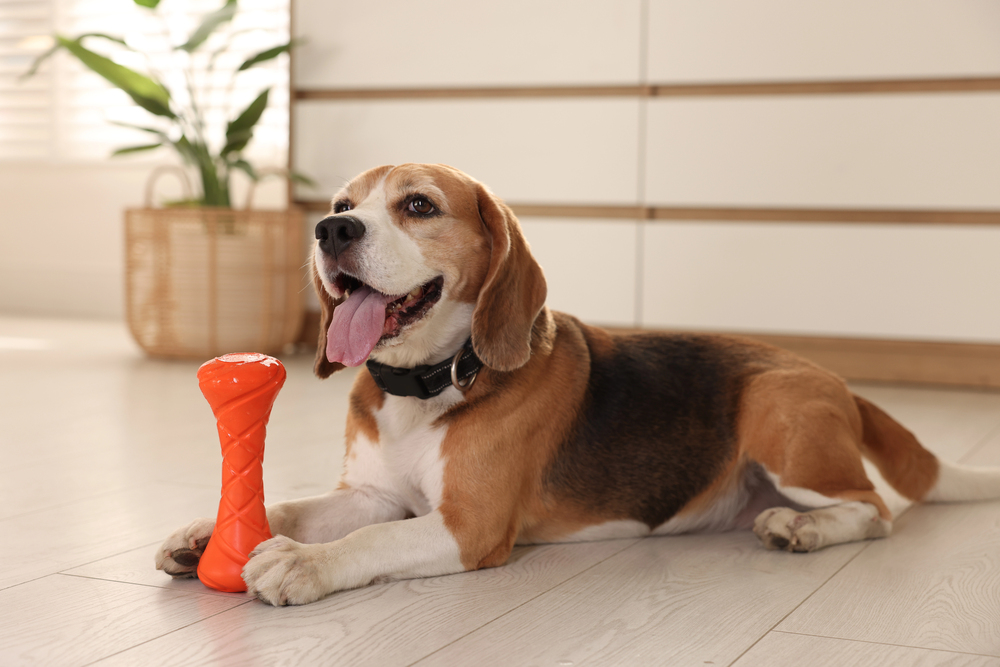
Enjoying fun activities together is an excellent way for dogs and children to bond. Playing fetch, going for walks, or participating in dog-friendly games provides exercise and fun. Select activities that align with the energy levels of both your dog and your children.
Structured playtime fosters positive interactions, promoting routines that cultivate comfort and familiarity. Organizing a special time for kids and the dog can lead to shared experiences that strengthen their relationship.
Understanding Dog Body Language
Children need to learn about dog body language to establish a strong relationship with dogs. Kids should know how to spot when a dog is stressed or uncomfortable. Signs include a tucked tail, growling or not wanting to engage. Recognizing when a dog needs space is just as crucial as promoting positive interactions.
When children learn to observe and respect a dog’s needs, they develop empathy and understanding. This will lead to safer interactions. A child who understands a dog’s signals can avoid misinterpretations, creating a safer environment for everyone.
Safe Spaces
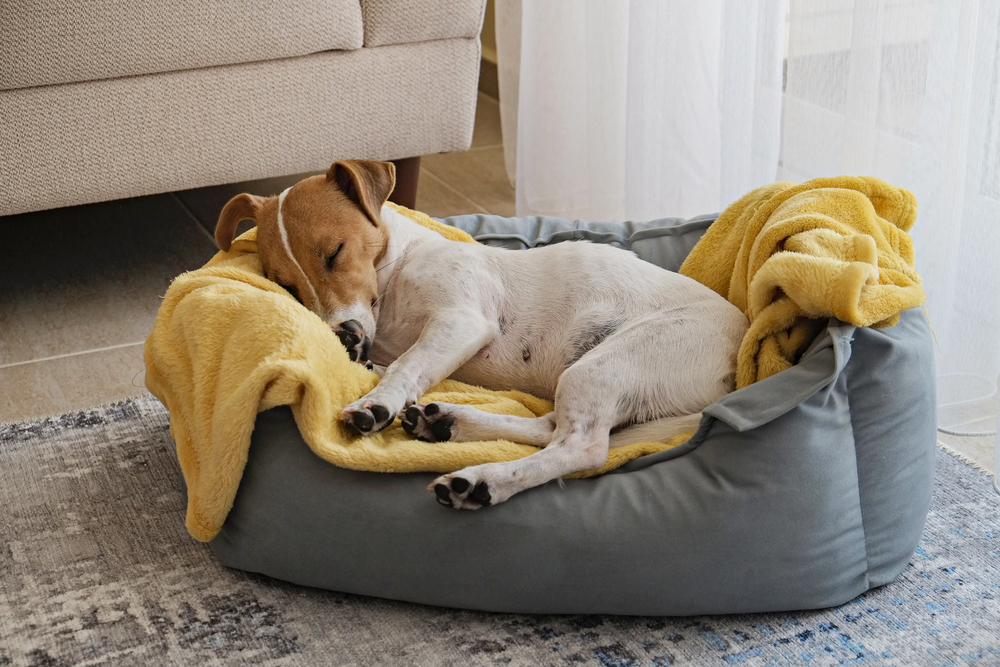
Creating safe spaces for both dogs and children is helpful. Dogs should have a specific spot in the home where they can go if they feel overwhelmed. This could be a cozy bed in the corner or a crate they feel comfortable using.
Children should also have their own areas to play that are free from interruptions by the dog. When both kids and dogs have their own special zones, it helps avoid conflicts and allows them to coexist peacefully.
Teach Children About Responsibility
Having a dog helps families teach children about responsibility and accountability. Give kids simple tasks, like feeding the dog, filling its water bowl, or helping with grooming. You can also consult with them in choosing brands, such as Open Farm dog food. This shows them how to care for another living being. Discuss with them the importance of being consistent and committed in pet care.
Letting children help with training and daily routines helps them understand the dog’s behavior and needs. Sharing these tasks fosters a caring environment for both the dog and the kids, building positive relationships.
Create a Safe Environment
It is essential to create a safe environment that allows dogs and children to interact happily. Change your home to prevent accidents. Secure items that could harm anyone, such as cleaning supplies, small toys, or food that is unsafe for dogs.
Supervise interactions between the dog and children, especially at first. Watching closely helps you step in if anyone seems stressed or uncomfortable. Teach children to interact respectfully with the dog by avoiding its face, respecting its space, and knowing when the dog needs alone time.
Bringing a dog into a family with children can be one of the most rewarding experiences. With patience, structure, and consistent guidance, dogs and kids can form a deep, lasting bond that they both will enjoy for years to come.