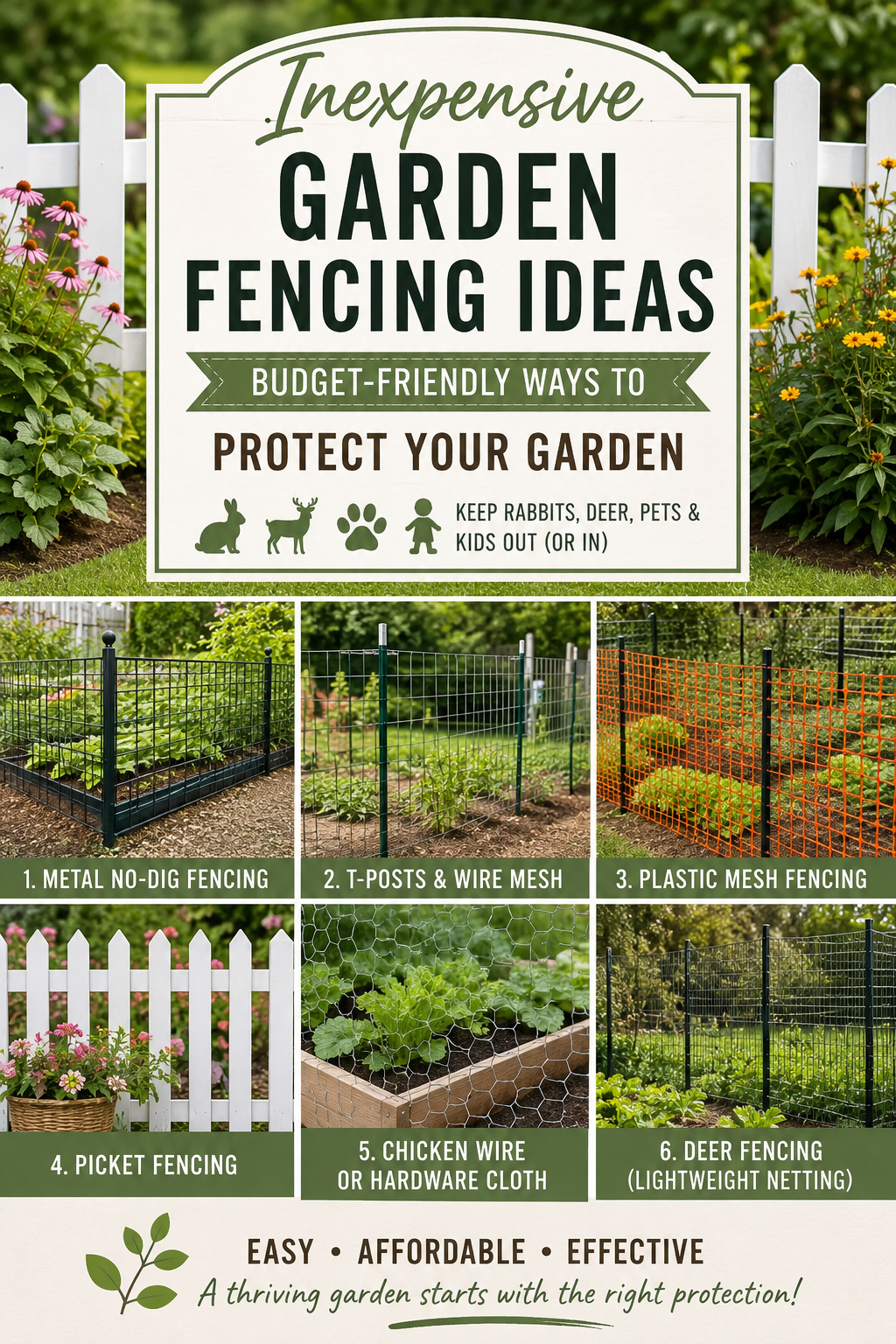
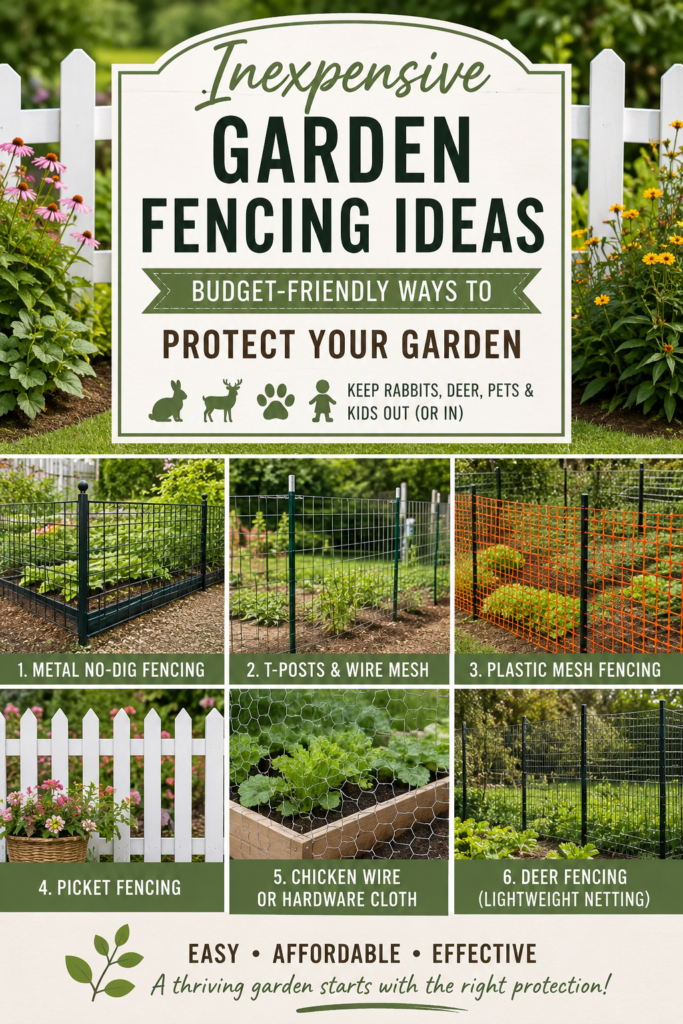
Working in a garden is one of the biggest joys of summer, but it can also be challenging—especially when you want to keep rabbits out of your garden or stop neighborhood pets from digging up your veggies! That’s why adding garden fencing is imperative. I am hoping to grow some vegetables this summer (in the past, I have stuck to flowers), so I am looking for a budget or DIY garden fencing option. I am hoping to enclose my garden without having to spend much!
Luckily, garden fencing doesn’t have to be expensive or complicated—especially since this Memorial Day weekend, there are lots of sales, like 40% off outdoor and garden products on Amazon.
Here are some inexpensive fencing solutions you could consider.
Why You Might Need Garden Fencing
Before choosing a fencing style, understand your priorities:
1. Pest control
Rabbits, squirrels, groundhogs and deer can eat up much of your garden.
2. Protecting pets and kids
Even well-behaved dogs or toddlers can trample seedlings or destroy freshly planted seeds.
3. Defining garden space
Fencing can create boundaries and give your garden an appealing, organized look.
Budget-Friendly Garden Fencing Options
1. Metal No-Dig Fencing
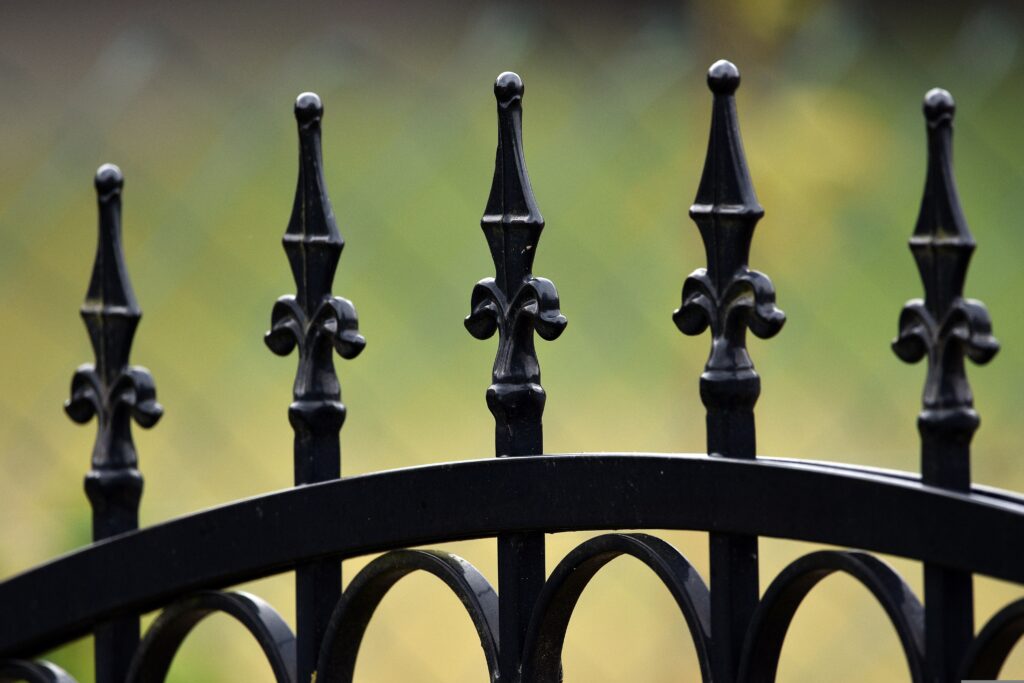
Metal no-dig fencing is a simple and easy-to-install option—you don’t need to dig post holes; you just need to sink the fencing’s posts into the dirt. You can use a simple mallet to help you. I most likely will be enclosing my garden with metal no-dig fencing!
It’s pluses:
- Fast and easy installation
- No digging required
- Polished appearance
- Can deter most small animals
Best for: Raised garden beds, small vegetable gardens and decorative borders
For added security: Lay bricks or stones around the perimeter of your metal fencing to deter rodents or other small animals from digging under your fencing and into your garden.
2. T-Posts or Wooden Posts with Wire Mesh
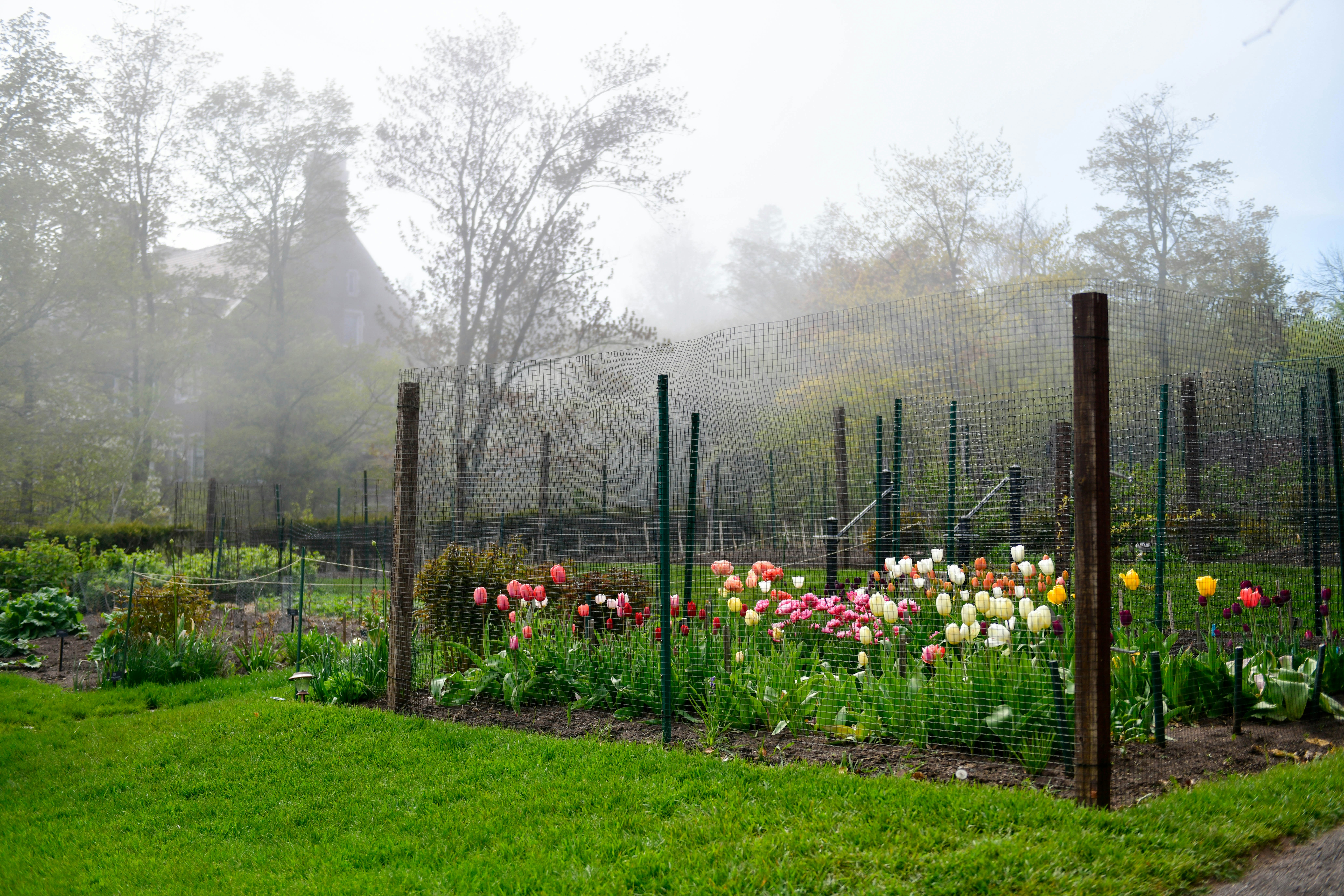
For an even stricter budget, consider pairing T-posts that you can easily drive into the ground and hang wire mesh fencing (like welded wire or hardware cloth) between them. If you prefer, you can use classic wooden posts instead of T-posts, but they will be more difficult to set securely in the ground. (You may need to install them with gravel or concrete for added stability.)
Their pluses:
- Cost-effective
- Sturdy and long-lasting
- Easy to customize to meet your desired height and length.
Best for: Vegetable plots and areas with rabbits or groundhogs
For added security: Bury the mesh underground to block burrowing animals
3. Plastic Garden Mesh Fencing
Plastic mesh fencing is very affordable. It’s also lightweight, easy to cut and simple to install with stakes and zip ties.
Its plusses:
- Very low cost
- Easy DIY installation
- Flexible and lightweight
- Good temporary or seasonal solution
It’s cons:
- Not as strong—some animals can chew through it; might not hold up against large dogs
- Sun exposure can weaken it
Best for: Temporary garden protection
4. Picket Fencing
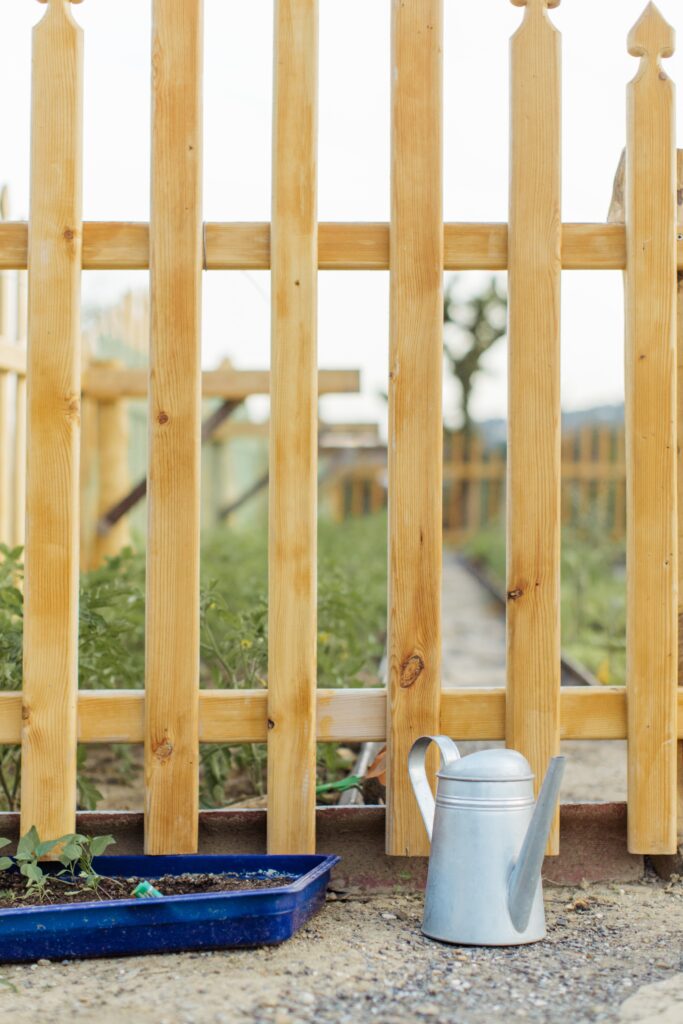
Picket fencing offers a pretty and traditional look while still providing practical garden protection.
It can be more expensive than other budget options, but simple pre-made picket panels or DIY versions can be relatively inexpensive for small spaces.
Its pluses:
- Attractive curb appeal
- Solid physical barrier
- A good choice for spaces with pets and children
- Can be customized or painted
Best for: Front yard gardens and ornamental beds.
5. Chicken Wire or Hardware Cloth
Chicken wire is one of the most widely used garden fencing materials for a reason—it’s cheap, flexible and easy to install. However, you do need something like wire cutters to cut it. However, be careful not to scratch yourself on its rough edges.
Its pluses:
- Very affordable
- Easy to shape around beds or frames
- Excellent for keeping out rabbits and small animals
Best for: Vegetable gardens and raised beds
6. Deer Fencing (Lightweight Netting)
If deer are your biggest problem, taller lightweight deer netting can be a cost-effective solution.
Its pluses:
- Covers large areas at low cost
- Easy to install with posts
- Effective deterrent for deer when tall enough
Best for: Rural or wooded properties with deer.
Check out the no-dig fence I chose for my garden!
*This post contains Amazon affiliate links. If you click on an affiliate link, I will earn a commision that helps fund this blog. Thanks!