If you’re a keen gardener, then you probably know a thing or two about the importance of keeping your plants happily watered. There’s no worse sight than dry, cracked soil and a wilted plant that’s clearly gasping for a drink. But did you know that overwatering can be an equally severe problem, with much the same results?
While waterlogged soil certainly won’t leave your plants parched, it does see them sitting in excesses of water, which, in the long-run, can kill them just the same. Sometimes, waterlogging happens because of an overly keen approach to feeding your plants. Oftentimes, though, this is an issue with the water runoff in your garden itself.
Be honest, do you often notice your plants struggling after heavy rainfall? Is there a telltale damp squelch each time you step outside? Or perhaps you’re simply feeling disappointed in your garden and think that waterlogging might be at play? Keep on reading for the five top signs that you’re dealing with this problem, as well as some suggestions to help you overcome it.
# 1 – A Complete Lack of Drainage
If you have no semblance of a drainage system in your yard, then this can be a sign of issues in itself. That’s especially the case if you live in a wet area, where water runoff is sure to build and take its toll if you’re not taking any steps to ease that risk. Sloping or hilly gardens, in particular, require drainage to ensure that plants have a reasonable chance of survival.
If you’re particularly worried about sodden ground in certain areas where there’s nowhere for water to go, then we highly recommend looking into different options for drainage. Arguably, your best option here is to look into trench drain installation, which can serve to stop water runoffs in their tracks, long before they reach your prized plant growth. Other popular drainage options include perforated pipe systems and surface ditches.
Simply think about how much water you’re dealing with, the prime problem areas, and which drain would suit your purposes best.
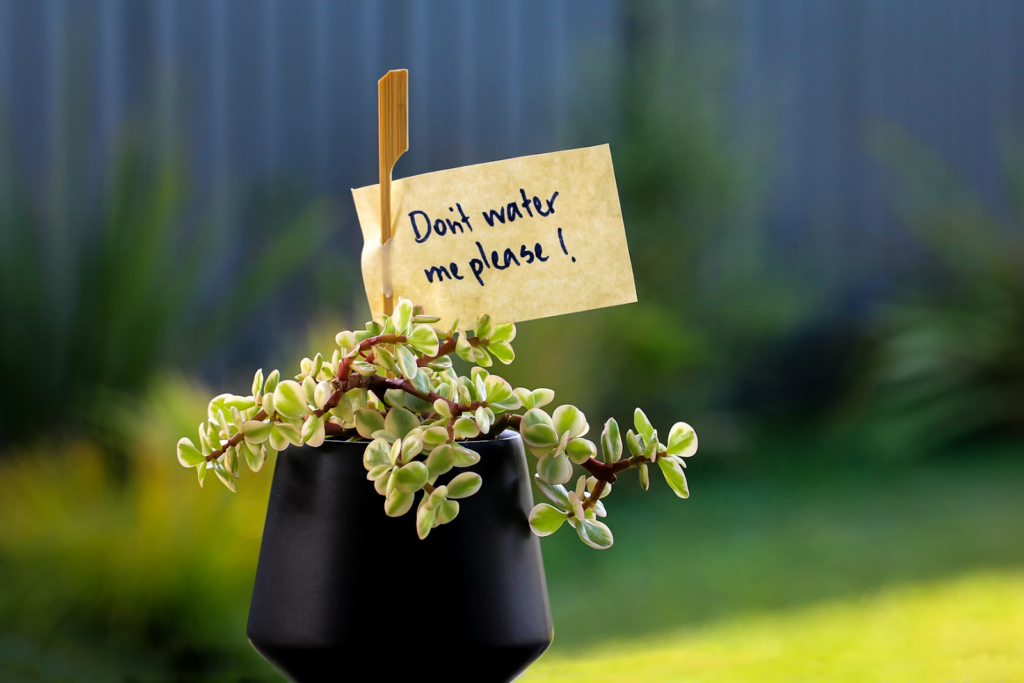
Photo by Sandy Millar on Unsplash
# 2 – A Tell-Tale Smell
Do you notice a sulphurous or sour smell in the air each time you step outside? If yes, then you could be dealing with waterlogged soil that you’re not even aware of. This smell, which happens due to a lack of oxygenation in damp soil, is as damaging as it is unpleasant. And, you’ll want to take immediate steps to address the issue.
Obviously, drainage is your best bet here (as it is for most of the issues in this article), but if a smell has already taken hold, it’s also essential to aerate your soil directly. This will clear any water buildups, but it will also loosen the soil that’s been compacted by all of that water. It’s also helpful to add organic materials like compost, as these can increase soil porosity and may help to offset the negative smell and affects that water buildup has had until now.
# 3 – Algae in Your Soil
Sometimes, the first sign of a waterlogged garden will be a telltale slimy layer of algae on top of your soil. This can be a shocking thing to discover, and is an inevitable and telling consequence of standing water. Unfortunately, as well as being a worrying sign in itself, algae can further inhibit the oxygen in your soil, meaning that your plants really won’t stand a chance.
Unfortunately, simply aerating or adding drainage isn’t enough to entirely address this problem. You’ll also need to remove that algae itself. You can do this by allowing the soil to dry before scraping off the visible top layer of algae. To kill the algae altogether without risking your plants, it’s also worth turning to natural solutions here, such as cinnamon, which is surprisingly effective for eradicating this problem.
Bear in mind that algae will keep on coming back if you don’t also remove the risks of water buildup in this area, so this step should sit alongside the other pointers in this article.
# 4 – Lackluster Leaves
Whether you’re overwatering or underwatering your plants, drooping or yellowing leaves tend to be the first and most obvious sign of a problem. And the same rules apply when it comes to standing water in your soil. If you’re consistently dealing with plants that look limp or on the verge of being so, then it’s always worth considering whether this problem is to blame. This can be an especially telling issue if it’s solely happening to the plants in a certain flowerbed or a specific section of your garden.
Obviously, drainage and aeration are key in this instance. If your plant is in a really sorry state, other emergency measures might also be necessary. For one thing, you’ll want to trim any mushy or rotten roots to give your plant the best chance at getting nutrients later on. It may also be necessary to remove that plant from the waterlogged soil for the time being and place it in a pot with good drainage while you get to work drying your garden soil.
# 5 – A Lack of New Growth
Finally, you might notice waterlogging issues for the simple reason that new growth is reluctant to show itself. Signs like root dieback can also be a telltale giveaway. Equally, perennials that fail to thrive annually might be a sign of struggling bulbs under the surface.
If you catch this issue early enough, then the precautions we’ve already discussed should be enough to help here. However, if your bulbs have been underwater for too long, you might find it beneficial to address the issue before removing old bulbs and replanting your favorite perennial additions. That way, you can ensure thriving, healthy growth for years to come.
There’s no denying that waterlogged soil is a killer. Stop it in its tracks by spotting and addressing revealing issues like these. That way, you can keep water buildup at bay and finally enjoy the garden of your dreams.
Discover more from momhomeguide.com
Subscribe to get the latest posts sent to your email.
Leave a Reply