
Photo courtesy of depositphotos.com
A house can become a home much quicker than you’d expect. It doesn’t happen after years of living there or once every room is perfectly decorated. That feeling often starts on the very first day, sometimes within the first few minutes of stepping inside. It comes from comfort, familiarity and the sense that the space fits the people who live in it.
Many homeowners struggle with this. They move into a new place that looks good on paper, yet something feels off. The rooms feel empty, cold or unfinished even when the furniture is new. This disconnect usually comes from missing details that shape how a home feels, not how it looks.
Comfort Comes Before Style
One of the best ways to make your new house feel like a home is by adding comfort. This includes augmenting its physical comfort, such as adding good lighting, pleasant temperatures and functional layouts, but it also includes emotional comfort. A space should feel easy to live in, not like something that constantly needs adjusting.
Homes that prioritize comfort often feel welcoming from the start. Hallways are easy to move through. Rooms have a natural flow. Light enters the space in a way that feels calm rather than harsh. These details reduce stress without homeowners even realizing why.
Style matters, but comfort sets the foundation. Without it, even the most beautifully designed house can feel temporary or distant.
Familiarity Builds Emotional Connection
People feel at home when spaces reflect their habits and routines. A reading corner near a window, a kitchen layout that supports daily cooking, or a quiet bedroom away from noise all create familiarity. When a home supports how people actually live, it feels personal from day one.
This is one reason many people choose custom homes instead of standard, historical layouts. Personal decisions made early, such as room placement and storage design, can help to create a sense of belonging that does not need years to develop.
Familiarity does not require luxury. It requires intention. When a space fits daily life, it quickly stops feeling new and starts feeling right.
Layout Sets the Emotional Tone
The layout of a house plays a major role in how it feels. Open spaces can feel inviting or overwhelming depending on balance. Closed spaces can feel cozy or cramped depending on scale. The goal is not to follow trends but to support comfort and movement.
Homes that feel good early often have clear transitions between spaces. Living areas connect naturally. Private spaces feel protected. Entryways provide a sense of arrival rather than confusion. These elements help people settle into a home without effort.
Thoughtful layouts are often shaped with guidance from experienced custom home builders, who understand how space affects daily living beyond appearances.
Light Shapes the Mood Instantly
Lighting is one of the fastest ways a house becomes a home. Natural light creates warmth and energy. Soft artificial lighting provides calm during evenings. Poor lighting, on the other hand, can make even well-designed spaces feel dull or uncomfortable.
Homes that feel welcoming early usually have layered lighting. This includes overhead lighting for function, softer lights for atmosphere and task lighting where needed. Together, these layers allow spaces to adapt to different moods and times of day.
When lighting works well, people relax faster. The home feels lived in, not staged.
Color Creates Emotional Safety
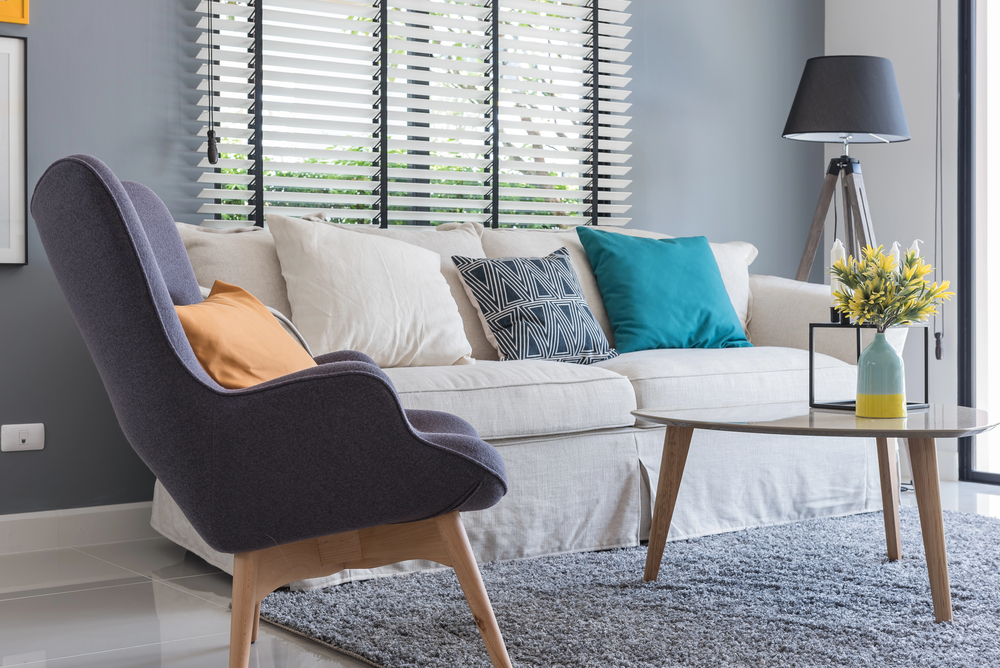
Photo courtesy of depositphotos.com
Color plays a subtle but powerful role in how a home feels. Soft, balanced colors tend to make spaces feel calmer and more inviting. Overly bold or trendy colors may look appealing at first but can feel tiring over time.
Homes that feel right from the beginning often have a coordinated home color palette that uses neutral or warm tones as a base. These colors allow furniture, textures, and personal items to stand out without overwhelming the senses. Accent colors add personality without dominating the space.
The goal is not perfection. It is emotional ease. When colors feel gentle and balanced, the home becomes comfortable faster.
Texture Adds Warmth Without Effort
Texture in a room brings life to a space. Wood finishes, soft fabrics, natural stone and layered materials create depth and warmth. Without variations in texture, homes can feel flat or unfinished, even when fully furnished.
Simple additions such as rugs, curtains, cushions or wood details make spaces feel softer and more human. These elements absorb sound, add comfort and reduce the echo that often makes new houses feel empty.
Texture is especially important in the early days of moving in. It can help bridge the gap between new space and personal comfort.
Personal Touches Make the Difference
A home starts feeling personal when it includes meaningful items. Family photos and artwork—or a gallery wall, books, or souvenirs can instantly shift a space from generic to familiar. These touches don’t need to be expensive or perfectly styled.
Homes that feel welcoming early often display real life, not showroom design. Imperfections add character. Small reminders of memories create emotional connection.
Waiting too long to personalize a space can delay that feeling of home. Adding these elements early can help you settle in faster.
Sound and Quiet Matter More Than Expected
Sound plays a quiet role in comfort. Homes that feel calm often manage noise well. Soft furnishings reduce echo. Thoughtful room placement keeps noise away from resting areas. Outdoor sounds are balanced rather than overwhelming.
A house that feels peaceful supports rest and focus. This sense of calm is one of the strongest indicators that a house has become a home.
Function Builds Trust in the Space
A home feels safe when it works properly. Storage makes sense. Doors open smoothly. Spaces support daily routines without friction. These functional details build trust in the home.
When homeowners trust their space, they relax. They stop adjusting and start living. This shift often marks the moment a house truly feels like home.
Feeling at Home Is About Alignment
At its core, a house feels like home when it aligns with the people living in it. Layout, light, color, comfort and personal details all work together to support daily life. When these elements align, the home feels right from the beginning.
A strong sense of home does not come from size or price. It comes from thoughtful choices that prioritize how people live, rest and connect. When a house supports those needs, it stops feeling new and starts feeling familiar almost immediately.