
If your household runs through coffee quickly and make coffee regularly, whether it’s drip coffee or espresso, you have likely already done the mental math on how much you spend over the course of a year.
For families where two or more adults drink coffee daily, the numbers add up faster than most people expect. Shifting to 5-pound coffee bags is not just a convenience play. It touches on cost, freshness ingredient quality and even environmental impact.
Here is what the research and the math actually show.
What Small Bags Are Actually Costing You
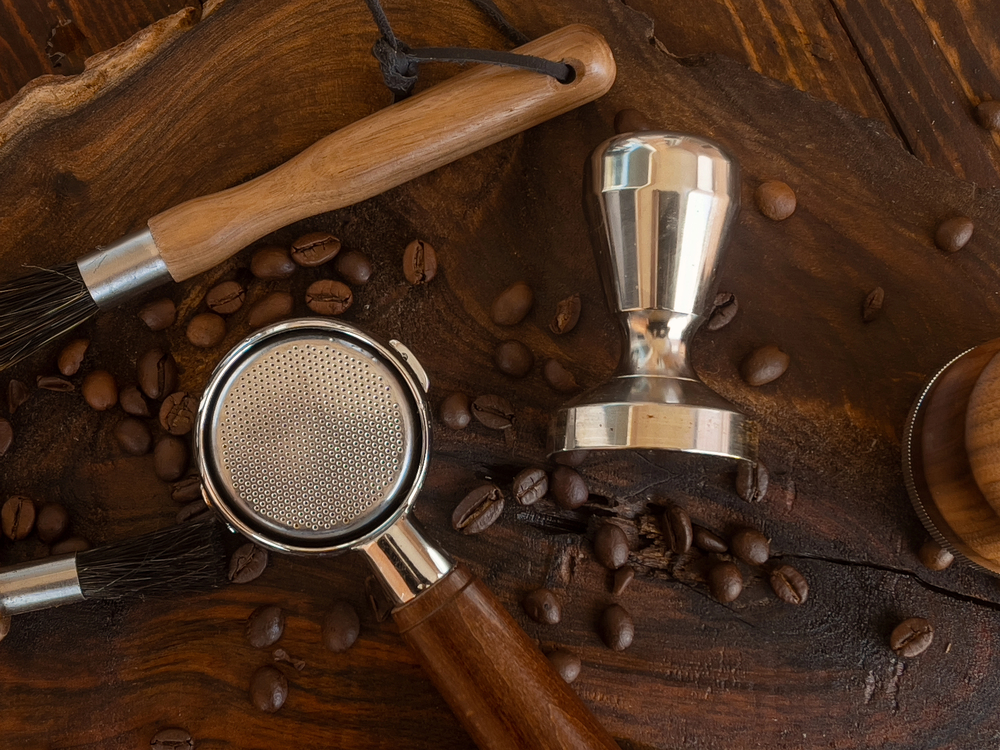
Coffee costs more than most families realize when they add it up over a full year. Around 80% of American coffee drinkers brew at least one cup at home each day, according to a 2024 industry report. For households doing that consistently, the cost per pound of beans becomes one of the most straightforward expenses to manage, especially for families that go through coffee quickly. A typical two-person household drinking coffee daily can go through 50 to 65 pounds of beans over the course of a year.
Buying that volume in small 12-ounce bags means paying a premium on both the per-ounce price and, for families ordering online, on shipping costs. Bulk coffee bags in the 5-pound range typically reduce the per-pound price by 15 to 30 percent, depending on the roaster. The Kitchn has reported that switching to bulk coffee purchases has saved some households hundreds of dollars annually and reduced the number of reorderings.
For families managing many moving parts, that last point matters more than it might seem. Running out of coffee mid-week and needing to make an emergency store run is exactly the kind of small friction that bulk buying eliminates.
Freshness Is Not Sacrificed When You Store Properly
A common hesitation with buying a large volume of coffee at once is the assumption that freshness will suffer. The reality is more nuanced.
Whole bean coffee stored in an airtight container away from light and heat can maintain quality for several weeks. Coffee preservation experts recommend portioning a 5-pound coffee bag into smaller airtight containers and, for longer storage, freezing portions in a freezer in sealed bags.
Freshly roasted coffee also goes through a degassing phase, releasing carbon dioxide in the days after roasting. Specialty roasters who use one-way valve bags account for this, allowing gas to escape without letting oxygen in. For families using a 5-pound bag within three to four weeks, which is entirely realistic at typical household consumption rates, freshness is rarely a concern when beans are stored correctly.
The more important freshness variable for most buyers is actually how long coffee has been sitting in a supply chain before it reaches them. Coffee purchased through national grocery chains can travel through distribution hubs, adding weeks or even months between the roast date and purchase.
Buying directly from a specialty roaster that ships shortly after roasting, even in large quantities, often delivers a fresher product than what sits on retail shelves in smaller bags.
What to Look for in a 5 Pound Coffee Bag
Here are the factors worth evaluating before committing to any bulk coffee purchase:
Roast date transparency. The bag should include a clearly printed roast date, not just a best-by date. A best-by date tells you little about when the coffee was actually roasted.
Third-party testing. Coffee beans can carry mycotoxins, which are compounds produced by molds that can develop during improper storage and transport. A 2024 review published in PubMed found that ochratoxin A was detectable in over 54% of coffee samples tested across global studies, though the review also noted that levels in the vast majority of samples fell well below established safety limits set by regulatory agencies. Roasting also reduces mycotoxin levels significantly. For everyday drinkers who simply want more visibility into what is in their coffee, sourcing from a brand that publishes batch-level testing results offers a straightforward way to verify quality rather than rely on general claims.
Organic certification and farming practices. Certified organic coffee is grown without synthetic pesticides, which matters both for what ends up in your cup and for the health of the farming communities producing it.
Processing method for decaf. If your household includes decaf drinkers, pay attention to how decaffeination is handled. The Swiss Water Process and Mountain Water Process are chemical-free approaches, while solvent-based methods use ethyl acetate or methylene chloride during processing.
The Environmental Argument for Larger Bags

The environmental case for buying coffee in larger quantities is fairly direct. Buying one 5-pound bag instead of five or six smaller bags means fewer bags manufactured, fewer units shipped, and less packaging waste generated per pound of coffee consumed. The logic holds even without a precise lifecycle number: consolidating purchases reduces the total count of bags a household discards over a year.
Coffee bags, particularly the multilayer pouches most commonly used, are notoriously difficult to recycle. Perfect Daily Grind has covered the sustainability challenges of coffee packaging, noting that most standard bags rely on plastic-foil composites that most municipal recycling systems cannot process. Reducing how many of those bags your household goes through per year is a tangible reduction in waste.
For families already making deliberate choices about sustainability, this is one of the lower-effort adjustments available. The coffee gets consumed either way. The only change is how it arrives.
What to Look for in a Health-Focused Bulk Coffee Brand
For buyers who want more than just a lower price per pound, bulk formats are worth thinking about alongside sourcing and testing standards. A few things worth looking for in a health-focused coffee brand:
- Does the brand publish Certificates of Analysis from third-party labs, or just make general “clean coffee” claims?
- Is the sourcing documented beyond an organic certification? Regenerative agriculture practices, for example, go further than conventional organic standards in terms of soil health and biodiversity.
- For decaf options, is the decaffeination method named and verifiable?
- Does the roasting approach account for compound retention, or is it optimized purely for flavor profile?
These are not questions with universally easy answers across the bulk coffee market. But they are worth asking about, particularly for something consumed daily in volume.
Purity Coffee is one brand that treats its bulk format as more than just a larger bag. The company publishes batch-level Certificates of Analysis and uses third-party labs to test for a broad range of compounds, including mycotoxins, heavy metals and pesticide residues. For buyers who want to verify what is in their coffee before purchasing, that kind of documentation is easier to evaluate than general marketing language.
Purity also sources from regenerative agriculture partners and offers 5-pound bags across its lineup, including decaf options processed using the Mountain Water Process. Their roasting approach focuses on preserving certain compounds found in coffee, including chlorogenic acids. Research has associated these compounds with some of coffee’s broader health properties, though roast level and processing both influence what remains in the final cup.
For households that drink enough coffee to justify buying in bulk, the appeal is that you can buy in larger quantities without compromising sourcing transparency or testing standards.
The Bottom Line
For coffee-drinking households, the shift to a 5-pound coffee bag makes sense on multiple levels. The price per bag is lower, the environmental footprint is reduced, and for families consuming coffee at typical rates, freshness is not a meaningful trade-off with proper storage.
The more important variable is which brand you choose to buy in bulk. A large bag of poorly sourced, untested coffee is still a larger version of the same problem. For families who already think carefully about what goes into their daily routines, the combination of bulk format and verifiable sourcing and testing standards is worth seeking out.
It is not a compromise. It is a more efficient version of a habit you are already committed to.
This post contains Amazon affiliate links.
Discover more from momhomeguide.com
Subscribe to get the latest posts sent to your email.
[…] function and cup warmer! It looks so elegant on my counter and allows me to make a fresh cup of coffee or what I usually make, a cafe au lait (or maybe two) […]